You need to travel. Your cat needs insulin every twelve hours, injected after she eats, on a schedule you barely trust yourself to keep.
So the question keeps you up at night: who is going to do that while you're away — and do it safely?
A diabetic cat isn't a "pop a pill in a treat" boarder. Insulin is a subcutaneous injection on a tight clock, the dose depends on whether your cat actually ate, and getting it wrong in either direction has real consequences. Too little, and blood sugar climbs toward a crisis over days. Too much — especially if she skipped breakfast — and she can crash into hypoglycemia within hours.
That sounds frightening. It's also completely manageable. Thousands of New Zealand cats live long, happy, well-regulated lives with diabetes, and plenty of them board successfully every year. You just can't treat it like ordinary boarding.
This guide covers what actually matters: where a diabetic cat can board in NZ, the non-negotiable rules of insulin care, the questions that separate a competent facility from a risky one, and exactly what to pack so nothing goes wrong.
This is general information, not veterinary advice. Feline diabetes is individual to each cat. Always follow the specific insulin type, dose, timing, and feeding instructions your own vet has given you, and talk to them before you board.
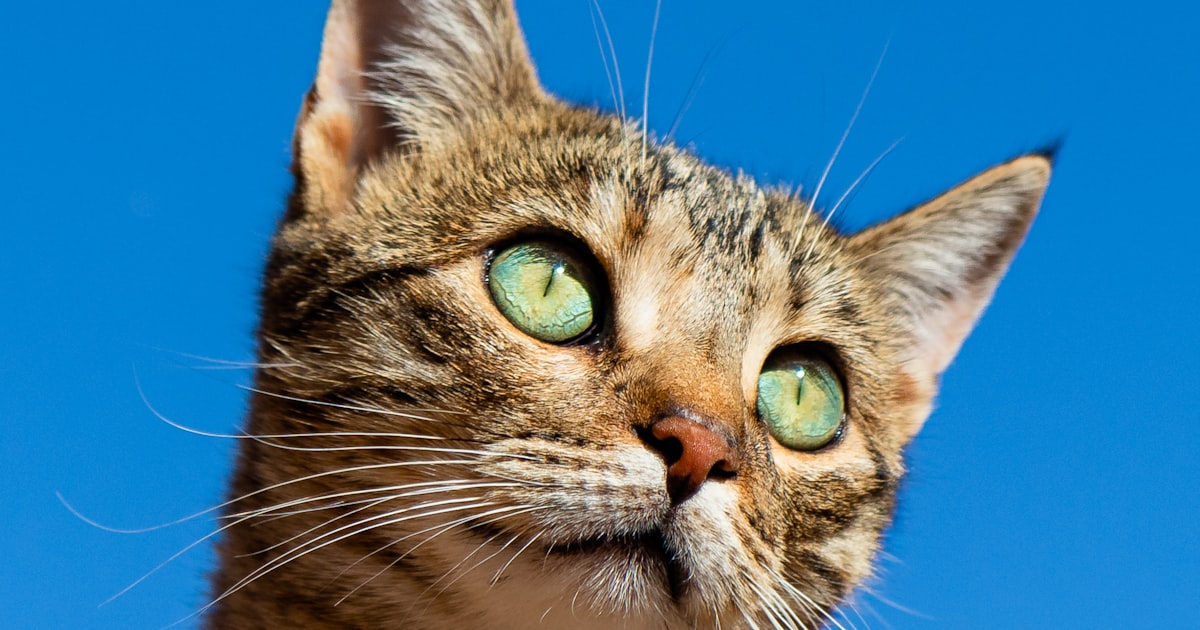 A diabetic cat can board safely in NZ — but only somewhere equipped to inject insulin and recognise trouble
Why a Diabetic Cat Is Harder Than a Cat on Pills
Our guide to boarding cats on medication sorts medications into three complexity levels. A once-daily thyroid pill is simple — almost any cattery can do it. Insulin sits firmly in complex: injections, precise timing, and dose decisions that depend on watching your cat.
Three things make diabetes different from a pill:
- It's a needle, not a tablet. Someone has to draw up the correct dose and inject under the skin twice a day, every day, without fail.
- The dose is conditional. Insulin is only safe to give when your cat has eaten. "Just give 2 units at 8am and 8pm" is not the whole instruction — it's "give 2 units after she's eaten a proper meal."
- The failure modes are fast and serious. A missed pill is usually a minor problem. A double dose of insulin, or a full dose on an empty stomach, can become an emergency the same day.
None of this makes your cat unboardable. It just means the pool of suitable facilities is smaller, and your vetting needs to be sharper.
The Non-Negotiables of Insulin Care
Whoever cares for your diabetic cat — a vet clinic, a cattery with a vet nurse, or a trained sitter — has to honour the same core rules you follow at home. Make sure they understand all four.
1. Roughly 12 hours apart, consistently
Most diabetic cats are on twice-daily insulin spaced about 12 hours apart. Consistency matters more than hitting the minute exactly — but "twice a day, whenever someone's around" is not good enough. The facility needs staff genuinely present at both ends of the day, e.g. 7–8am and 7–8pm, not just "morning and evening shift."
2. Feed first — then inject
Insulin works by moving sugar out of the blood. If there's no food coming in, that's how blood sugar drops too low. The standard routine is: offer the meal, confirm your cat actually eats it, then give the insulin.
3. Never inject a cat that hasn't eaten
This is the single most important rule, and the one a careless facility gets wrong. If your cat refuses her meal, staff must not simply give the usual dose and move on. The correct response is to contact you or your vet — many vets advise giving a reduced dose or skipping that injection rather than risk a hypo on an empty stomach. A facility that doesn't understand this rule is not safe for a diabetic cat. (More on the won't-eat problem below.)
4. When in doubt, less insulin is safer than more
High blood sugar over a day or two is uncomfortable but rarely an emergency. Low blood sugar can be life-threatening within hours. Any competent carer knows that if they're genuinely unsure whether a dose is right, the safer error is to under-dose and call the vet — not to guess high.
Insulin Types Used in NZ (and Why It Matters to the Cattery)
You don't need to lecture a facility on pharmacology, but they do need to handle your insulin correctly. The main ones a NZ vet may prescribe:
- Caninsulin (porcine lente, MSD Animal Health) — the most commonly prescribed insulin for NZ cats and dogs. It's a cloudy suspension.
- ProZinc (protamine zinc insulin) — a longer-acting option some vets use.
- Glargine (Lantus and biosimilars) — a long-acting human insulin used off-label, often in tight-regulation or remission-focused protocols. It's a clear solution.
A few practical points that affect handling:
- Suspensions must be mixed gently, never shaken. Caninsulin and ProZinc need to be gently rolled or inverted until evenly cloudy. Shaking froths the insulin and can damage it, leading to inaccurate doses. Glargine is clear and doesn't need mixing.
- Store it in the fridge (about 2–8°C), never frozen. Don't leave it sitting on a bench in the sun at drop-off. Discard any vial that's discoloured, clumped, or past the opened-vial life your vet specified (vials are typically used for a limited number of weeks once broached).
- The syringe must match the insulin's strength. Caninsulin is U-40 (40 units/mL) and needs U-40 syringes; glargine and human insulins are U-100 and need U-100 syringes or a matched pen. Mixing these up causes a 2.5× dosing error — a genuine danger. Always send the exact syringes your vet supplied, and never let anyone substitute a "close enough" syringe.
- Pens can be safer than vials. Caninsulin's VetPen and the pens used for some human insulins dial in a set dose, which removes the draw-up step where mistakes happen. If your cat is on a pen, bring it, the right pen needles, and spares.
The takeaway: the facility doesn't need to be an endocrinologist, but it must use your insulin, your syringes, and your storage instructions — exactly.
Where Can a Diabetic Cat Actually Board in NZ?
Be realistic: many standard catteries will decline a cat on insulin, and a cattery that says "no injections, sorry" is being responsible, not inadequate. It's operating within its training and liability. Your job is to find the facilities that are equipped. In rough order of medical capability:
Vet-clinic boarding
Boarding at your own vet or another clinic is the gold standard for an insulin-dependent cat. Staff are trained in injections, they can run a blood glucose check if your cat seems off, and a vet is metres away if something goes wrong. The trade-offs are a more clinical, cage-based environment and a higher price (often $40–80+/night versus $25–40 at a standard cattery — see our NZ cat boarding cost breakdown).
Catteries with a vet nurse or genuine injection experience
Some boutique catteries have a registered vet nurse on staff or owners with years of experience managing diabetic boarders. These can offer a calmer, more home-like setting than a clinic while still handling insulin competently. They exist, but you have to ask directly and verify — don't assume.
Specialised medical or in-home options
A professional in-home sitter (ideally a vet nurse) who visits twice daily keeps your cat in her own environment, which also helps keep stress — and therefore blood sugar — stable. The trade-off is cost and the fact that you're relying entirely on one person's competence with no on-site backup. Weigh it up using our cattery vs pet sitter comparison.
For the wider picture on medically complex boarders, see our medical-needs cat boarding guide.
The Questions That Reveal a Competent Facility
When you call, state it plainly and don't apologise: "My cat is diabetic. She needs insulin injections twice daily, about 12 hours apart, after she's eaten. Is that something you can safely manage?"
Then probe how they answer. You're listening for specifics, not just "yes."
"Who exactly will give the injections, and what's their training?"
- Green: a named vet nurse, vet, or experienced staff member rostered across both dosing times.
- Red: "Oh, whoever's on" or "we learned off YouTube."
"What do you do if she doesn't eat her meal?"
- Green: "We wouldn't give the full dose — we'd contact you or your vet first." This is the answer that matters most.
- Red: "We'd just give the insulin anyway" or a blank pause. End the call.
"How do you monitor a diabetic cat between injections?"
- Green: watching appetite, energy, litter-tray output and behaviour; knowing the signs of a low; ability to do a glucose check or get one done.
- Red: "We just give the injection and that's it."
"What's your plan if she shows signs of a hypo?"
- Green: a clear protocol — glucose on the gums, straight to a vet, and a call to you.
- Red: no real answer.
"Is there a vet on call, and which clinic?"
- Green: a named clinic and an after-hours plan.
- Red: "We'd ring around if we had to."
A facility that asks you detailed questions back — about her dose, her insulin type, her usual appetite, what her normal looks like — is showing exactly the competence you want.
 The right facility asks you as many questions as you ask them
The Biggest Risk: A Cat That Won't Eat
Cats often eat less in a strange environment for the first day or two — and for a diabetic cat, a skipped meal isn't just a welfare worry, it directly changes whether insulin is safe to give. This is why the "won't eat" problem is the number-one diabetic boarding risk.
A good facility has a plan for it:
- They know to withhold or reduce the dose rather than inject a cat that hasn't eaten, per your vet's written instructions.
- They bring out the food your cat actually eats — so send her exact diet, including the low-carb prescription food many diabetic cats are on. Don't make her adjust to new food and a new place at the same time.
- They tempt appetite with warmed food or favourites, and they escalate by calling you and the vet if she's still not eating.
Write the won't-eat protocol into your instructions explicitly. Our guide on what to do when a cat won't eat at a cattery covers the appetite side in depth — for a diabetic cat, pair it with a clear "if she doesn't eat, then…" insulin rule from your vet.
Hypoglycemia: The Emergency Everyone Must Recognise
Hypoglycemia — blood sugar dropping too low — is the acute danger with insulin, and both you and the facility need to know the signs and the response cold.
Warning signs:
- Unusual lethargy, weakness or wobbliness
- Disorientation, glassy or vacant staring
- Sudden ravenous hunger, restlessness or trembling
- Twitching, collapse, seizures, or unresponsiveness (severe)
Emergency response:
- Rub honey, glucose syrup or maple syrup onto the gums (not down the throat if she can't swallow safely).
- Get to a vet immediately — this is an emergency, not a wait-and-see.
- Have someone call you.
Make sure your boarding instructions spell this out and that there's a tube of glucose syrup or honey with your cat's kit. Recognising a hypo and acting in the first minutes is exactly the competence you're paying a medical-grade facility for.
(The opposite problem — vomiting, refusing food, and lethargy from blood sugar running too high, which can tip into diabetic ketoacidosis — is also a vet emergency. Either direction means: call the vet. If your cat does become unwell during a stay, our guide on what happens when a cat gets sick at a cattery explains the process.)
Glucose Monitoring During a Stay
How closely your cat's glucose is watched while boarding depends on how stable she is and where she stays:
- Stable, well-regulated cats often just need their insulin given correctly and their appetite, energy and litter output watched. Many short stays need no in-stay testing if your vet agrees.
- Newly diagnosed or unstable cats may need spot blood glucose checks or a glucose curve — realistically only a vet clinic can do this reliably.
- Continuous glucose monitors (like the FreeStyle Libre sensor, increasingly used in NZ feline diabetes) let staff or your vet read glucose with a scan, no needle stick. If your cat wears one, tell the facility how to read it and what numbers should trigger a call.
One important caveat: stress raises blood glucose. A cat that's anxious in a new place can read higher than her true baseline — which is exactly why nobody should be ratcheting up her insulin dose based on a single stressed reading in a strange cattery. Dose changes are your vet's call, not the facility's.
What to Pack and Document for a Diabetic Boarder
Set the facility up to succeed. Bring:
The insulin kit
- Enough insulin for the whole stay plus a few days' buffer, in a labelled cooler bag for transport
- The correct syringes or pen + pen needles (U-40 vs U-100 — matched to your insulin), with spares
- A sharps container for safe needle disposal
- Glucose syrup or honey for a hypo emergency
- Her glucose meter or Libre reader, if you monitor at home
Her food
- The exact prescription/low-carb diet she eats, measured per meal, enough for the full stay
- Any treats or warmed-food tricks that get a fussy diabetic eating
The paperwork — typed and unambiguous
- Insulin name, exact dose and units, and timing ("2 units after breakfast ~7:30am and after dinner ~7:30pm")
- The "if she doesn't eat" rule, in your vet's words
- Hypo signs and the emergency response
- Your vet's name, clinic and after-hours number, plus your own contacts
- A signed consent/authority to treat if the facility uses one
A trial day or overnight before a longer booking is well worth it for a diabetic cat — it lets staff practise the routine and lets you confirm they've got it. See trial cattery visits.
Keeping Stress (and Blood Sugar) Down
Because stress pushes blood glucose up and can dent appetite, a calmer stay is a more stable stay. That makes the usual stress-reduction advice doubly important for a diabetic cat: a quiet, cat-only space, familiar bedding and smells from home, her own food, and a consistent daily routine. Our explainer on how cats respond to boarding stress is worth a read before you book — and it's a good reason to favour a calm, well-run facility over the cheapest option.
FAQ
Will a normal cattery board my diabetic cat?
Some will, many won't — and the ones that decline injections are being responsible. Prioritise vet-clinic boarding or a cattery with a vet nurse or proven diabetic experience, and always confirm exactly who gives the injection and what they do if your cat won't eat.
How much does it cost to board a diabetic cat in NZ?
Expect a premium over standard boarding. Vet-clinic boarding often runs $40–80+/night versus $25–40 at a standard cattery, and some facilities add a daily medication or injection fee. See our NZ cost breakdown and ask about all fees upfront.
What happens if my cat won't eat at the cattery?
A competent facility will not give the full insulin dose to a cat that hasn't eaten — they'll follow your vet's "reduced dose or skip" instruction and call you. This is the most important thing to confirm before you book. Write the rule into your instructions explicitly.
Can cattery staff adjust my cat's insulin dose?
No. Dose changes are a veterinary decision. Staff should give the dose you and your vet have set, and call the vet if something looks wrong — not adjust the units themselves based on a single reading, especially since stress can falsely raise glucose.
Do I bring my own insulin and syringes?
Yes — always. Bring enough insulin for the whole stay plus a buffer, the exact syringes or pen your vet supplied (U-40 and U-100 are not interchangeable), a sharps container, and glucose syrup for emergencies. Keep insulin refrigerated and never frozen.
My cat wears a FreeStyle Libre sensor — can the facility use it?
Often yes, if you show them how to scan and read it and tell them which numbers should trigger a call to you or the vet. It lets them check glucose without a needle stick. Confirm they're comfortable with it before booking.
Is boarding too risky for a diabetic cat — should I use an in-home sitter instead?
Both can work. An in-home sitter (ideally a vet nurse) keeps your cat in a familiar, lower-stress environment but relies on one person with no on-site backup. Vet-clinic boarding has medical support on hand but is more clinical. Choose based on your cat's stability and temperament — our cattery vs pet sitter guide compares the trade-offs.
How far ahead should I book?
Earlier than you would for a healthy cat. Suitable facilities are fewer, vet-clinic boarding fills up around holidays, and you want time for a trial visit so staff can practise the routine before a longer stay.
Summary: Yes, Your Diabetic Cat Can Board
✅ Insulin is "complex" boarding — injections, strict timing, and dose decisions that depend on whether your cat ate.
✅ The golden rule: feed first, confirm she ate, then inject — and never give a full dose to a cat that hasn't eaten.
✅ Where to board: vet-clinic boarding first, then catteries with a vet nurse or real diabetic experience, or a trained in-home sitter. A standard cattery declining is responsible, not inadequate.
✅ Vet the facility by how they answer — who injects, what they do if she won't eat, how they handle a hypo, and whether there's a vet on call.
✅ Pack the full kit: enough insulin plus buffer, the matching syringes (U-40 vs U-100), a sharps container, glucose syrup, her exact diet, and crystal-clear written instructions.
✅ Know the hypo signs and response cold: lethargy, wobbliness, trembling or seizures → glucose on the gums and straight to a vet.
✅ Keep stress low — it steadies both appetite and blood sugar, and dose changes are always your vet's call, not the cattery's.
A diabetic cat needs a more careful search and a more capable facility. But with the right place and a clear plan, you can travel knowing she's in safe hands.
Looking for boarding that can handle a diabetic cat? Search the PawSpot cattery directory and call to ask exactly who gives injections and what they do if your cat won't eat.