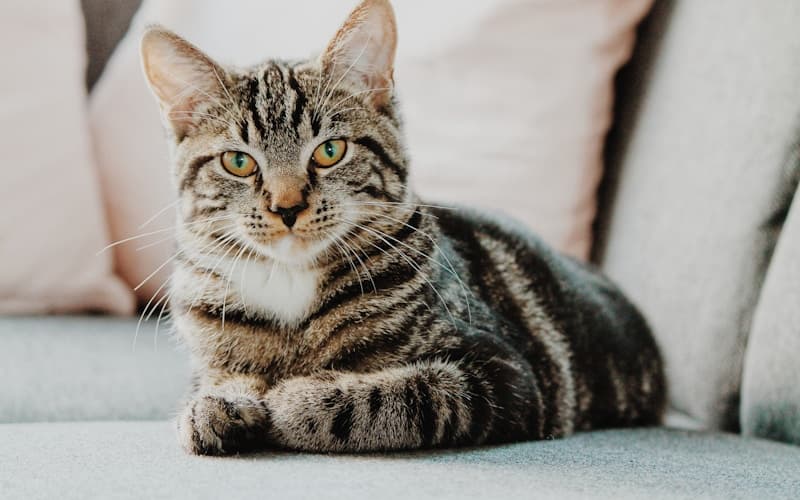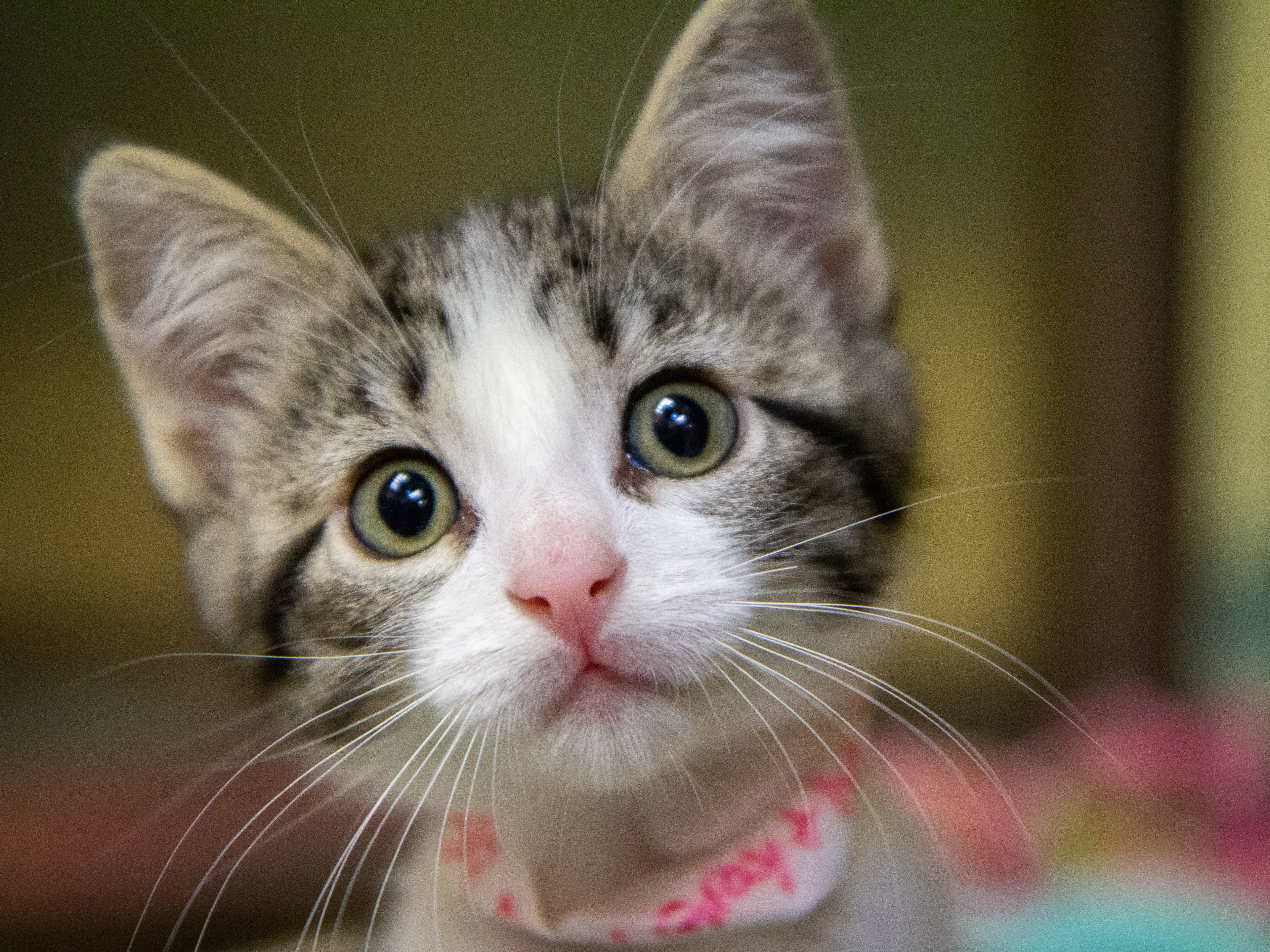
You've just adopted an adorable 10-week-old kitten. Life is perfect—until you remember the family wedding you committed to six months ago. It's interstate. Three days away. And suddenly you're Googling "can kittens board at catteries?"
Here's the uncomfortable answer: Most New Zealand catteries won't accept kittens under 4 months old. And even at 4 months, your kitten needs to meet specific vaccination requirements—typically at least 2-3 doses of the FVRCP vaccine, with the final dose given at least 2 weeks before boarding.
This matters because kittens have immature immune systems that make them especially vulnerable to infectious diseases. Research shows that 55% of kittens aged 1-4 months suffer from infectious diseases, with parvovirus, herpesvirus, and calicivirus being the most common culprits. Boarding environments—even clean, well-run ones—expose kittens to stress and potential pathogens their developing immune systems aren't ready to handle.
But here's the good news: if you understand the timeline, plan ahead, and know what kitten-friendly catteries offer, you can safely board your kitten once they're old enough. And if your kitten is too young? There are proven alternatives that keep them safe while you're away.
This guide covers minimum age requirements across NZ catteries, vaccination timelines, why young kittens can't board safely, alternatives for kittens under 4 months, how to prepare your kitten for their first stay, and red flags to avoid.
Why Most NZ Catteries Require Kittens to Be at Least 4 Months Old
The 4-month minimum isn't arbitrary—it's based on immune system development, vaccination schedules, and behavioral maturity.
1. The "Immunity Gap" (4-12 Weeks)
Kittens are born with some immune protection from their mother's milk (maternal antibodies), but this protection fades between 4 and 12 weeks of age. During this window, maternal antibodies are no longer providing enough protection, but the kitten's own immune system is not yet fully mature, leaving them especially vulnerable to infections.
By 4 months (16 weeks), kittens have typically completed their core vaccination series and their immune systems have matured enough to produce their own antibodies effectively.
2. Vaccination Timeline Constraints
Most New Zealand catteries require proof of vaccination against:
- Feline Parvovirus (Panleukopenia)
- Feline Herpesvirus
- Feline Calicivirus
These are combined in the F3 vaccine (similar to FVRCP internationally).
Standard NZ Vaccination Schedule:
- First F3 vaccine: 6-8 weeks of age
- Second F3 booster: 10-12 weeks of age (4 weeks after first dose)
- Final F3 booster: 14-16 weeks of age (minimum 16 weeks old)
Vaccinations must be completed at a minimum age of 16 weeks because prior to this age, maternal antibodies can interfere with vaccine effectiveness.
Then add the cattery requirement: Most facilities require vaccinations to be given at least 2 weeks before boarding to ensure the kitten's immune system has time to respond.
The math: If your kitten gets their final booster at 16 weeks, they can't board until 18 weeks (approximately 4.5 months). If the final booster is delayed to 18 weeks, you're looking at 20 weeks (nearly 5 months) before boarding is safe.
3. Stress and Developmental Vulnerability
Kittens experience a critical socialization period between 2-9 weeks of age, with a secondary window from 9-16 weeks. During this time, they're learning how to interact with people, other animals, and new environments.
Boarding during these sensitive periods can be particularly stressful. Cats can experience illness flare-ups during times of stress, and for kittens with developing immune systems, stress-induced illness is a real risk.
Additionally, a single scary exposure during the critical period can cause long-lasting trauma. A negative boarding experience at 8-12 weeks could create lifelong anxiety around travel and new environments.
4. Physical Size and Safety
Kittens under 3 kg are more active and playful than adults and require more space and enrichment. Standard cattery enclosures designed for adult cats may not be appropriate for tiny, energetic kittens who could squeeze through gaps, climb dangerous heights, or injure themselves on fixtures designed for larger cats.
New Zealand Cattery Age & Vaccination Requirements (2026)
Here's what major NZ catteries actually require:
Typical Requirements Across NZ Catteries:
Minimum Age:
- 4 months (16 weeks) is the standard minimum age
- Some catteries may accept slightly younger kittens (3.5 months) on a case-by-case basis if fully vaccinated
Vaccination Requirements:
- At least 2 F3 vaccinations (some require all 3 boosters)
- Final vaccination at least 2 weeks prior to boarding
- Proof of vaccination from your veterinarian (official vaccination certificate)
Desexing Requirements:
- Cats over 6 months must be desexed (neutered/spayed)
- Some catteries require desexing at 8 months for males
Specific Examples:
General Requirements (Based on Industry Standards):
- Kittens must be at least 4 months old with a full series of vaccines to board
- Cats 4 months of age and over must be up to date on core vaccinations
- All three initial F3 boosters must be completed prior to cattery stay
Club Meow (Auckland): According to their website, Club Meow caters to cats of all ages from kittens through to older cats, and bringing your kitten in helps them get used to a boarding cattery. However, they still require minimum vaccination standards.
What Happens If Your Kitten Hasn't Completed Vaccinations?
Catteries that are licensed under the Animal Welfare Act are legally required to ensure all boarded cats have current core vaccinations. This isn't negotiable. If your kitten's vaccination record doesn't meet requirements, reputable catteries will turn you away.
Red flag: Any cattery willing to accept an unvaccinated or under-vaccinated kitten is either unlicensed or not following animal welfare regulations. Avoid these facilities entirely—they put your kitten (and other cats) at risk.
The Vaccination Timeline: When Can Your Kitten Actually Board?
Let's walk through the exact timeline from adoption to first boarding eligibility.
Scenario 1: You Adopt a Kitten at 8 Weeks Old
| Kitten Age | Vaccination | Boarding Eligibility |
|---|---|---|
| 8 weeks | First F3 vaccine | ❌ Not eligible |
| 12 weeks | Second F3 booster | ❌ Not eligible |
| 16 weeks | Final F3 booster | ❌ Not eligible (must wait 2 weeks) |
| 18 weeks (4.5 months) | 2 weeks post-final vaccine | ✅ Eligible for boarding |
Earliest boarding date: Approximately 4.5 months old (18 weeks)
Scenario 2: You Adopt a Kitten at 12 Weeks Old (Already Has First Vaccine)
| Kitten Age | Vaccination | Boarding Eligibility |
|---|---|---|
| 12 weeks (adoption) | First F3 already done | ❌ Not eligible |
| 16 weeks | Second F3 booster | ❌ Not eligible |
| 20 weeks | Final F3 booster (if vet recommends 3 doses) | ❌ Not eligible (must wait 2 weeks) |
| 22 weeks (5 months) | 2 weeks post-final vaccine | ✅ Eligible for boarding |
Earliest boarding date: Approximately 5 months old (22 weeks)
Scenario 3: Your Kitten's Vaccinations Are Delayed
If your kitten misses a booster or the vaccination schedule is delayed:
- If the vaccine is overdue and needs boosting, it must occur at least 7 days prior to check-in
- Some vets may recommend restarting the series if too much time has passed
- This can push boarding eligibility back significantly
Takeaway: If you have upcoming travel planned, discuss the vaccination timeline with your vet early. Ask specifically: "When will my kitten be eligible for cattery boarding based on their vaccination schedule?"
Why Kittens Under 4 Months Can't Safely Board (Even if You Really, Really Need Them To)
You might be tempted to find a cattery that will "make an exception." Don't.
The Risks Are Real:
1. Infectious Disease Exposure
Analysis shows that 55% of kittens aged 1-4 months suffered from infectious diseases, with parvovirus (panleukopenia), herpesvirus, and calicivirus being the most common. These are the exact diseases the F3 vaccine protects against—and they're highly contagious in boarding environments.
Even in clean, well-run catteries, viral particles can persist on surfaces. A kitten with an immature immune system and incomplete vaccinations has little defense.
Panleukopenia (feline parvovirus) is particularly deadly in young kittens, with mortality rates up to 90% in unvaccinated kittens under 8 weeks.
2. Stress-Induced Illness
Cats can experience illness flare-ups during times of stress, such as when boarding. For kittens, stress weakens an already-developing immune system, making them more susceptible to respiratory infections, diarrhea, and other stress-related conditions.
3. Behavioral Trauma
The critical socialization period wanes at about 9 weeks of age, with a secondary window lasting until 14-16 weeks. A negative experience during this time—such as being separated from their home, stressed in a new environment, or not receiving adequate socialization—can have lasting behavioral impacts.
A single scary exposure can cause long-lasting trauma, and forcing a kitten to interact in an overwhelming environment can cause them to become sensitized or more fearful of new situations.
4. Inadequate Care for Developmental Needs
Kittens under 3 kg are more active and playful than adults and require more space and enrichment. Standard cattery enclosures may not provide enough stimulation, leading to boredom, destructive behavior, or developmental delays.
Additionally, kittens younger than 4 months shouldn't be left on their own for more than 4 hours. Most catteries check on cats 2-3 times per day, which isn't sufficient for very young kittens who need frequent feeding, litter box cleaning, and social interaction.
Alternatives for Kittens Under 4 Months: What to Do When Boarding Isn't Safe
If your kitten is too young to board, here are proven alternatives:
1. Professional In-Home Pet Sitter (Best Option)
A qualified pet sitter comes to your home multiple times per day to feed, play with, and care for your kitten in their familiar environment.
Why it works for young kittens:
- No exposure to other cats or unfamiliar environments
- Maintains routine and reduces stress
- Sitter can monitor health closely and contact vet if needed
- Kitten stays in their "safe zone" during critical developmental period
Where to find sitters in NZ:
- Pawshake – offers cat sitting for kittens with personalized in-home care as a safer alternative to commercial catteries
- Kiwi House Sitters – experienced sitters with kittens and cats of all ages
- PetBacker – cage-free home environment with payment protection and insurance
- TrustedHousesitters – verified sitters who care for your pets and home in exchange for accommodation
- Creature Comforts (Wellington) – professional in-home pet sitting service
Cost: $15-40 per visit (2-3 visits per day recommended for kittens)
What to look for:
- Experience with kittens specifically (not just adult cats)
- Willingness to send daily photo/video updates
- Knowledge of kitten behavior and health red flags
- References from other kitten owners
2. Trusted Friend or Family Member
If you have someone who loves animals and can commit to checking on your kitten multiple times daily, this can work well.
Important: Make sure they:
- Understand kitten feeding schedules (kittens under 12 weeks often need 3-4 meals per day)
- Know how to recognize signs of illness (lethargy, loss of appetite, diarrhea, vomiting)
- Have your vet's contact information and authorization to seek care if needed
- Spend quality time playing and socializing with the kitten (not just feeding and leaving)
3. Board Your Kitten with Your Regular Vet
Some veterinary clinics offer boarding for kittens who are too young for standard catteries.
Advantages:
- Veterinary supervision on-site
- Can handle medical emergencies immediately
- Staff trained in kitten care and development
- May accept kittens as young as 8-10 weeks if partially vaccinated
Disadvantages:
- More expensive than standard boarding ($35-50/night)
- May be kept in clinical cages rather than enriched cattery environments
- Limited socialization and play time compared to home care
NZ Examples:
- Many veterinary clinics in Auckland, Wellington, and Christchurch offer kitten boarding alongside their medical boarding services
- Contact your regular vet to ask if they offer boarding for kittens under 4 months
4. Delay Your Travel (If Possible)
If your trip isn't time-sensitive, consider postponing until your kitten is old enough to board safely. Waiting an extra 4-8 weeks can make a significant difference in their immune maturity and vaccination status.
When this makes sense:
- Discretionary travel (vacations that can be rescheduled)
- Work trips that can be moved or delegated
- Events where your attendance isn't critical
When it doesn't:
- Medical emergencies requiring travel
- Non-negotiable family events (weddings, funerals)
- Work obligations that can't be avoided
5. Take Your Kitten With You (Very Rare)
In limited circumstances, you might be able to bring your kitten along.
This only works if:
- You're driving (not flying—most airlines require kittens to be at least 8-12 weeks and fully vaccinated)
- Your accommodation is pet-friendly
- You can supervise your kitten constantly (no leaving them alone in a hotel room)
- The trip is short (1-3 days maximum)
Not recommended for:
- Long-distance travel
- Trips involving multiple stops or long days out
- Kittens under 12 weeks (too young for the stress of travel)
Preparing Your Kitten for Their First Cattery Stay (4+ Months)
Once your kitten is old enough and fully vaccinated, preparation is key to a positive first boarding experience.
1. Book a Trial Visit First
Many NZ catteries offer trial visits or short trial stays for first-time guests. This allows your kitten to experience the facility for a few hours or one night before a longer stay.
Why trial visits work:
- Reduces anxiety by making the cattery familiar before a long absence
- Lets you assess how your kitten handles separation
- Gives staff a chance to observe your kitten's behavior and needs
- Identifies any issues (won't eat, excessive stress) before you're away for a week
How to arrange:
- Call the cattery and ask: "Do you offer trial visits for first-time kittens?"
- Book a single-night stay or 4-hour "day stay" a few weeks before your actual trip
- Bring comfort items (see below) to help them settle
NZ catteries that encourage trials:
- Auckland Kennels and Cattery encourages first-time cats to come for a trial visit
- Waikato Boarding Kennels and Cattery offers viewings alongside trial visits
2. Pack Comfort Items
Bring items from home that smell like you and your kitten's familiar environment:
Essential items:
- Favorite blanket or bedding
- A worn t-shirt or pillowcase with your scent
- Favorite toys (not new ones—familiar is better)
- Current food (sudden diet changes cause stomach upset)
Optional items:
- Feliway spray (calming pheromone) for their enclosure
- Treats they love (for positive reinforcement)
- A piece of your clothing
Note: Bringing familiar items from home helps cats settle more easily, and for longer stays, rotating a small number of personal items often improves comfort and reduces stress.
3. Maintain Feeding Schedules
Provide the cattery with detailed feeding instructions:
- Exact food brand and type (bring your own to avoid digestive issues)
- Portion sizes
- Feeding times (match their home schedule as closely as possible)
- Any food preferences or aversions
Why this matters: Kittens are creatures of habit. Sudden changes to diet or schedule can cause stress, leading to loss of appetite or digestive upset.
4. Provide Medical and Behavioral Information
Create a written document that includes:
- Vaccination records (cattery will require this)
- Your vet's contact information
- Emergency contact numbers (yours, a local friend/family member)
- Any medications or supplements
- Behavioral quirks ("hides when scared," "loves to be held," "plays rough")
- Warning signs of stress for your specific kitten
授权 emergency treatment: Specify in writing whether the cattery has permission to seek veterinary care if you're unreachable, and set a budget limit if applicable.
5. Visit the Cattery Beforehand
What to look for during your visit:
- Cleanliness (no strong odors, well-maintained enclosures)
- Calm, quiet environment (not chaotic or loud)
- Adequate space for play and exercise
- Staff who are knowledgeable and attentive
- Other cats who appear comfortable and healthy
Questions to ask:
- "How often are kittens checked throughout the day?"
- "Do you have special protocols for first-time boarders?"
- "What do you do if a kitten won't eat or seems stressed?"
- "Can I receive updates/photos during the stay?"
What Kitten-Friendly Catteries in NZ Offer
Not all catteries are equipped for kittens. Here's what kitten-friendly facilities provide:
1. Extra Supervision and Monitoring
Kittens require more frequent checks than adult cats. Quality catteries will:
- Check on kittens multiple times throughout the day (not just at feeding times)
- Monitor eating, drinking, litter box use, and activity levels
- Watch for signs of stress, illness, or injury
- Provide extra attention to help kittens settle
2. Age-Appropriate Enrichment
Kittens under 3 kg are more active and playful than adults and require more enrichment. Kitten-friendly catteries offer:
- Toys and climbing structures
- Scratching posts
- Interactive play sessions
- Larger enclosures or access to play areas
Some catteries rotate cats through playtime: Each cat individually rotates through playtime in the boarding room or playroom to stretch their legs after breakfast.
3. Quiet, Low-Stress Environments
Kittens are more sensitive to stress than adult cats. Look for:
- Separate areas for anxious or young cats (away from high-traffic zones)
- Calming protocols (Feliway diffusers, soft music, dim lighting)
- Staff trained in recognizing and managing feline stress
4. Veterinary Access
Veterinarians should supervise the boarding experience to ensure the best possible care, especially for kittens.
Look for:
- Vet-led catteries (attached to veterinary clinics)
- On-call vet access if issues arise
- Staff trained to recognize health problems early
5. Communication and Updates
Good catteries will:
- Send daily or every-other-day updates on how your kitten is settling
- Provide photos or videos (if requested)
- Contact you immediately if there are any concerns
- Welcome check-in calls from anxious owners
Costs: Kitten Boarding in New Zealand (2026)
Kitten boarding costs are generally the same as adult cat boarding, though some facilities charge slightly more for extra supervision.
Standard Pricing:
Budget catteries: $14-18 per night Mid-range catteries: $18-26 per night Premium/boutique catteries: $28-35 per night (peak season rates can reach $40+)
Examples:
- The Purrfect Cattery: One cat $20/day (2026 rate increase)
- All Seasons Pet Resort (Auckland): $28/day during peak season (Dec 12 - Feb 8, 2026)
Additional Costs:
- Trial visit/day stay: $10-20 for a few hours; $20-25 for a single night
- Premium suites: Add $5-15/night for larger enclosures
- Multiple kittens sharing: Often discounted (e.g., $36 for two cats vs. $40 for two separate enclosures)
- Medications (if needed): $3-5/day per medication
In-Home Pet Sitting (Alternative):
- Per visit: $15-40 (2-3 visits/day recommended for kittens)
- Total for a week (2 visits/day): $210-560
Financial comparison for 7-night trip:
- Cattery boarding: $140-280
- In-home pet sitter (2 visits/day): $210-560
For kittens, the extra cost of in-home sitting may be worth it for reduced stress and one-on-one attention.
Red Flags: Catteries to Avoid for Kittens
Watch out for these warning signs:
❌ Accepts kittens under 4 months without full vaccinations – Unlicensed or unsafe ❌ Can't provide proof of licensing – Required under Animal Welfare Act ❌ Won't allow pre-boarding visits – Reputable catteries welcome inspections ❌ Dismissive about stress or behavior concerns – "All kittens cry at first, they'll get over it" ❌ Dirty or smelly facilities – Indicates poor hygiene and disease risk ❌ No vet access or emergency protocols – Dangerous if your kitten becomes ill ❌ Unwilling to provide references – Established catteries have happy repeat clients ❌ Overcrowded or chaotic environment – High stress for sensitive kittens ❌ Staff seem inexperienced with kittens – Can't answer basic questions about kitten care
Trust your instincts: If something feels off during your visit or conversation, choose a different facility.
Frequently Asked Questions
Can I board my 3-month-old kitten if they've had two vaccinations?
No. Most NZ catteries require kittens to be at least 4 months old (16 weeks) with a full vaccination series completed at least 2 weeks before boarding. Even with two vaccines, a 3-month-old kitten doesn't have full immune protection and is at high risk for infectious diseases in a boarding environment. Consider in-home pet sitting or boarding with your vet if your kitten is too young for a standard cattery.
What if my kitten has only had one F3 vaccine?
Kittens with incomplete vaccination series cannot board at licensed NZ catteries. The F3 vaccine requires at least 2-3 doses given 3-4 weeks apart, with the final dose at minimum 16 weeks of age, followed by a 2-week waiting period. If your travel is urgent and your kitten is under-vaccinated, use a professional in-home pet sitter or ask your vet about boarding at their clinic.
How long can kittens be left alone instead of boarding?
Kittens younger than 4 months shouldn't be left alone for more than 4 hours. Even older kittens (4-6 months) shouldn't be alone for more than 8 hours without supervision. If you're away for a full day or overnight, arrange for a pet sitter to check on your kitten at least 2-3 times per day. Leaving a young kitten alone for extended periods risks accidents, illness going unnoticed, or behavioral problems from isolation.
Will boarding traumatize my kitten?
Not if done correctly. Kittens experience a critical socialization period from 2-9 weeks, with a secondary window from 9-16 weeks. Boarding during these sensitive periods (under 4 months) carries higher risk of stress-induced trauma. However, kittens 4+ months old with proper preparation (trial visits, comfort items, familiar routines) typically adapt well to short boarding stays. A single scary exposure can cause lasting trauma, which is why choosing a calm, kitten-friendly cattery and doing a trial visit is critical.
Do I need to desex my kitten before boarding?
Not if they're under 6 months. Most NZ catteries require desexing (neutering/spaying) for cats over 6 months of age, with some requiring it at 8 months for males. If your kitten is 4-5 months old, they can board before being desexed. However, if they're approaching 6 months, check the cattery's specific policy and consider scheduling desexing before your trip.
Can I board two kittens together in the same enclosure?
Yes, and it's often recommended. Bonded kittens boarding together typically experience less stress than being separated. Many catteries offer discounts for multiple cats sharing an enclosure—for example, The Purrfect Cattery charges $36/day for two cats sharing vs. $40 for two separate runs. Ensure both kittens meet age and vaccination requirements and inform the cattery that they're bonded and should stay together.
What if my kitten won't eat at the cattery?
Appetite loss in the first 24 hours is common due to stress, but it shouldn't persist. Kitten-friendly catteries will:
- Offer highly palatable foods or treats to encourage eating
- Warm food to enhance smell and appeal
- Hand-feed if necessary
- Contact you if appetite doesn't return within 24-48 hours
Provide a list of your kitten's favorite foods and treats when dropping off. If your kitten has a history of stress-related appetite loss, mention this upfront and ask about their protocols for encouraging eating.
Should I book a trial visit before the first long stay?
Absolutely. Trial visits help kittens (and owners) get used to the boarding process without the pressure of a long absence. Book a single-night stay or 4-hour day visit a few weeks before your actual trip. This allows your kitten to familiarize themselves with the environment, smells, and staff, reducing anxiety during the longer stay. Many NZ catteries encourage trial visits for first-time boarders.
Can catteries handle shy or anxious kittens?
Yes, reputable catteries have protocols for anxious cats. Look for facilities that:
- Provide quiet, secluded areas away from high-traffic zones
- Use calming aids like Feliway pheromone diffusers
- Give extra one-on-one attention to help timid kittens settle
- Allow comfort items from home (blankets, toys with your scent)
Catteries give individual attention daily, with extra time given to timid, nervous cats to settle them in. Discuss your kitten's temperament during booking so staff can prepare appropriate care strategies.
The Bottom Line: Timing is Everything
Here's the reality: if your kitten is under 4 months old, standard cattery boarding isn't safe or even possible. The combination of incomplete vaccinations, immature immune systems, and developmental vulnerability makes it too risky.
But once your kitten reaches 4+ months and has completed their F3 vaccination series (plus the 2-week waiting period), boarding at a kitten-friendly cattery is a viable option—especially if you:
- Book a trial visit first to familiarize your kitten with the environment
- Choose a reputable, clean facility with kitten experience and vet access
- Pack comfort items from home (familiar blankets, toys, your scent)
- Provide detailed care instructions about feeding, behavior, and health
For kittens too young to board, professional in-home pet sitters offer the safest alternative. They provide personalized care in your kitten's familiar environment, eliminating stress and disease exposure while ensuring your kitten's developmental and social needs are met.
The key is planning ahead. If you have travel on the horizon, talk to your vet early about the vaccination timeline and discuss whether your kitten will be old enough to board safely. If not, start researching pet sitters or alternative care options well in advance.
Your kitten's health, safety, and emotional well-being during this critical developmental stage are worth the extra planning—and sometimes, the extra cost. Whether that means waiting until they're old enough to board, paying for in-home care, or adjusting your travel plans, the goal is the same: ensuring your kitten comes home happy, healthy, and ready to continue growing into a confident, well-adjusted cat.
Sources:
- Kitten Vaccination Schedule - VitaPet NZ
- Feline Immune System - PMC
- Immune system development in the dog and cat - PubMed
- The Sensitive Period for Socialization in Puppies and Kittens
- Socialization and Fear Prevention in Kittens - VCA Animal Hospitals
- How is a kitten's immunity different from an adult cat? - Royal Canin NZ
- Immune System Responses in Cats - Merck Veterinary Manual
- Recommendations for the Housing of Cats - PMC
- Cat Boarding Requirements - Canine Country Club & Feline Inn
- Vaccinations Your Pet Needs to Stay at a Boarding Kennel or Cattery
- How Much Does Cat Boarding Cost in New Zealand (2026) - PawSpot
- Cat Sitters Near You - Pawshake NZ
- Cat Sitters NZ - Kiwi House Sitters
- Top Cat Sitters in New Zealand - PetBacker
- Pet Sitters in New Zealand - TrustedHousesitters
- Creature Comforts - Wellington's Premier In-Home Pet Sitters
- Cattery Pricing - The Purrfect Cattery
- Cattery South Auckland - All Seasons Pet Resort
- Boarding Catteries & Cat Sitting Advice - Purina NZ
- Cattery South Auckland - Auckland Kennels and Cattery
- Waikato Boarding Kennels and Cattery - PawSpot
- Cat Boarding Cattery Auckland NZ - Qualified Pet
- Finisterre Cattery
- Pricing - Keepin Katz
- General Cat Boarding Information - Academy of Canine Behavior
- Cat Boarding - The Drake Center
- Kennel and Cattery Pricing - Waikato Boarding Kennels