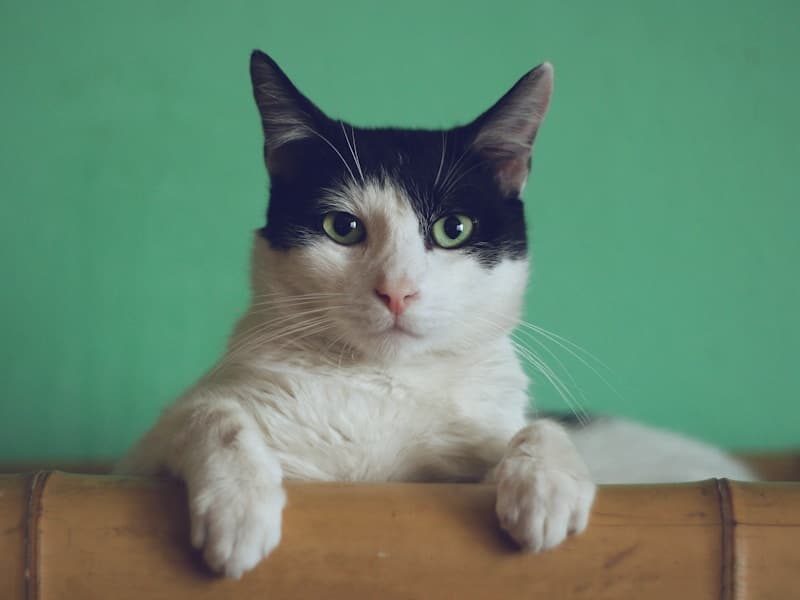
You've got two (or three, or four) cats at home. They eat in the same room, sleep on the same couch, and generally coexist without murdering each other. So naturally, when you're booking a cattery, you assume they should stay together, right?
Not necessarily. And here's something that might surprise you: between 62% and 87% of multi-cat households experience some level of intercat tension. Your cats might tolerate each other at home—where they have the entire house, multiple escape routes, and separate territories carved out—but put them in a confined cattery unit together, and that tolerance can evaporate quickly.
The decision to board your cats together or separately isn't just about cost savings (though we'll address that). It's about understanding the actual relationship between your cats, the health risks of shared accommodation, and what will genuinely reduce their stress during boarding.
This guide will help you make an informed decision based on behavioral science, disease transmission risks, and real-world NZ cattery policies.
The Quick Answer: Bonded vs. Tolerant vs. Territorial
Here's the reality check: most cats in multi-cat households aren't actually bonded. They're tolerant. There's a big difference, and it matters when you're choosing boarding accommodation.
If your cats are genuinely bonded (more on how to tell below), boarding together can reduce separation anxiety and provide comfort during a stressful experience.
If your cats are merely tolerant of each other, separate units will likely reduce stress. They coexist at home because they have space, resources, and the ability to avoid each other when needed. A cattery unit removes all of that.
If your cats show any signs of tension or conflict, separate accommodation isn't negotiable. Resource competition in a confined space will escalate stress levels and could trigger aggression.
How to Tell if Your Cats Are Actually Bonded
According to the 2024 AAFP (American Association of Feline Practitioners) intercat tension guidelines, truly bonded cats display specific affiliative behaviors. These aren't occasional—they're consistent, daily patterns.
Signs of Genuinely Bonded Cats:
-
Sleep in direct physical contact – Not just on the same bed, but actually touching. Curled up together, heads resting on each other, intertwined tails. If they sleep on the same couch but at opposite ends, that's tolerance, not bonding.
-
Mutual grooming (allogrooming) – They groom each other, particularly around the head and neck. This isn't a one-off; it's a regular occurrence. One cat initiating grooming and the other accepting or reciprocating is a strong bond indicator.
-
Allorubbing and nose-touching – They rub their heads against each other, mixing scents to create a shared scent profile. Nose touches are greeting behaviors that signal trust.
-
Synchronized behavior – They often eat at the same time, move through the house together, and settle in the same room. They seek each other out, not just tolerate proximity.
-
Visible distress when separated – If you close one cat in another room, does the other pace, vocalize, or wait by the door? Bonded cats show clear signs of missing their companion.
Signs Your Cats Are Just Tolerant (Not Bonded):
- Sleep in the same room but not touching
- Share space without interaction
- Eat near each other but don't synchronize feeding times
- Don't groom each other
- Show little reaction when separated
- Play independently, even with the same toys
Research shows that truly bonded cats display a degree of affiliative behavior that "correlates with the solidness of their relationship." Tolerant cats might look peaceful, but they lack emotional interdependence. Remove the space and resources that enable their tolerance, and stress can emerge.
Warning Signs of Intercat Tension (Even Subtle):
The 2024 AAFP guidelines emphasize that most signs of tension are subtle and often go unrecognized by owners. Look for:
- Staring or fixated gazing – One cat watching another intently
- Blocking behavior – One cat positioning themselves to prevent another's access to food, litter, or doorways
- Changes in sleeping locations – A cat who suddenly stops sleeping in their usual spot
- Altered feeding patterns – Gulping food quickly, leaving the feeding area immediately, or waiting until the other cat finishes
- Avoidance and hiding – A cat who spends more time in hiding or avoids certain areas when the other cat is present
- Displacement behaviors – Overgrooming, excessive scratching, or other stress-related behaviors
If you see any of these, your cats are experiencing tension. Boarding them together will amplify it.
The Disease Transmission Argument: Why Some Catteries Won't Do It
Here's something most cat owners don't realize: New Zealand (along with Australia) has one of the highest rates of Feline Immunodeficiency Virus (FIV) infection in domestic cats worldwide. Studies show that 18.5% of tested cats in NZ are FIV-positive.
Even if your cats are vaccinated against the common respiratory diseases (feline herpesvirus and calicivirus), shared boarding units create disease transmission risks.
How Disease Spreads in Shared Boarding Units:
Feline Herpesvirus (FHV) and Calicivirus (FCV): According to VCA Animal Hospitals and Cornell University College of Veterinary Medicine, these viruses transmit through:
- Small droplets in the air (sneezing)
- Shared food and water bowls
- Shared litter boxes
- Grooming behaviors
- Contaminated surfaces touched by both cats
Even vaccinated cats can be carriers. Herpesvirus carriers shed the virus during periods of stress (like boarding), and calicivirus carriers shed continuously. When two cats share a confined space with overlapping resources, transmission risk skyrockets.
FIV: While FIV primarily spreads through bite wounds (making it less of a concern for friendly cats), confined spaces can trigger aggression in tolerant-but-not-bonded cats. If a fight breaks out in a shared unit, FIV transmission is possible.
Why Some NZ Catteries Refuse Shared Accommodation (Except Same Household):
Ashley Boarding Cattery explicitly states: "At Ashley Boarding Cattery only cats from the same family are allowed to board together. There are no exceptions."
Their reasoning is solid:
- Disease prevention – Individual units reduce cross-infection between cats from different households
- Behavioral monitoring – Staff can monitor each cat's eating, drinking, and litter box habits separately
- Stress reduction – Cats are territorial. Even friendly cats experience stress when housed with unfamiliar cats
- Legal liability – If cats from different households fight or transmit disease, the cattery faces serious liability issues
Even for cats from the same household, reputable catteries assess the relationship before allowing shared accommodation. They're looking for genuine bonding, not just "they haven't killed each other yet."
The Cost Equation: Is Sharing Actually Cheaper?
Let's talk about the financial side, because this is often the main reason people consider shared accommodation.
Typical NZ Cattery Pricing for Multiple Cats (2026):
Based on data from PawSpot's cost guide and individual cattery websites:
Separate Units:
- First cat: $20–30/night (standard unit)
- Second cat: $20–30/night (standard unit)
- Total: $40–60/night for two cats
Shared Family Unit:
- First cat: $20–30/night
- Second cat sharing: $16–20/night (often 50% discount or slightly less)
- Total: $36–50/night for two cats
Real examples from 2026:
- The Purrfect Cattery: Two cats sharing = $36/day (vs $40 separate)
- Milo's Cat Hotel Auckland: Premium room $45 per cat, $18 for second cat sharing ($63 total vs $90 separate)
- Northlands Animal Care Hospital: Two cats sharing standard room = $42/day (vs $48 separate)
The savings: Typically $4–27 per night when cats share accommodation.
For a week-long holiday, that's $28–190 in savings. For a fortnight, $56–380.
But Here's the Hidden Cost:
What's the financial impact if:
- Your cats fight and injure each other? (Vet bills for bite wounds, abscesses, infections)
- One cat contracts an illness from the other due to stress-induced viral shedding? (Vet bills for upper respiratory infections)
- One cat becomes so stressed they develop urinary issues or stop eating? (Medical boarding, vet intervention)
Stress-related illness, particularly feline idiopathic cystitis (bladder inflammation), is directly correlated with intercat conflict. The 2024 AAFP guidelines note that "multiple studies have correlated stress, living in multi-cat households, intercat conflict and an increased risk of feline idiopathic cystitis and periuria (house-soiling)."
If your cats aren't genuinely bonded, the $4–27/night savings could easily be wiped out by one $200+ vet visit for stress-related illness or injury.
When to Board Together vs. When to Keep Them Separate
Let's make this practical. Here's your decision framework:
Board Together If:
✅ They display clear bonding behaviors
- Sleep in direct physical contact daily
- Regularly groom each other
- Show distress when separated
- Synchronize eating and movement
✅ They're young littermates who grew up together
- Raised together from kittenhood
- Never lived apart
- Share strong social bonds
✅ You've boarded them together before without issues
- They ate normally
- Showed no signs of stress
- No conflicts occurred
- Staff reported positive interactions
✅ They're both calm, low-stress cats
- Neither shows anxiety in new environments
- Both are social and adaptable
- No history of aggression or territorially
✅ The cattery offers appropriate "family units"
- Space large enough for both (minimum 3–4 square meters)
- Multiple hiding spots so each cat can retreat if needed
- Separate feeding stations and litter boxes within the unit
- Vertical space (cat trees, shelves) to create additional territory
Keep Them Separate If:
❌ They're merely tolerant, not bonded
- Sleep in the same area but not touching
- Don't groom each other
- Avoid interaction
- No visible distress when separated
❌ You see any signs of intercat tension
- Staring, blocking, chasing
- Resource guarding (food, litter, doorways)
- One cat avoiding the other
- Changes in sleeping or eating locations
❌ One or both cats are anxious or easily stressed
- Hide when guests visit
- Take a long time to adjust to changes
- Have a history of stress-related illness
- Show signs of anxiety during vet visits
❌ They have different dietary needs or medication schedules
- One requires special food the other can't have
- Different feeding times or portion control needs
- Medication that must be monitored individually
❌ They're not vaccinated identically
- One is up-to-date on vaccines, the other isn't
- Different health statuses
- One is immunocompromised
❌ One cat is significantly more dominant/assertive
- Resource guarding behavior at home
- One cat regularly defers to the other
- Risk of bullying in a confined space
❌ They've never been confined together in a small space
- Your home is large enough for them to have separate territories
- They've never shared a small room for extended periods
- You don't know how they'll react to forced proximity
❌ The "savings" are negligible
- If the price difference is only $4–10/night, separate units offer much better risk mitigation for a small cost
What NZ Catteries Offer for Multi-Cat Households
Most New Zealand catteries accommodate cats from the same household, but policies vary. Here's what to expect:
Standard Policy:
- Cats from the same household only can share a unit (never cats from different families)
- Discounted rate for additional cats (typically 50% or slightly less for the second cat)
- Family units or suites designed for 2–3 cats
- Staff assessment of compatibility before finalizing shared accommodation
What to Ask When Booking:
-
"What size are your family units?"
- Minimum 3–4 square meters for two cats
- Larger is always better
-
"Do family units have multiple resources?"
- At least two litter boxes (the n+1 rule: one per cat plus one extra)
- Separate feeding stations
- Multiple water bowls
- Multiple hiding/sleeping areas
-
"Can you separate them if issues arise?"
- Do they have individual units available as backup?
- What's the process if cats show signs of stress or conflict?
- Is there an additional charge for emergency separation?
-
"What's your monitoring process?"
- How often do staff check on cats?
- How do they identify signs of stress or conflict?
- What's the protocol if one cat isn't eating or is hiding?
-
"Have you had problems with cats from the same household fighting during boarding?"
- Experienced catteries will be honest about this
- It happens more often than you'd think
Red Flags:
- Catteries that don't ask about your cats' relationship
- Facilities that automatically assume all household cats should share
- No option to separate if problems arise
- "Family units" that are just standard units with two cats crammed in
- Shared litter boxes and feeding bowls (major disease transmission risk)
Preparing for Boarding: Shared or Separate
Once you've made your decision, preparation can reduce stress regardless of whether they're together or apart.
If Boarding Together:
-
Do a trial run at home
- Set up a spare room or bathroom as a "mock cattery unit"
- Confine both cats together for a few hours
- Observe their behavior: Do they relax? Show stress? Avoid each other?
-
Pack familiar items for both
- Bedding with their shared scent
- Toys they both use
- A worn t-shirt with your scent
-
Maintain feeding routines
- Provide detailed instructions about feeding times, portions, and any preferences
- If they normally eat at different times, communicate this clearly
-
Request updates
- Ask the cattery to notify you if they observe any tension
- Check in mid-stay to see how they're doing
If Boarding Separately:
-
Request nearby units (if possible)
- Some cats feel comforted knowing their housemate is nearby, even if not sharing a unit
- They can see or smell each other without resource competition
-
Pack individual items
- Each cat gets their own bedding, toys, and comfort items
- Don't share items between units (cross-contamination risk)
-
Communicate differences
- Provide separate care instructions if needed
- Note any medical, dietary, or behavioral differences
-
Expect different reactions
- One cat might be fine; the other might be stressed
- This doesn't mean they should've been together—it just means they have different temperaments
What About Three or More Cats?
The dynamics get more complicated with three or more cats.
The reality: Even if cats live together harmoniously at home, three cats in a confined boarding unit creates a much higher risk of:
- Resource competition (even with extra bowls and litter boxes, one cat might block access)
- Coalition bullying (two cats ganging up on a third)
- Stress escalation (one stressed cat triggers stress in the others)
Recommendation: Unless all three cats display genuine bonding behaviors toward each other (mutual grooming, synchronized sleeping, clear distress when separated), separate accommodation is safer.
Cost consideration: Many catteries offer tiered discounts:
- First cat: full price
- Second cat: 50–60% of full price
- Third cat: 40–50% of full price
Check whether the cost savings justify the increased risk.
The Bottom Line: Your Cats Aren't Saving Money if They're Stressed
Here's the uncomfortable truth: most multi-cat households overestimate how bonded their cats are.
They share a home, they don't fight, they tolerate each other's presence—but that doesn't mean they want to share a 3-square-meter cattery unit for a week. At home, they have the run of the house. They have separate territories, multiple escape routes, and enough resources that competition isn't an issue.
Boarding removes all of that. Suddenly, they're in a confined space with overlapping territories, limited hiding spots, and no option to retreat to another room when they need space.
The cost savings of shared accommodation are real—$4 to $27 per night—but they're not worth the risk if your cats aren't genuinely bonded. Stress-related illness, injuries from fights, or disease transmission during stress-induced viral shedding can cost hundreds in vet bills and create long-term behavioral problems.
If your cats display clear bonding behaviors (sleeping touching, mutual grooming, distress when separated), shared accommodation can provide comfort during a stressful experience. The presence of their bonded companion reduces anxiety.
If your cats are just tolerant of each other, separate units will almost certainly reduce stress. They'll each have their own space, their own resources, and no pressure to share territory with another cat when they're already anxious about being in a new environment.
The right cattery will help you assess this honestly. They should ask about your cats' relationship, observe their behavior during drop-off, and have a backup plan if shared accommodation doesn't work out.
Your goal isn't to save $30 over a week. It's to ensure your cats come home healthy, unstressed, and behaviorally sound. Sometimes that means paying a bit more for separate units. And that's okay.
Frequently Asked Questions
My cats have lived together for 5 years without problems. Doesn't that mean they're bonded?
Not necessarily. Coexisting peacefully doesn't equal bonding. Look for specific affiliative behaviors: sleeping in direct contact, mutual grooming, nose-touching, and visible distress when separated. If you don't see these regularly, your cats are tolerant, not bonded. Tolerance works at home where they have space and resources. It can break down in the confined space of a cattery unit.
Can I request that the cattery separate them if problems arise?
Absolutely, and you should. Ask about this policy before booking. Many catteries have backup plans, but availability of individual units isn't guaranteed during peak periods. If separation is a possibility, book early and confirm the cattery can provide individual units if needed. Some charge extra for emergency separation; clarify this upfront.
Will being separated cause separation anxiety?
Only if your cats are genuinely bonded. If they show clear distress when separated at home (vocalizing, pacing, waiting by doors), they'll likely experience some anxiety being apart at a cattery. However, if they barely notice when one cat is at the vet or in another room, they won't experience separation anxiety during boarding. Most cats who seem "bonded" are actually just tolerant housemates.
My cats share everything at home—food bowls, litter boxes, beds. Why would sharing a cattery unit be different?
At home, they have the entire house. If one cat feels stressed or wants space, they can retreat to another room. If there's tension over the food bowl, they can eat at different times or in different locations. A cattery unit is 3–4 square meters with no escape routes. Sharing resources in that confined space creates stress that doesn't exist in your 100+ square meter home. Additionally, boarding itself is stressful—even friendly cats become more territorial when anxious.
Is it cruel to separate bonded cats during boarding?
For genuinely bonded cats, yes—separation can cause distress. However, bonded cats boarding together need appropriate accommodation: a large enough family unit, multiple resources (litter boxes, food stations, hiding spots), and careful monitoring by staff. If a cattery can't provide this, or if the only "family unit" is a cramped standard unit with one litter box and one food bowl, it's actually kinder to keep bonded cats in adjacent individual units where they can smell each other without resource competition.
How much does FIV infection really matter if they're from the same household?
If both your cats are FIV-negative and live only with each other, the risk is low—unless stress triggers aggression. FIV primarily spreads through deep bite wounds. If your cats have never fought at home, the risk is minimal. However, if one cat is FIV-positive, or if there's any history of aggression or tension, shared boarding increases the risk of transmission through stress-induced fights. The 18.5% FIV-positive rate in NZ cats is why catteries take this seriously.
Can kittens from the same litter board together?
Usually, yes—if they're young and still bonded. Kittens and young cats (under 2 years) from the same litter often maintain strong bonds. However, as cats mature, these bonds can weaken. By age 2–3, assess their relationship honestly using the bonded vs. tolerant criteria. Don't assume littermates automatically want to share space forever.
What if one cat is very dominant and the other is submissive?
This is a red flag for shared boarding. Resource competition in a confined space will amplify dominance dynamics. The submissive cat may not eat properly, may be blocked from the litter box, and may spend the entire stay stressed and hiding. Even if they coexist fine at home (where the submissive cat has space to avoid the dominant cat), a cattery unit doesn't offer that option. Book separate units.
My cattery insists that cats from the same household must share. Is this normal?
No, reputable catteries offer choices. Some catteries strongly recommend sharing for bonded cats (to reduce separation anxiety), but insisting on shared accommodation regardless of your cats' relationship is a red flag. It suggests they're prioritizing their convenience (fewer units to clean) or revenue (fitting more cats) over animal welfare. Find a different cattery that respects your assessment of your cats' relationship.
The decision to board your cats together or separately isn't about convenience—it's about understanding your cats' actual relationship and prioritizing their wellbeing over cost savings. When in doubt, separate units offer more safety and less stress for tolerant-but-not-bonded cats.
Sources:
- 2024 AAFP intercat tension guidelines: recognition, prevention and management
- Epidemiology and clinical outcomes of feline immunodeficiency virus in New Zealand
- Ashley Boarding Cattery: Individual units or communal cattery?
- Herpesvirus Infection in Cats - VCA Animal Hospitals
- Feline Calicivirus - Cornell University College of Veterinary Medicine
- How Much Does Cat Boarding Cost in New Zealand (2026) | PawSpot
- The Purrfect Cattery - Rates/Hours
- Milo's Cat Hotel - Book Now
- Northlands Animal Care Hospital - Cattery