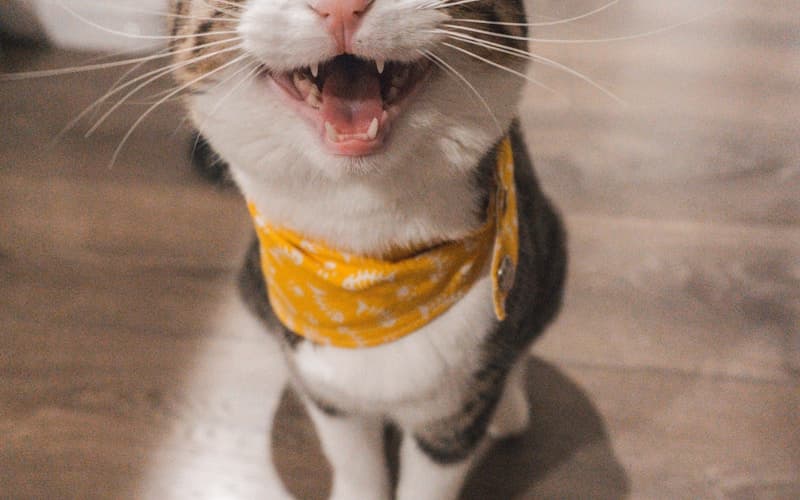
Boarding Your Outdoor Cat in New Zealand: The Complete Guide to Cattery Confinement
Your cat spends her days prowling the back garden, stalking birds from the fence line, and napping under the lemon tree. She comes and goes through the cat door as she pleases, living her best outdoor life. But now you need to go away for two weeks, and suddenly you're facing a question that's keeping you awake: how on earth is she going to cope being locked in a cattery?
If you're worried, you're not alone. Around 90% of New Zealand cats have some form of outdoor access, making us one of the countries with the highest rates of free-roaming cats in the world. That's brilliant for our cats' natural behaviors, but it creates a unique challenge when boarding time comes around.
Here's the thing: confining an outdoor cat isn't the same as boarding an indoor cat. The stakes are different, the stress levels can be higher, and the preparation needs to be more thorough. But with the right approach, most outdoor cats can successfully handle temporary cattery stays - and some even enjoy the experience.
Quick Answer: Can Outdoor Cats Handle Cattery Boarding?
Yes, most outdoor cats can successfully adjust to temporary cattery boarding with proper preparation and the right facility. Research shows that about two-thirds of cats adapt well to boarding within two weeks, though outdoor cats may experience more initial stress from confinement than their indoor counterparts. The key is choosing a facility with outdoor access or large enclosures, preparing your cat in advance, and knowing the signs of healthy adjustment versus genuine distress.
The Outdoor Cat Challenge: Why It's Different
New Zealand's Outdoor Cat Reality
Let's talk numbers. According to Companion Animals New Zealand research, here's what cat ownership looks like in New Zealand:
- 90% of cats have outdoor access
- 77.6% are kept indoors at night but outdoor during the day
- Only 10% are strictly indoor-only
- Over 1.26 million domestic cats call NZ home
This is massively different from places like the US or UK, where indoor-only cats are increasingly common. In New Zealand, the free-roaming outdoor cat is still the norm, especially in suburban and rural areas.
What the Research Says About Confinement Stress
Here's where it gets interesting. Studies on cat confinement stress show that indoor confinement can expose cats to stressors that trigger:
- Physical and emotional stress
- Anxiety and behavioral changes
- Elimination problems (litter box issues)
- Aggressive behaviors
- Compulsive behaviors (excessive grooming, pacing)
Perhaps most telling: research indicates a tendency toward lower cortisol levels (stress hormone) in outdoor cats versus indoor cats under normal circumstances - but this flips when outdoor cats are suddenly confined.
Your outdoor cat isn't being dramatic when she struggles with confinement. Her entire life has been about freedom, territory control, and environmental variety. Suddenly being in a small enclosed space feels fundamentally wrong to her.
It's Not Impossible - It's Just Different
Before you panic: this doesn't mean outdoor cats can't board successfully. It means they need:
✓ More preparation time ✓ Facilities with better space and enrichment ✓ Gradual introduction to confinement concepts ✓ Realistic expectations about adjustment periods
Think of it like this: asking your indoor cat to board is like asking them to stay at a hotel. Asking your outdoor cat to board is like asking an avid tramper to spend two weeks in a studio apartment. They can do it - but they'll need the room set up right and plenty to keep them occupied.
Choosing the Right Facility for Your Outdoor Cat
Not all catteries are created equal, and this matters exponentially more for outdoor cats.
Must-Have Features
1. Outdoor Access or Large Enclosures
This is non-negotiable for most outdoor cats. Look for New Zealand facilities offering:
- Indoor/outdoor suites: Many NZ catteries now provide individual units with secure outdoor runs, allowing cats to move between indoor sleeping quarters and outdoor exercise areas
- Large enclosed runs: Minimum 2m² indoor space plus outdoor access
- Secure cat-proof fencing: Proper mesh or netting preventing escapes
- Natural elements: Trees, grass, or elevated platforms in outdoor areas
Some excellent examples in NZ include catteries with private outdoor runs attached to each unit - your cat gets fresh air, sunshine, and some sense of territory without the escape risk.
2. Vertical Space
Outdoor cats are used to climbing trees, fences, and sheds. Flat floor space isn't enough. Essential features:
- Multi-level cat trees or shelves
- High perches or platforms
- Window views at elevated heights
- Climbing opportunities
3. Environmental Enrichment
Research shows that 55% of confined cats show boredom signs without enrichment. For outdoor cats used to constant stimulation, this is critical:
- Rotating toys
- Puzzle feeders (mimic hunting)
- Bird-watching windows
- Hiding places and tunnels
- Scratching posts (multiple)
- Interactive play sessions with staff
4. Smell and Sight Lines
Outdoor cats navigate their world through scent and visual territory markers. Good facilities offer:
- Fresh air circulation (not just AC)
- Ability to see outside
- Plants or natural elements
- No overwhelming chemical smells
- Separate areas away from dog boarding
Red Flags to Avoid
❌ Cage-only facilities: Small cages under 1m² will be incredibly stressful for outdoor cats ❌ No outdoor access: Unless your cat is elderly or has mobility issues ❌ High-density housing: Lots of cats in small shared spaces ❌ Strong disinfectant smells: Indicates poor ventilation or over-cleaning ❌ No enrichment program: Just "room and board" won't cut it ❌ Can't visit before booking: Always inspect first
Questions to Ask During Your Visit
- "Do you have experience with outdoor/indoor-outdoor cats?"
- "What's your largest accommodation option?"
- "Can you describe the outdoor access arrangement?"
- "How many hours per day do cats get outdoor time?"
- "What enrichment activities do you offer?"
- "How do you handle cats who are stressed by confinement?"
- "Can I see photos of cats actually using the outdoor areas?"
Don't be shy about these questions. A good cattery will have clear, confident answers because they understand outdoor cats have different needs.
Preparing Your Outdoor Cat: The 8-Week Plan
Spring this on your outdoor cat the day before you leave, and you're asking for trouble. Here's a realistic preparation timeline:
8 Weeks Before Boarding
Start Litter Box Training (if needed)
Outdoor cats who toilet outside may never have used a litter box. Start with a large tray placed where they usually enter/exit:
- Use soil or sand initially (familiar substrate)
- Gradually mix in cat litter
- Transition to full litter over 2-3 weeks
- Keep outdoor access during training
Book the Cattery and Arrange a Visit
Take your cat to see the facility if possible. Let her sniff around an empty unit. Some catteries allow short "trial stays" - even 2-3 hours can help.
6 Weeks Before
Start Gradual Confinement Practice
Ironically, the best prep for cattery confinement is practicing confinement at home:
Week 1-2: Close the cat door for 30 minutes during the day. Stay home, make it positive with treats and play.
Week 3-4: Extend to 1-2 hours. Give meals during confinement time.
Week 5-6: Work up to 4-6 hours. Make sure litter box, food, water, and enrichment are available.
This isn't cruel - it's preparation. You're teaching your cat that temporary confinement is survivable and that you'll return.
4 Weeks Before
Vet Check and Vaccinations
Outdoor cats are more likely to have parasite exposure or minor health issues. Get a thorough checkup:
- Update vaccinations (F3 required, FeLV recommended)
- Flea and worm treatment
- Check for injuries, especially in multi-cat territorial areas
- Discuss anxiety medication if your cat is particularly stressed by confinement
2 Weeks Before
Final Preparation
- Create detailed care notes (more on this below)
- Collect familiar items to send with her
- Get your cat used to her carrier (leave it out with treats inside)
- Continue confinement practice
- Take current photos showing normal behavior
The Care Sheet: Critical for Outdoor Cats
For outdoor cats, the care sheet needs extra detail because their "normal" isn't the cattery staff's baseline. Include:
Outdoor Routine:
- How many hours daily outside?
- Does she patrol a specific route?
- Any outdoor fears? (trucks, dogs, etc.)
- What does she hunt? (helps staff understand her prey drive)
Indoor Behavior:
- Does she pace when confined?
- How long can she handle being inside?
- Does she yowl at doors/windows?
- Any destructive behaviors when stressed?
Adjustment Expectations:
- "She will likely pace for the first 2-3 days - this is normal for her"
- "She may refuse food for 24 hours when stressed"
- "If she's sitting on high perches watching outside, she's coping fine"
The staff needs to know what's normal outdoor-cat adjustment versus genuine distress.
What to Expect: Adjustment Timeline
Days 1-3: The "Where the Hell Am I?" Phase
Your outdoor cat will likely:
- Pace the perimeter repeatedly (checking for exits)
- Meow more than usual
- Refuse food or eat very little
- Hide in corners or high up
- Sleep very little
- Be hypervigilant
This is normal. Research shows stress levels peak in the first few days then begin declining.
Good signs:
- Using the litter box (huge win)
- Eating anything at all
- Accepting treats from staff
- Using outdoor access if available
Concerning signs:
- Completely refusing food for 48+ hours
- Self-harm behaviors (excessive grooming until bald patches)
- Extreme aggression toward staff
- No use of litter box at all
Days 4-7: The "I Guess This Is Happening" Phase
Most outdoor cats start accepting their situation:
- Eating more normally
- Sleeping in comfortable positions (not just alert vigilance)
- Using outdoor time if available
- Showing interest in toys or windows
- Allowing staff interaction
Days 8-14: The "New Normal" Phase
Research indicates that about two-thirds of cats adapt well within two weeks:
- Establishing a routine
- Normal grooming behavior
- Active use of enrichment
- Relaxed body language
- Eating full meals
The 4% Who Don't Adjust
Here's the hard truth: about 4% of cats don't reduce their stress levels even after two weeks. If your cat is in this category, you'll know because:
- Constant vocalization continues
- Weight loss from refusing food
- No relaxation periods
- Persistent litter box avoidance
- Staff report they're not coping
If this happens, you have options (more below).
Making Boarding Easier: Practical Strategies
Items to Send From Home
Familiar Smells Are Gold:
- Your worn t-shirt (don't wash it)
- Their favorite blanket
- A pillowcase from your bed
- Their regular scratching post (if portable)
Don't Send:
- Expensive toys (things get lost)
- Items you can't bear to lose
- Food/water bowls (facilities provide these)
The Power of Routine
Tell the cattery your cat's home routine and ask them to replicate it:
- What time does she usually go outside?
- When does she eat?
- Evening playtime ritual?
Even confined cats benefit from predictable schedules.
Communication During Boarding
For outdoor cats, updates matter more:
- Request photos every 2-3 days
- Ask specific questions: "Is she using the outdoor area?" "How's her appetite?"
- Video updates if offered
- Emergency contact protocols
Alternatives If Boarding Isn't Working
Option 1: In-Home Cat Sitter
For outdoor cats who absolutely can't handle confinement, keeping them home with a sitter may be better:
Pros:
- Cat maintains outdoor access
- Familiar territory reduces stress
- Normal routine continues
Cons:
- Higher cost for daily visits
- Risk of cat escaping when sitter enters/exits
- Less monitoring than 24/7 cattery staff
- What if the sitter gets sick?
Make It Work:
- Hire a professional with insurance
- Have daily photo check-ins
- Backup sitter arranged
- Clear instructions about outdoor time
Option 2: Gradual Transition to Indoor
If you travel frequently, consider slowly transitioning your cat to part-time indoor living before they're elderly:
The gradual approach works better than sudden confinement:
- Start with nights indoors only
- Add mornings gradually
- Eventually, outdoor time becomes supervised/limited
- Makes future boarding much easier
Option 3: Build a Catio at Home
Some NZ cat owners are building catios (outdoor cat enclosures) that give outdoor access with containment:
- Teaches your cat that enclosed outdoor space is okay
- Makes boarding feel less alien
- Good for wildlife protection too
- Growing trend in NZ
Special Considerations
Senior Outdoor Cats (10+ years)
Older outdoor cats face extra challenges:
- Less adaptable to environmental changes
- May have arthritis making climbing to perches harder
- More likely to have medical needs
- Stronger territorial attachment
Recommendations:
- Choose ground-floor accommodation
- Book facilities with 24/7 supervision
- Consider home care instead if health is fragile
- Extra preparation time (10-12 weeks)
Feral or Semi-Feral Cats
Truly feral or semi-feral outdoor cats who barely tolerate human contact are terrible candidates for boarding:
- Extreme stress from human proximity
- Risk of injury trying to escape
- Won't accept care from strangers
- May never settle
Better Options:
- Outdoor feeding station with automatic feeders
- Neighbor checks every 2-3 days
- Weatherproof shelter
- Consider whether they "need" you home at all
Multi-Cat Outdoor Households
If you have multiple outdoor cats who get along:
- Board them together if possible
- Familiar companionship reduces stress
- Facilities can often connect condos
- Ask about multi-cat discounts (10-15% common)
However, if your cats merely tolerate each other outdoors through territory sharing, boarding separately may reduce tension.
Coming Home: Post-Boarding Behavior
What's Normal
First 24-48 Hours:
- Immediately heading outside to "reclaim" territory
- Ignoring you initially (they're busy patrolling)
- Excessive grooming
- Sleeping more than usual
- Eating lightly or ravenously
First Week:
- Extended outdoor time (re-establishing territory)
- May be clingy or distant with you
- Normal routines should resume
- Litter box use should stabilize
When to Worry
Contact your vet if:
- Refusing to go outside (unusual for outdoor cats)
- Not eating after 48 hours
- Limping or injuries
- Respiratory symptoms (possible kennel cough)
- Extreme lethargy or hiding
The Guilt Trip
Yes, your cat will probably make you feel terrible. That's what cats do. But if she's eating, using the litter box, and showing normal behavior within a week, she handled it fine - no matter how much she's currently giving you the cold shoulder.
Common Mistakes to Avoid
Not Visiting the Cattery First
Never book based on website photos alone. Outdoor cats need more space and outdoor access than advertised "outdoor area" photos might suggest.
Assuming They'll Be Fine
"She's tough, she'll manage" is not a plan. Outdoor cats need more preparation, not less.
Booking Too Short a Trial
If possible, do a 2-3 day trial before your main trip. You'll learn whether your cat copes and the facility is suitable.
Sending Them Hungry
Don't restrict food before drop-off thinking they'll eat at the cattery. Stressed cats already eat less - arrive with a full stomach.
Not Litter Training First
This is the #1 cause of boarding disasters with outdoor cats. Start training weeks in advance.
FAQ: Boarding Outdoor Cats
Q: Will my outdoor cat forget how to be outside after boarding?
No. Cats don't forget their outdoor skills from a few weeks of confinement. Within hours of returning home, she'll be back to her normal outdoor routine.
Q: Should I board my outdoor cat indoors-only or find a facility with outdoor access?
For most outdoor cats, facilities with outdoor access or very large enclosures (2m²+) work better. However, elderly or timid cats may actually prefer smaller indoor-only spaces where they feel more secure.
Q: How do I know if my outdoor cat is too stressed to board?
Signs of excessive stress include refusing food for 48+ hours, self-harm behaviors like excessive grooming creating bald patches, aggressive behaviors toward staff, or complete shutdown (hiding, not moving). Good facilities will contact you if your cat isn't coping.
Q: Can outdoor cats get depressed from boarding confinement?
Cats can experience stress-related behavioral changes from confinement, but true depression is rare and usually resolves quickly once they return home. Research shows most cats readjust to their home environment within a week.
Q: Should I tell the cattery my cat is indoor-outdoor or will they judge me?
Be completely honest. Good facilities won't judge - they need this information to provide appropriate care. Saying your outdoor cat is "indoor" sets wrong expectations and could result in problems.
Q: My cat has never used a litter box. Will the cattery train her?
Most catteries expect cats to be litter trained before arrival. Some will work with outdoor cats who struggle initially, but don't count on it. Train at home first.
Q: Are there catteries in NZ specifically for outdoor cats?
While there are no "outdoor-cat-only" facilities, many NZ catteries (like Scratchpad Cattery on the Kapiti Coast) specifically provide private outdoor runs. Search for "cattery with outdoor runs" in your region.
Q: What's the difference between a catio and a cattery with outdoor runs?
A catio is a permanent outdoor enclosure at your home. A cattery with outdoor runs provides similar enclosed outdoor access in a boarding facility - usually each unit has its own secure run attached.
Summary: Key Takeaways
- 90% of NZ cats have outdoor access, making confinement boarding a unique challenge
- Outdoor cats experience more initial stress from boarding than indoor cats
- Research shows 2/3 of cats adapt well within two weeks, but preparation matters
- Essential facility features: outdoor access or large enclosures (2m²+), vertical space, enrichment
- Start preparation 8 weeks before boarding with gradual confinement practice
- Litter box training is non-negotiable for outdoor cats before boarding
- Days 1-3 are typically the hardest; expect pacing, reduced appetite, and vigilance
- Send familiar-smelling items (worn t-shirt, blanket) to reduce stress
- Alternative options include in-home sitters, catio installation, or gradual indoor transition
- Post-boarding, most outdoor cats readjust to home routines within one week
- About 4% of cats don't adjust well to boarding - have a backup plan
- Be completely honest with cattery staff about your cat's outdoor lifestyle
Boarding an outdoor cat isn't impossible - it just requires more thought, preparation, and the right facility than boarding an indoor cat. With proper planning, most outdoor and indoor-outdoor cats successfully handle temporary cattery stays, even if they're not thrilled about it. Your cat will forgive you eventually (probably after she's finished thoroughly re-marking every corner of her outdoor territory).
Sources
- Companion Animals New Zealand: Research on NZ Cat Outdoor Access
- Journal of Feline Medicine and Surgery: Stress in Owned Cats
- Cambridge University: Stress and Adaptation of Cats in Boarding Catteries
- ResearchGate: Adaptation of Domestic Cats to Confinement
- PubMed: Environmental Enrichment for Cats
- Petfinder: Transitioning Outdoor Cats
- FELIWAY: Helping Outdoor Cats Adjust to More Time Indoors
- Scratchpad Cattery: Wellington Cattery with Outdoor Runs
- Chooks NZ: Omlet Outdoor Cat Enclosures
- NZ Herald: Northland Catio Trend