Cat Enrichment: 12 Science-Backed Ways to Keep Indoor Cats Happy
Here's a stat that might surprise you: indoor cats are twice as likely to become overweight or obese as cats with outdoor access. And it's not because they're eating more—it's because they're bored.
According to research published in the Journal of Feline Medicine and Surgery, cats with little to no outdoor access from a young age develop weight problems as a result of decreased physical activity, leading to boredom and greater food consumption. Cornell University estimates that around 50% of cats seen at veterinary clinics are now overweight or obese.
The good news? You don't need to let your cat roam the neighbourhood to fix this. What you need is enrichment—and there's solid science behind what actually works.
The Quick Answer
Cats need environmental enrichment that mimics their natural behaviours: hunting, exploring, climbing, scratching, and observing. The American Association of Feline Practitioners outlines five pillars of a healthy feline environment: safe spaces, multiple resources, play opportunities, positive human interaction, and respect for their sense of smell. Aim for 30-60 minutes of interactive play daily, split into 2-3 sessions, and rotate toys weekly to prevent boredom.
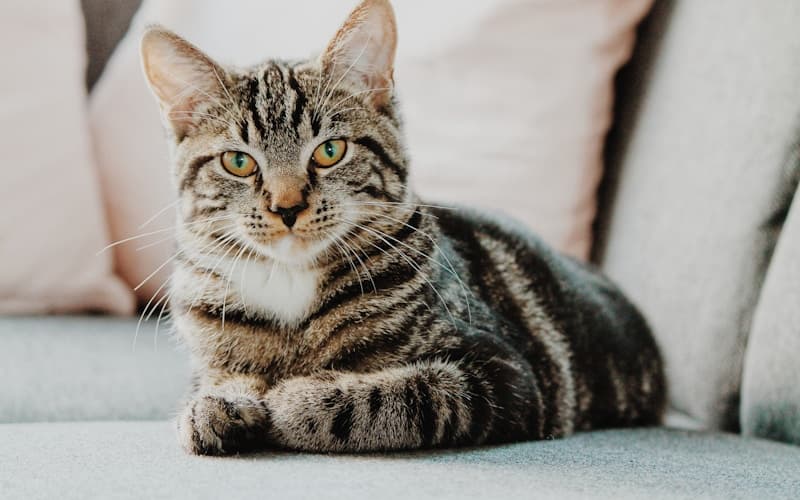
 An enriched cat is an alert, engaged cat—not a lethargic one
What "Enrichment" Actually Means
Environmental enrichment isn't just about buying more toys. According to SPCA New Zealand, it's about introducing smells, sights, tastes, and textures that stimulate your cat's physical and mental health.
"What people think of as 'boredom' is actually frustration and stress due to a lack of environmental enrichment," explains Dr. Blake Gibson, DVM, a behavioural medicine resident at Texas Veterinary Behavior Services. "[Indoor life] has come at a significant cost to cats' behavioural welfare."
The domestic cat's behaviour is remarkably similar to their wild ancestor, the African wildcat—a solitary hunter who spent large portions of each day stalking, catching, and eating prey. When we keep cats indoors with a bowl of kibble that takes 30 seconds to eat, we're removing most of what they evolved to do.
The Five Pillars of Feline Enrichment
The AAFP and ISFM Feline Environmental Needs Guidelines organise cat welfare around five essential pillars. Think of these as the foundation—everything else builds on them.
1. Safe Places
Every cat needs spots where they feel secure and can't be approached unexpectedly. This means hiding spots (cardboard boxes, covered beds, spaces under furniture) and elevated perches where they can observe without being observed.
In multi-cat households, this becomes even more critical. Each cat needs their own safe zones.
2. Multiple and Separate Resources
Resources include food, water, litter boxes, scratching posts, and resting areas. The key word here is separate—cats don't like their food near their litter, and in multi-cat homes, resource competition causes chronic stress.
The general rule: one of each resource per cat, plus one extra, in different locations.
3. Opportunities for Play and Predatory Behaviour
This is where most enrichment efforts should focus. Cats are hardwired to hunt, and play is how they express that instinct indoors.
4. Positive and Predictable Human Interaction
Cats thrive on routine. Regular feeding times, consistent play sessions, and predictable handling all reduce stress. Some cats want lots of interaction; others prefer minimal contact. Respect what your cat tells you.
5. Respect for Their Sense of Smell
Cats mark their territory through facial rubbing and scratching, depositing pheromones that make spaces feel safe. Avoid strong cleaning products in their areas, don't wash all their bedding at once, and provide appropriate scratching surfaces.
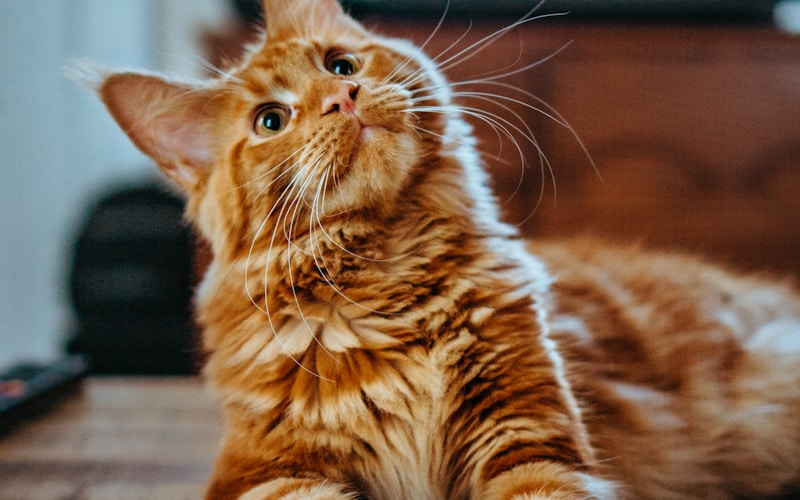 Vertical spaces satisfy climbing instincts and provide security through elevation
12 Enrichment Strategies That Actually Work
1. Puzzle Feeders (The Single Best Investment)
If you do one thing from this list, make it this.
Research published in the Journal of Feline Medicine and Surgery found that puzzle feeders produced a variety of benefits including weight loss, decreased aggression toward humans and other cats, reduced anxiety and fear, and even resolution of inappropriate toileting problems.
Puzzle feeders work because they tap into your cat's hunting instinct. Instead of 30 seconds of eating, your cat spends 20-30 minutes working for their food—exactly what their ancestors would have done.
Start simple. A muffin tin with kibble in the cups is an easy first puzzle. Toilet paper tubes with the ends folded shut work too. Once your cat understands the concept, you can progress to more challenging commercial feeders.
The Ohio State University Indoor Pet Initiative recommends puzzle feeders as preventive health care for all indoor cats.
2. Interactive Play Sessions
Most vets recommend 30-60 minutes of play daily, split into 2-3 sessions of 10-15 minutes each. Short bursts work better than marathon sessions—cats are sprinters, not endurance athletes.
Timing matters. Cats are crepuscular (most active at dawn and dusk), so morning and evening play sessions align with their natural rhythms.
The best toys mimic prey: feather wands, fishing rod toys with small attachments, and anything that moves erratically. Let your cat "catch" the toy regularly—a hunt with no success is frustrating, not enriching.
3. Vertical Space
Cats feel safer when they can survey their territory from above. Cat trees, wall-mounted shelves, and cleared spaces on top of furniture all satisfy this need.
Height is especially important in multi-cat households, where it provides escape routes and reduces conflict. The AAFP guidelines specifically recommend elevated perches as essential environmental resources.
4. Window Access (Cat TV)
A window perch with a view of birds, squirrels, or even foot traffic provides hours of mental stimulation. It's essentially television for cats.
Position a bird feeder outside the window if you can. Just make sure the window is secure—cats can push through screens when motivated.
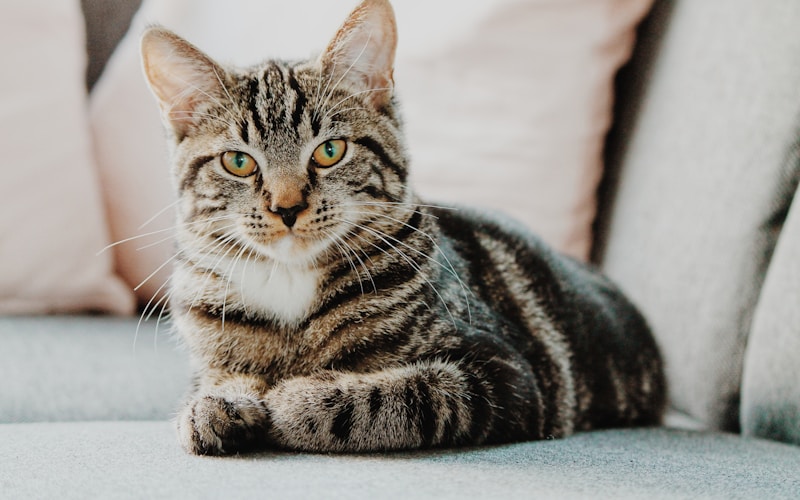 Window watching engages hunting instincts without the risks of outdoor access
5. Rotate Toys Weekly
Leave all the toys out constantly, and they lose their novelty. The solution? Keep most toys hidden and rotate them weekly.
That mouse toy your cat ignored for months? After a few weeks in the cupboard, it becomes exciting again. Most cats do well with 3-5 different toy types available at any time.
6. Scent Enrichment
Research from Ohio Link found that silver vine significantly increased play behaviour in cats, making it an effective enrichment tool. Catnip affects about 50-70% of cats; silver vine works on many who don't respond to catnip.
Beyond recreational scents, you can introduce novel smells through:
- Cardboard boxes from deliveries (new smells to investigate)
- Herbs like cat grass, valerian, or tatarian honeysuckle
- A sock worn by a friend (strange human smell to explore)
SPCA New Zealand recommends planting a cat-safe herb garden for ongoing olfactory enrichment.
7. Multiple Small Meals
Wild cats eat 10-20 small meals throughout the day. One or two large meals don't match this pattern and can contribute to boredom between feedings.
Divide your cat's daily food into 4-5 portions. Better yet, use puzzle feeders for some meals and scatter feed others (hiding kibble around the house for your cat to find).
8. Scratching Variety
Scratching isn't just about claw maintenance—it's also territorial marking and stretching. Provide both vertical and horizontal scratching surfaces in different materials (cardboard, sisal rope, carpet).
Texas Tech University research found that kittens preferred S-shaped cardboard scratchers, though individual preferences vary. Watch where your cat tries to scratch and provide appropriate alternatives in those locations.
9. Training (Yes, Really)
Cats can learn cues like sit, high-five, come, and even complex tricks. Training sessions of 3-5 minutes provide mental stimulation and strengthen your bond.
Use positive reinforcement only—treats, play, or whatever motivates your cat. SPCA New Zealand notes that contrary to popular belief, cats absolutely can be trained, and many enjoy the interaction.
10. Cardboard Boxes and Paper Bags
Sometimes the simplest solutions work best. Boxes provide hiding spots, play opportunities, and new textures to explore. Paper bags (handles removed for safety) crinkle enticingly.
The appeal is partly about novelty—a new box is always more interesting than yesterday's box. Rotate these too.
11. Safe Outdoor Access
If possible, consider a catio (enclosed outdoor space), cat-proof fencing, or supervised harness walks. Outdoor access provides unmatched enrichment: fresh air, natural sunlight, real prey to watch, and complex scents.
The AVMA acknowledges that while indoor living protects cats from many dangers, "it is more challenging to meet their needs, impacting their physical and emotional health." Safe outdoor access bridges this gap.
12. Another Cat (Maybe)
A compatible feline companion can provide social interaction and play opportunities you can't. However—and this is crucial—not all cats want company. Many prefer being only cats.
Introducing a second cat to a cat who wants to be alone creates stress, not enrichment. Only consider this if your cat actively seems to want feline interaction and you can commit to a slow, proper introduction process.
Signs Your Cat Needs More Enrichment
How do you know if your current setup isn't enough? Watch for these behaviours:
Physical signs:
- Weight gain or obesity
- Over-grooming (especially bald patches)
- Excessive sleeping (beyond the normal 12-16 hours)
Behavioural signs:
- Destructive scratching on furniture
- Aggression toward people or other pets
- Excessive vocalisation (crying, meowing)
- Inappropriate urination outside the litter box
- Attention-seeking behaviour
These problems often resolve when enrichment needs are met. Research shows that puzzle feeders alone have helped address over-grooming, inappropriate urination, obesity, and fear behaviours when used as part of a comprehensive approach.
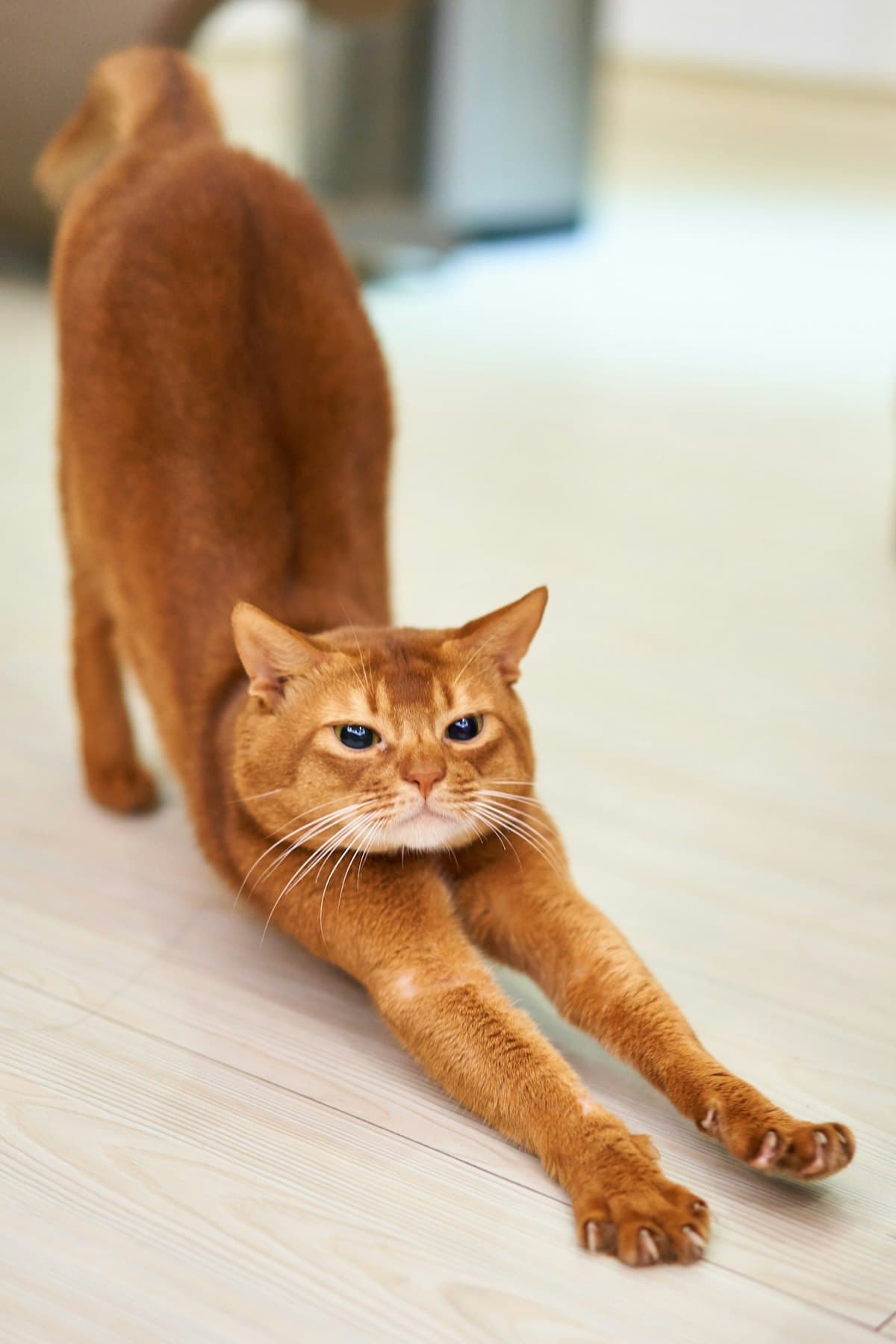
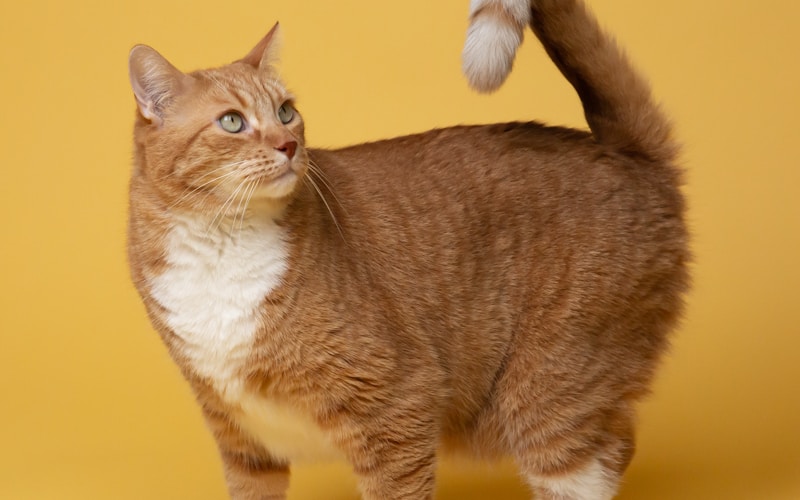 Interactive play satisfies hunting instincts and strengthens the human-cat bond
Creating an Enrichment Routine
Consistency matters more than perfection. Here's a realistic daily framework:
Morning (5-10 minutes)
- Play session with wand toy or laser pointer
- Breakfast served in puzzle feeder
Daytime (while you're away)
- Toys left out for solo play
- Window perch accessible
- Hiding spots available
Evening (10-15 minutes)
- Second interactive play session
- Dinner (puzzle feeder or scatter fed)
Throughout the day
- Fresh water available
- Scratching posts accessible
- Safe hiding spots maintained
You don't need to do everything at once. Start with puzzle feeders and regular play, then add other elements over time.
Enrichment for Different Life Stages
Kittens (under 1 year): Need up to 60 minutes of play daily in multiple short sessions. Everything is enrichment at this age—they're learning constantly. Focus on varied textures, safe climbing opportunities, and interactive play.
Adult cats (1-10 years): The sweet spot is 30-45 minutes of daily interactive play, plus environmental enrichment like puzzle feeders and window access. Watch for weight gain, which often starts appearing around age 2-3.
Senior cats (10+ years): May need gentler play with shorter sessions of 5-10 minutes. Provide easy-access perches (ramps or steps to favourite spots), and consider food puzzles that aren't too physically demanding. Mental stimulation remains important even as physical abilities decline.
What About Catteries?
When evaluating boarding facilities, enrichment tells you a lot about quality. Does the cattery provide:
- Vertical climbing spaces in each unit?
- Window views or visual stimulation?
- Interactive play time with staff?
- Hiding spots within enclosures?
- Scratching surfaces?
A cattery that understands enrichment will keep your cat mentally healthy during their stay, not just physically safe. When you visit, watch the resident cats—are they alert and curious, or lethargic and withdrawn?
FAQ
How do I know if my cat is bored?
Look for weight gain, excessive sleeping, destructive behaviour, over-grooming, or increased vocalisation. Bored cats often become either lethargic or destructive—sometimes alternating between both.
Do indoor cats really need enrichment, or is it optional?
The AAFP guidelines are clear: addressing environmental needs is essential, not optional, for optimum wellbeing. Think of enrichment as preventive healthcare.
My cat ignores puzzle feeders. What am I doing wrong?
Start easier. Many cats need to learn that food comes from these objects. Begin with a shallow dish where food is visible and easily accessible, then gradually increase difficulty. Never let your cat go hungry while learning—always provide regular food if they're truly struggling.
How much does enrichment cost?
It can cost almost nothing. Cardboard boxes, paper bags, toilet roll tubes, muffin tin feeders, and scatter feeding are free. The most important enrichment—interactive play—requires only your time and a simple wand toy.
Can enrichment help with behavioural problems?
Yes. Research published in the Journal of Feline Medicine and Surgery documented improvement in aggression, anxiety, inappropriate urination, and over-grooming when puzzle feeders were introduced. Enrichment addresses the root cause (understimulation) rather than just the symptoms.
Is it possible to over-stimulate a cat?
Yes. Cats are sprinters who hunt in short bursts. If your cat loses interest, walks away, or shows signs of frustration (thrashing tail, flattened ears), the session has gone too long. Keep play sessions under 15 minutes.
The Bottom Line
Indoor cats live longer than outdoor cats—that's well established. But longevity isn't the same as quality of life. Without enrichment, indoor cats develop the same problems we see in any understimulated animal: obesity, anxiety, depression, and behavioural issues.
The fix isn't complicated. Puzzle feeders, daily play, vertical space, window views, and rotating novelty. These interventions are backed by veterinary research, cost little or nothing, and work.
Start with one change this week. A puzzle feeder for breakfast. Ten minutes of wand-toy play before dinner. A cardboard box left out for exploration.
Your cat's behaviour will tell you if you're on the right track.
Sources
- AAFP and ISFM Feline Environmental Needs Guidelines
- Cornell University - Obesity in Cats
- PMC - Overweight and obesity in domestic cats: epidemiological risk factors
- Journal of Feline Medicine and Surgery - Food puzzles for cats
- Ohio State University - Indoor Pet Initiative
- SPCA New Zealand - Enrichment tips for cats
- VCA Animal Hospitals - Feline Environmental Needs Guidelines
- AVMA - Indoor cats wellbeing requires more than physical safety
- AAHA - How often should you play with your cat
- PMC - Food puzzles for cats: Feeding for physical and emotional wellbeing