You're three days into your holiday. You're sitting at a beach restaurant, trying to enjoy dinner, but your mind keeps drifting back home.
What is my cat doing right now?
You imagine them sitting by the door waiting for you to come home. Or crying in their carrier. Or huddled in the corner of a cold cage, lonely and scared, wondering why you abandoned them.
The guilt sits heavy in your chest. You check your phone again, hoping for another update photo from the cattery, something to prove your cat is okay.
Here's what you need to know: Those images in your head aren't what's happening.
Your cat isn't crying by a door. They're not lonely and scared. They're not wondering where you are in the desperate, heartbroken way you're imagining.
Here's what's actually happening right now, while you're reading this:
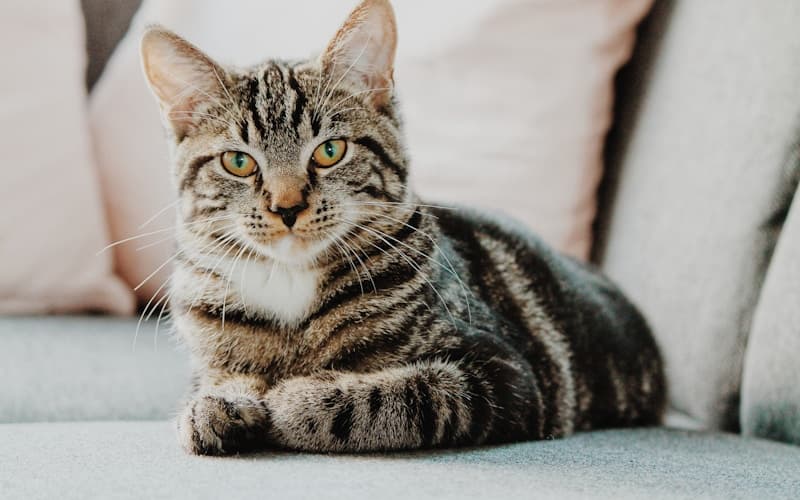
Your cat is probably napping in a patch of afternoon sunlight, warm and comfortable, their belly full from lunch. Maybe they're grooming themselves on a soft bed. Maybe they're watching birds through a window. Maybe they're batting lazily at a feather toy.
They're doing exactly what they'd be doing at home—resting, eating, existing in their own peaceful cat world—just in a different location.
Let me show you what a typical day looks like at a quality cattery in New Zealand. Not the anxious fantasy version in your head. The real version.
You'll see that your cat's day is calm, structured, and surprisingly ordinary. Just like their day at home, but with a few different faces and a slightly different bed.
7:00am - Morning Begins
The first light of morning filters through the window of the cattery. Most cats are already awake—not because they're distressed, but because cats are crepuscular. This is their natural wake-up time, the same time they'd be padding around your bedroom at home, staring at you until you feed them.
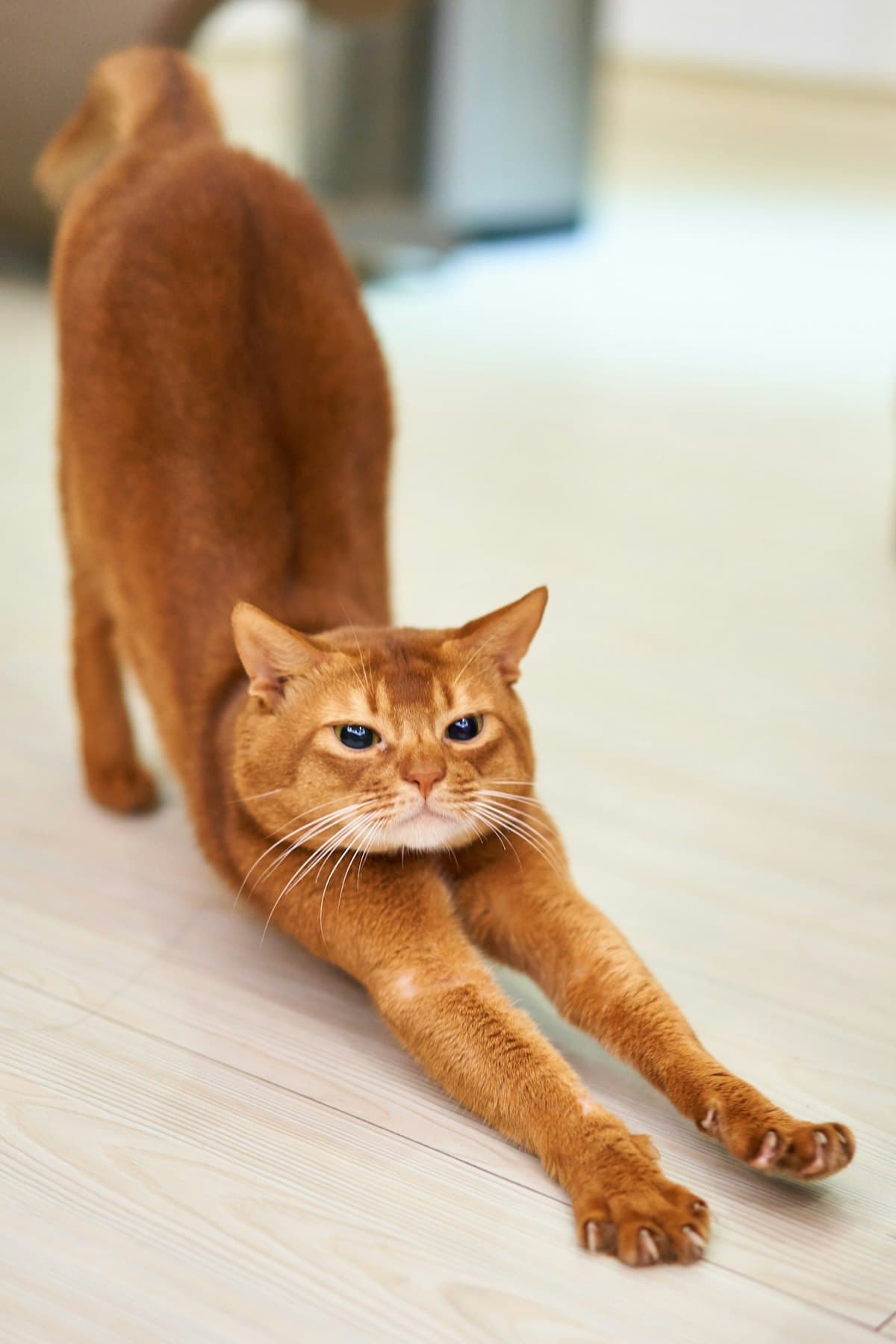
A cat we'll call Muffin stretches in her elevated bed, extending her front paws and arching her back. She yawns, showing all her teeth, then settles back down for a few more minutes. She's warm. The room temperature is comfortable. There's no rush.
From down the hall, she hears the familiar sound of footsteps and quiet voices. Staff have arrived for the morning shift. Muffin's ears twitch toward the sound, but she doesn't move yet. She's learned over the past few days that the footsteps mean breakfast is coming eventually, and she's a patient cat.
The cattery is quiet in these early hours. Soft instrumental music plays in the background—studies show it reduces feline stress. The lighting is still dim, gradually increasing to mimic natural dawn. No harsh fluorescent lights flicked on at 6am. Just a gentle transition from night to day.
Muffin grooms her face with one paw, the same morning routine she follows at home.
7:30am - Breakfast Time
The footsteps get closer. A staff member—the same person who fed Muffin dinner last night—appears outside her enclosure. They move slowly, speak softly.
"Good morning, Muffin."
The staff member observes for a moment before opening the enclosure. They're checking: Is Muffin alert? Did she use her litter box overnight? Is there any sign of illness or distress?
Muffin stands and stretches again, then walks to the front of her space. She's not frightened. She's interested. She's learned this person brings food.
The staff member places a bowl of wet food—the same brand Muffin eats at home, the same flavor—in her usual spot. They've noted that Muffin prefers her food bowl on the left side of the enclosure, away from the litter box. These small details matter.
"There you go, lovely girl."
The staff member steps back, giving Muffin space. They don't hover. They don't try to pet her while she's eating. They understand cat behavior—mealtime is private time.
Muffin approaches the bowl and sniffs. The food smells right. She takes a few bites, then pauses to look around. Everything is calm. She continues eating.
Within five minutes, she's finished half the bowl. That's normal for her—she's a grazer, not a gulper. The staff member makes a quick note on their checklist: "Muffin - ate 50%, good appetite." This will be logged so the evening staff know what to expect.
8:00am - Post-Breakfast Grooming
With breakfast finished, Muffin does what every cat does after eating: she grooms herself.
She settles into her favorite spot—the raised platform by the window—and begins the meticulous process of cleaning her face, her paws, her chest. This isn't stress grooming. This is normal, healthy grooming. The same ritual she'd perform on your couch at home.
Through the window, she can see trees moving in the breeze. A few birds land on a branch. Muffin's eyes track them with mild interest, but she's too comfortable to do more than watch. Her tail twitches once. Twice.
The morning sun has started streaming through the window now, warming the platform where she sits. Muffin adjusts her position slightly to catch the best angle of sunshine. Within minutes, she's curled into a compact ball, eyes half-closed, basking.
This—this exact scene—is what's happening while you're worrying that your cat is miserable.
She's warm. She's full. She's grooming in a sunny spot.
If you could see her right now, you'd realize she's fine.
9:00am - The Long Morning Nap
By 9am, Muffin is fully asleep.
Not a stressed, fitful sleep. Not the tense, ears-still-alert sleep of a frightened cat. Deep, comfortable sleep. Her body is relaxed, her breathing slow and even. One paw covers her nose. Her whiskers twitch occasionally as she dreams—probably about birds, or food, or whatever cats dream about.
This isn't unusual. Cats sleep 16-20 hours per day. That's normal. That's healthy.
A stressed cat doesn't sleep well. A stressed cat stays hypervigilant, ears swiveling at every sound, muscles tense, ready to flee or fight. That's not Muffin. Muffin is so deeply asleep that when a staff member walks by to do a visual check, she doesn't even stir.
The staff member glances in, notes that Muffin is sleeping peacefully, and continues their rounds. They don't wake her. They don't open the enclosure. They just observe: sleeping, looks comfortable, no concerns.
This is what happens for most of the morning. While you're having your breakfast or checking out of your hotel or boarding your flight, your cat is napping. Just like they'd be napping on your bed at home.
The cattery is quiet during these hours. No loud music, no shouting, no chaos. Just the gentle hum of ventilation, the occasional soft meow from another cat, the quiet footsteps of staff moving about their tasks.
Muffin sleeps through it all, undisturbed.
11:00am - Midday Check and Litter Box Refresh
Around mid-morning, the staff member returns for a more thorough check.
They open Muffin's enclosure quietly. Muffin wakes—not startled, just stirring naturally—and blinks at them. She stretches, front legs first, then back legs.
"Hello, pretty girl. Just going to tidy up for you."
The staff member quickly scoops the litter box, adds fresh litter if needed, and checks that Muffin's water bowl is full and clean. They note that the water level has dropped since morning—good, Muffin is drinking. They refill it with fresh water.
They also remove the breakfast bowl, which still has a few bites left in it. That's fine. Muffin's chart says she's a grazer, and the evening staff will offer a fresh meal later.
The entire interaction takes maybe three minutes. The staff member moves efficiently but calmly. No sudden movements. No loud noises. No forced interaction.
Before they leave, they pause. Muffin has approached them and is sniffing their hand. The staff member extends one finger slowly, and Muffin rubs her cheek against it. A brief moment of connection—Muffin choosing to interact on her own terms.
"Good girl," the staff member says softly, then exits the enclosure.
Muffin watches them go, then returns to her sunny platform. Within minutes, she's dozing again.
12:00pm - The Afternoon Quiet
This is the quietest time of day at the cattery.
Most cats are sleeping. The midday sun is warm but not too hot—the cattery is climate-controlled, kept at a comfortable temperature year-round. Some cats sleep in patches of sun. Others retreat to covered beds or hideaways for cooler, darker rest.
Muffin is still on her platform, but she's moved to a shadier corner now that the sun has shifted. Her eyes are closed, her breathing slow. She's completely still except for the occasional ear flick when a sound catches her attention.
If you could see her now, you wouldn't see a distressed, lonely cat. You'd see a cat doing exactly what cats do: sleeping peacefully through the middle of the day.
This is normal. This is healthy. A cat sleeping this much, this deeply, is a cat who feels safe.
There's no staff interaction during this period unless necessary. No one is disturbing the cats for entertainment or photo opportunities. The cattery understands that rest is important. That cats need long periods of undisturbed sleep to stay healthy and calm.
So for the next few hours, Muffin just... exists. Peacefully. Comfortably.
While you're worrying, she's napping.
2:00pm - Afternoon Enrichment
By mid-afternoon, some of the cats are starting to wake naturally and show interest in activity. Muffin is one of them.
She stands, stretches thoroughly—front legs, back legs, full body arch—and hops down from her platform. She walks to her water bowl and takes a few sips. Then she notices something new.
A staff member has quietly placed a small cardboard box in the corner of her enclosure while she was sleeping. It's just a simple box, nothing fancy, but to a cat, it's an irresistible mystery.
Muffin approaches cautiously. Sniffs the outside. Paws at the opening. Then, with the typical bold-but-careful manner of cats, she sticks her head inside.
It's empty, but it smells like cardboard and possibility. Muffin climbs fully inside, turns around once, and settles down. Now she's in a box, in the sun, in an enclosure. Peak cat satisfaction.
In other enclosures, other cats are engaging with different enrichment: a feather wand hanging from a string, a crinkle ball, a puzzle feeder with treats inside. Nothing high-energy or overwhelming. Just small, gentle activities that provide mental stimulation without stress.
The staff member who placed the enrichment items watches from a distance, making notes about which cats engaged and which ignored the new additions. This information helps them understand each cat's personality and preferences.
Muffin stays in her box for about ten minutes, then climbs out, bats the box once with her paw, and returns to her platform. Enrichment: completed.
4:00pm - Late Afternoon Play (Maybe)
Some cats are playful in the late afternoon. Others aren't. Muffin falls somewhere in the middle.
A staff member appears with a feather wand toy. They stand outside the enclosure and gently wave the toy near the mesh wall. Muffin's eyes lock onto the movement immediately. Her pupils dilate. Her body goes low.
This is prey drive—completely normal, completely healthy.
The staff member moves the toy slowly, mimicking bird movements. Muffin tracks it intensely for a few seconds, then—quick as lightning—pounces toward the mesh, batting with one paw.
The staff member continues for about two minutes, giving Muffin a chance to engage. Muffin pounces a few more times, then loses interest. That's normal for cats—short bursts of play followed by rest.
"Good job, Muffin," the staff member says, then moves on to the next enclosure.
Some cats in the cattery engage in play for longer periods. Some don't engage at all. The staff respects each cat's individual preferences. There's no forced playtime, no pressure to perform. Just gentle opportunities for activity.
Muffin, satisfied with her brief hunt, grooms her paws and settles back down.
5:30pm - Dinner Arrives
The sound of dinner preparation echoes through the cattery. Bowls clinking. Wet food being portioned. The rustle of packaging.
Muffin's ears perk up. She's learned this sound. This sound means food.
By the time the staff member reaches her enclosure, Muffin is already at the front, waiting. Not anxious—just ready. This is dinnertime, and dinnertime is important.
"Hello, Muffin. Hungry girl?"
The staff member places her dinner bowl—same food, same location—and steps back. Muffin doesn't hesitate this time. She's more comfortable now, less cautious than she was on day one. She digs in immediately.
The staff member watches for a moment to confirm Muffin is eating well, then continues their rounds. They'll check back in twenty minutes to see how much she consumed.
Muffin eats steadily. She finishes about three-quarters of the bowl this time—a good dinner. Her appetite is normal. Her weight is stable. Everything is as it should be.
When the staff member returns, they note on the chart: "Muffin - ate 75%, excellent appetite." They also snap a quick photo of Muffin sitting contentedly after her meal and send it to you via the cattery's app.
This is the photo you'll see on your phone during dinner tonight. The one that will make you exhale with relief, because Muffin looks calm and comfortable. Because she is.
6:30pm - Evening Grooming and Settling
Post-dinner grooming begins. Muffin cleans her face, her whiskers, her chest. She's meticulous, as always.
The light outside is starting to fade. The cattery lights are still on but dimmed slightly, beginning the gradual transition to evening. The music is still playing softly in the background.
Muffin returns to her favorite elevated bed—the one with the soft fleece blanket that smells faintly like laundry detergent and sunshine. She circles once, kneading the blanket with her paws, then settles into a loaf position.
Her eyes are half-closed. She's full, clean, and comfortable.
A staff member walks by, doing a final evening check. They glance at Muffin, note that she's settled and relaxed, and continue on. No interaction needed—Muffin is content.
This is the quiet evening routine. No drama, no distress. Just a cat settling in for the night, the same way she'd settle on your lap or your bed at home.
8:00pm - Lights Down
By 8pm, the cattery begins its nighttime routine.
The lights dim further. The music transitions to something even softer—binaural beats designed for feline relaxation. The temperature drops slightly to mimic natural evening coolness.
Muffin is already asleep. She's been dozing for the past hour, drifting in and out of light sleep. Now, as the environment settles into nighttime mode, she sinks into deeper rest.
Her body is curled into a tight ball, nose tucked under one paw. Her breathing is slow and even. She looks small and peaceful.
A staff member does one final walk-through, checking each cat visually. They don't open enclosures unless necessary. They're just ensuring everyone is safe, comfortable, and settled.
Muffin doesn't stir as they pass. She's deeply asleep.
9:00pm - Night Shift
By 9pm, most of the cattery is quiet.
The lights are at their lowest setting—not pitch black, but dim enough to signal night. Cats are sleeping in various positions: curled up, stretched out, tucked into hideaways.
Muffin is still in her elevated bed, motionless except for the gentle rise and fall of her breathing.
The night staff member on duty settles in for their shift. They'll be here overnight, doing quiet checks every few hours, handling any emergencies (which are rare). But mostly, they're just present—making sure the cattery is safe and calm while the cats sleep.
This is your cat's night. Not lonely, not scared, not crying for you.
Just sleeping. Peacefully. The same way they'd sleep on your bed at home, except you're not there to accidentally roll over and disturb them at 2am.
The Truth About Boarding
Here's what you need to understand: Your cat's day at the cattery is remarkably similar to their day at home.
At home:
- They wake up
- They eat
- They groom
- They sleep for hours
- They play briefly
- They eat again
- They sleep more
- They groom again
- They sleep through the night
At the cattery:
- They wake up
- They eat
- They groom
- They sleep for hours
- They play briefly
- They eat again
- They sleep more
- They groom again
- They sleep through the night
The routine is nearly identical. The main difference is location and the faces providing care.
Your cat isn't pining for you every second. They're not experiencing heartbreak the way you imagine. They're simply existing in their cat routine—eat, sleep, groom, play, repeat—in a safe, comfortable environment.
Do they miss you? Maybe. In their own cat way, they probably notice you're not there. But cats aren't wired for the kind of existential loneliness you're projecting onto them. They're wired for routine, safety, and comfort.
And all three of those needs are being met.

Why Your Cat Sleeps So Much (And Why That's Good)
Let's address the thing that worries a lot of owners: "The photos from the cattery always show my cat sleeping. Is something wrong?"
No. Nothing is wrong. Here's why:
Cats Sleep 16-20 Hours Per Day
This is normal feline biology. Cats are obligate carnivores evolved to hunt in short, intense bursts followed by long periods of rest. Even indoor cats maintain this sleep pattern.
At home, your cat sleeps most of the day too. You just don't notice because:
- You're at work during peak sleep hours (midday)
- You see them during active periods (morning feeding, evening play)
- They're distributed around your house, so you assume they're "doing something" in the other room (they're sleeping)
Sleep = Safety
A stressed, frightened cat doesn't sleep deeply. They stay alert, vigilant, ready to flee.
Deep sleep requires feeling safe. If your cat is sleeping 16+ hours at the cattery, that's not depression or neglect. That's a cat who feels secure enough to rest.
Boarding Is Actually Low-Stimulation
Compared to a household with kids running around, doorbells ringing, vacuum cleaners roaring, and constant activity, a cattery is remarkably calm.
This means more sleep, not less. Your cat has fewer interruptions to their natural rest cycle. They're catching up on the sleep they miss at home when your toddler tries to "pet the kitty" at 3pm.
What About Cats Who Don't Adjust This Well?
The day I described above is typical for cats who've settled into boarding. Most cats reach this comfortable routine by day 3-5.
But what about cats who struggle? What about the anxious cat hiding in the back corner, or the cat who won't eat?
Here's the truth: Those cats exist. Not every cat has a peaceful, easy boarding experience. Some cats experience significant stress, especially in the first 24-48 hours.
But those cats:
- Usually improve significantly after the first few days
- Are monitored closely by staff who recognize stress signals
- May need different boarding solutions (in-home care, vet boarding, etc.)
This post describes a good boarding experience because that's what most cats have once they adjust. If you're worried your cat won't adjust well, read our guides on choosing the right cattery and trial visits.
What You Can Do With This Information
Now that you know what a typical day looks like, you can:
Reframe Your Worry
When you start imagining your cat sad and lonely, replace that image with the truth: your cat napping in the sun, grooming after breakfast, batting at a feather toy, sleeping peacefully through the night.
Your guilt is based on an inaccurate mental image. Correct the image, and the guilt loses its power.
Interpret Updates Accurately
When the cattery sends you a photo of your cat sleeping, don't panic. That's not a depressed cat. That's a comfortable cat doing what cats do 70% of the day.
When they report "ate 50% of breakfast," don't worry. Many cats eat less on boarding days 1-3, then return to normal. As long as appetite is improving and staff aren't concerned, your cat is fine.
Trust the Process
Quality catteries have routines designed around feline biology and behavior. They understand that cats need:
- Predictable meal times
- Long, undisturbed sleep periods
- Gentle, optional interaction
- Quiet, calm environments
- Respect for individual preferences
Your cat's day is structured to meet those needs. Trust the routine.
Enjoy Your Holiday
You left your cat at a cattery so you could travel, work, or handle life responsibilities. You did your research. You chose a quality facility. You packed your cat's favorite food and comfort items.
You did your job. Now let the cattery do theirs.
Your cat is fine. They're sleeping, eating, and existing in their peaceful cat world. They'll be happy to see you when you return, but they're not suffering in your absence.
So stop checking your phone every hour. Stop imagining worst-case scenarios. Stop letting guilt ruin your trip.
Your cat is napping right now. In the sun. On a soft bed. Full belly. Comfortable.
Let them nap. And let yourself rest too.
FAQ
Do all catteries follow this kind of routine?
Most quality catteries have similar routines—morning feeding, quiet midday hours, evening feeding, gentle enrichment. Specific timing and details vary, but the core structure (feed, rest, feed, sleep) is standard.
What if I see a photo of my cat hiding?
Hiding is normal, especially in the first 2-3 days. It doesn't mean your cat is miserable—it means they're using a coping strategy. Most cats transition from hiding to visible resting by day 4-5. See our guide on fight, flight, freeze responses.
Should I ask the cattery about their daily routine before booking?
Yes. A quality cattery should be able to describe their typical day, feeding schedule, enrichment activities, and staff check-in frequency. If they're vague or dismissive, that's a red flag.
My cat has a different routine at home (free-feeding, etc). Will the cattery accommodate it?
Most catteries can accommodate minor variations (feed twice daily instead of once, prefer dry food over wet, need meals at specific times). Discuss your cat's routine when booking.
How do I know if my cat is actually having a day like this, or struggling?
Ask for daily updates. Quality catteries provide photo updates and brief notes ("ate well, spent afternoon napping by window"). If your cat is struggling, staff should contact you proactively with concerns and a plan.
Do cats get bored at catteries?
Cats don't experience boredom the way humans do. They're designed for long periods of rest punctuated by brief activity. A calm, predictable environment with meals, sleep, and gentle enrichment meets their needs.
Summary: Your Cat Is Okay
Key takeaways:
✅ Your cat's day at the cattery is similar to their day at home: eat, sleep, groom, play, repeat
✅ Most of the day is sleep (16-20 hours), which is normal and healthy for cats
✅ Deep sleep means your cat feels safe, not that they're depressed or neglected
✅ Staff provide regular care (feeding, litter box cleaning, enrichment) but don't overwhelm cats with constant interaction
✅ The routine is calm and predictable, designed around feline biology and behavior
✅ Your mental image of a sad, crying cat is probably wrong—replace it with the reality of a napping, comfortable cat
The next time you're away and worry creeps in, remember this hour-by-hour guide. Your cat isn't suffering. They're not lonely in the devastating way you imagine.
They're just being a cat. Sleeping, eating, grooming, existing in their peaceful routine.
And that's exactly what they should be doing.
Ready to find a cattery with calm, structured routines? Search PawSpot's cattery directory to find quality facilities in your area.