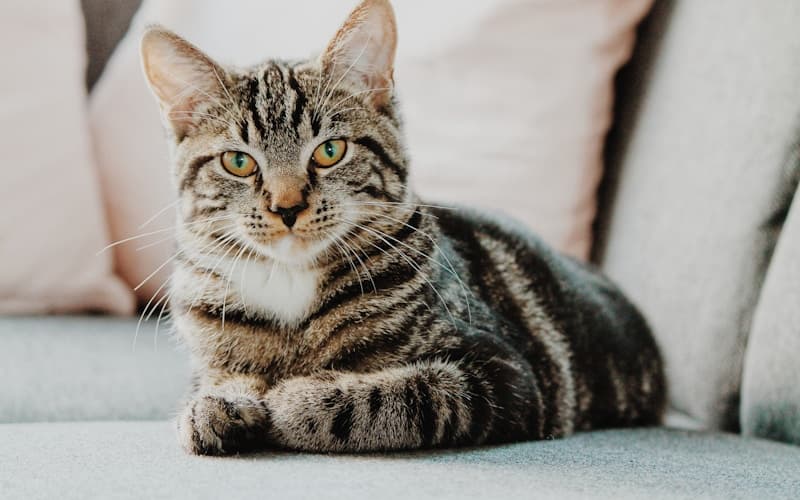
You're three days into your holiday when the thought hits: Is my cat okay?
Maybe you're at a beach resort, maybe you're visiting family overseas, but suddenly you're wondering if your cat is eating, if they're stressed, if they miss you. You pull out your phone, half-hoping for some telepathic connection that'll tell you everything's fine.
Sound familiar? You're not alone. According to recent research, 48% of pet parents feel anxious about leaving their cat, and 61% cite separation anxiety—not their cat's, but their own—as their primary concern when boarding.
The good news? Modern technology has transformed how catteries communicate with worried pet parents. What used to be a complete information blackout during boarding has evolved into video calls, live streaming, photo updates, and instant messaging that keeps you connected every step of the way.
Here's exactly what communication technology is available at NZ catteries in 2026, which features matter most, and how to manage your own anxiety while your cat enjoys their vacation.
Quick Answer: What Communication Can I Expect?
Most modern NZ catteries offer at least one of these options:
- Photo updates (most common): Daily or every-other-day photos via email, text, or app
- Written report cards: Notes on eating, behaviour, litter box use, and activity
- Two-way messaging: Text or app-based communication for questions and updates
- Video calls (premium): Scheduled video chats to "visit" your cat remotely
- Live webcams (rare): 24/7 streaming access to view your cat's enclosure
- Automated check-ins: Scheduled updates at feeding times or play sessions
The level of communication varies widely—from basic daily photo updates at budget catteries to full app-based platforms at premium facilities.
 Separation anxiety affects nearly half of pet parents when leaving their cat for boarding
Why Staying Connected Actually Matters
Before we dive into technology features, let's address the elephant in the room: Does staying connected help, or does it just feed anxiety?
The research is pretty clear. Here's what studies show about pet parent communication during boarding:
Separation anxiety is real—for humans: A 2024 survey found that 44% of pet owners express serious worries about their pets experiencing separation anxiety, while 48% admitted feeling anxious and sad themselves when leaving their pet.
Communication reduces stress: Regular updates don't increase anxiety—they actually provide reassurance. You're not wondering "what if" because you have evidence your cat is fine.
It builds trust with the cattery: Facilities that offer transparent communication demonstrate confidence in their care standards. They're not hiding anything—they want you to see how well your cat is doing.
Your cat probably doesn't need it: Here's the kicker—your cat likely doesn't miss you the same way you miss them. According to Applied Animal Behavior Science, cats are remarkably adaptable to new environments when their basic needs are met. The communication is for your peace of mind, not theirs.
Types of Communication Technology at NZ Catteries
1. Photo Updates: The Industry Standard
What it is: Daily or every-other-day photos of your cat sent via email, SMS, or messaging app.
Why it works: Photos provide visual proof your cat is alive, healthy, and comfortable. You can see their body language, whether they're relaxed or stressed, and how they're engaging with their environment.
Typical schedule:
- Budget catteries: Photos every 2-3 days
- Mid-range catteries: Daily photos
- Premium catteries: Multiple photos per day, often with activity notes
What to look for in quality photo updates:
- Clear images (not blurry or poorly lit)
- Cat is visible and identifiable
- Environment looks clean
- Natural behaviours captured (eating, playing, sleeping)
- Captions with context ("Mittens enjoyed her tuna breakfast this morning!")
Most NZ catteries now offer photo updates as standard—it's become an expectation rather than a premium feature.
 Daily photo updates show your cat's wellbeing and environment
2. Video Calls: The Premium Option
What it is: Scheduled video chats (usually via Zoom, FaceTime, or WhatsApp) where you can "visit" your cat remotely.
Why it works: Video calls offer real-time interaction. You can see your cat moving, hear them purr (or meow), and observe their behaviour in real time rather than relying on static photos.
Typical offerings:
- Scheduled 5-10 minute video calls
- Usually offered every 2-3 days for long stays
- Staff member holds phone/tablet to show your cat
- You can talk to your cat (though whether this helps or confuses them is debatable)
Cost: Many catteries include one complimentary video call for stays longer than a week, then charge $10-20 for additional calls.
The reality check: Video calls are great for your peace of mind, but your cat may or may not engage. Don't be disappointed if your cat seems indifferent—that's actually a good sign they're comfortable and not stressed.
Available at: Premium catteries in major cities (Auckland, Wellington, Christchurch, Hamilton)
3. Live Webcams: The Rare Gem
What it is: 24/7 streaming cameras that let you view your cat's enclosure anytime from your phone or computer.
Why it's rare: Privacy concerns (multiple cats visible), technical infrastructure costs, and bandwidth requirements make this uncommon in NZ.
Where to find it: Kapiti Petvilla in Te Horo is one of the few NZ catteries offering webcam access. They provide outdoor webcam viewing, giving pet parents 24/7 visibility.
The pros:
- Check in anytime, day or night
- No schedule required
- See your cat's full daily routine
The cons:
- You'll probably watch more than is healthy
- Cats sleep 16-20 hours a day, so expect a lot of napping
- Can increase anxiety if you see something out of context (cat not eating one meal, minor squabble with another cat)
Best practice if available: Limit yourself to 1-2 check-ins per day, preferably at scheduled activity times (feeding, play sessions).
4. Messaging Apps and Digital Platforms
What it is: Pet boarding software like MoeGo, Time To Pet, or GoPet AI that provide integrated communication platforms.
Features typically include:
- Daily report cards with eating, drinking, litter box use, and behaviour notes
- Photo and video uploads
- Two-way messaging with staff
- Automated check-in notifications at scheduled times
- Emergency alerts for health concerns
- Medication logs (if applicable)
Why it's better than email: Everything is centralized in one app. You get push notifications, can review past updates, and communicate directly without playing phone tag.
Adoption in NZ: Growing rapidly. Many newer or recently upgraded catteries have adopted digital platforms, while traditional family-run operations still rely on email/text.

5. Written Report Cards
What it is: Daily or every-other-day written updates covering:
- Eating (how much, what they ate, any appetite changes)
- Drinking and hydration
- Litter box use (frequency, any issues)
- Behaviour (playful, shy, relaxed, stressed)
- Activity (playtime, enrichment, social interactions)
- Health observations (any concerns)
Format: Email, text message, or app-based notes
Why it matters: Photos show one moment, but written reports provide context about your cat's overall wellbeing throughout the day.
Quality indicators:
- Specific details ("ate 75% of breakfast") vs. vague ("ate fine")
- Behavioural observations ("enjoyed playing with feather toy")
- Honest reporting (if your cat is stressed or not eating, you want to know)
What to Ask Before Booking
Don't assume—ask specifically about communication before you book. Here are the essential questions:
Communication Frequency
- "How often will I receive updates about my cat?"
- "Are updates scheduled (daily at 5pm) or random throughout the day?"
- "Can I request additional updates if I'm worried?"
Communication Methods
- "Do you use an app, email, text, or phone calls?"
- "Can I message staff directly if I have questions?"
- "What's your typical response time for messages?"
Photo and Video Policies
- "Are photo updates included in the standard rate?"
- "Do you offer video calls? If so, how do I schedule them?"
- "Can I send photos or videos to my cat?" (Yes, this is a thing some people ask)
Emergency Communication
- "How will you contact me in case of a health emergency?"
- "Do you have multiple contact numbers on file?"
- "What happens if you can't reach me?"
Technology Requirements
- "Do I need to download an app?"
- "Is there a parent portal or login I need to set up?"
- "What if I'm overseas with limited internet access?"

Managing Your Own Separation Anxiety
Here's the uncomfortable truth: The technology exists to ease your anxiety, but obsessively checking updates can actually make it worse.
Healthy Communication Habits
Do:
- ✅ Check updates once or twice per day at scheduled times
- ✅ Trust the cattery's expertise (they know cat behaviour better than you think)
- ✅ Respond to updates with a quick "thanks" so staff know you received them
- ✅ Ask questions if something genuinely concerns you
- ✅ Remember that your cat is likely more adaptable than you're giving them credit for
Don't:
- ❌ Check webcams every hour (if available)
- ❌ Message staff multiple times per day with non-urgent questions
- ❌ Panic if one photo shows your cat sleeping (they sleep 16+ hours a day)
- ❌ Compare your cat's experience to other cats (every cat adjusts differently)
- ❌ Request updates outside the cattery's scheduled update times
Perspective Check
Remember:
- Your cat is probably fine. According to the SPCA, quality catteries provide structured environments that meet all of a cat's core needs—food, safety, stimulation, and rest.
- One missed meal isn't an emergency. Cats often eat less on the first day due to stress. It's normal.
- Staff will contact you about real problems. If there's a health concern, they'll call. No news is usually good news.
- Your anxiety doesn't help your cat. They can't sense your worry through a phone screen, so don't let guilt ruin your holiday.
What If a Cattery Doesn't Offer Updates?
Some traditional family-run catteries still operate with minimal technology—no apps, no daily photos, maybe a quick "everything's fine" text if you ask.
Is this a dealbreaker?
Not necessarily. Lack of technology doesn't mean lack of quality care. Some of the best catteries in NZ are run by experienced professionals who've cared for thousands of cats over decades—they just don't use apps.
Questions to ask instead:
- "Can I call to check in during business hours?"
- "Will you contact me immediately if there's any concern?"
- "Can I send a self-addressed stamped postcard for a written update?" (Retro but effective!)
If you truly can't handle being disconnected, choose a cattery with technology features—but don't write off excellent traditional catteries just because they're not app-based.

The Future of Cattery Communication
According to market research, pet boarding is rapidly adopting technology trends like:
- AI-powered health monitoring: Cameras that detect changes in eating, drinking, or movement patterns
- Biometric tracking: Collar sensors that monitor heart rate, activity levels, and stress indicators
- Automated updates: AI-generated report cards based on camera observations
- Virtual reality check-ins: VR headsets that let you "visit" your cat's enclosure (yes, really)
Will these features become standard in NZ? Probably not for a while—most of these technologies are expensive and still being tested in premium US and UK facilities. But photo updates, messaging apps, and scheduled video calls are becoming the expected standard.
FAQ
How often should I expect updates from a cattery?
Most modern NZ catteries provide daily photo updates with brief notes. Premium facilities may offer multiple updates per day, while budget options might provide updates every 2-3 days. Always clarify the update schedule when booking.
Can I request a video call every day?
While some catteries offer daily video calls for long-term stays, most limit them to every 2-3 days to avoid disrupting the cat's routine and staff workflow. Frequent video calls can actually stress some cats who are settling into boarding.
What if I'm travelling overseas with limited internet?
Inform the cattery before you leave. They can adjust communication methods (scheduled phone calls instead of app notifications) and ensure they have backup emergency contacts in New Zealand who can be reached quickly.
Do webcams stress cats out?
No—cats can't see the webcam as anything different from their environment. The camera itself doesn't stress them. However, you watching constantly might stress you out, which is why limiting check-ins is recommended.
Should I talk to my cat during video calls?
You can, though results vary. Some cats seem to recognize their owner's voice and respond, while others appear confused or indifferent. Don't be hurt if your cat seems uninterested—it's actually a sign they're comfortable and adjusted.
What should I do if I don't receive expected updates?
First, check your spam folder and ensure notifications are enabled. If you still haven't received updates, contact the cattery directly. They may be experiencing technical issues or their update system might have missed your contact information.
Are photo updates included in the boarding cost?
Most modern catteries include basic photo updates in their standard rates. Video calls and extra updates may incur additional fees ($10-20 per video call is typical).
Can I send messages or photos to my cat?
Some catteries with app-based platforms allow this, though whether it benefits your cat is questionable. If it makes you feel better, go ahead—just don't expect your cat to read your messages.
Summary: Making Technology Work for You
Staying connected while your cat is boarding has never been easier—if you choose a cattery with the right technology features for your needs.
Key takeaways:
✅ Communication technology is now standard at most modern NZ catteries, from daily photo updates to app-based platforms
✅ Photo updates are most common, followed by written report cards and two-way messaging
✅ Video calls and live webcams are premium features offered by a growing number of facilities
✅ Your anxiety is normal—48% of pet parents feel worried when leaving their cat, but regular updates significantly reduce stress
✅ Ask specific questions about communication methods, frequency, and emergency protocols before booking
✅ Healthy boundaries matter—checking updates once or twice daily is healthy; obsessive monitoring can increase anxiety
✅ Quality care doesn't require technology—some excellent traditional catteries provide outstanding care without apps or webcams
The goal isn't to helicopter-parent your cat from afar. It's to get enough reassurance that you can actually enjoy your holiday, knowing your cat is safe, comfortable, and well-cared for.
Choose a cattery with communication features that match your comfort level, set healthy check-in boundaries, and trust that your cat is probably having a pretty good time—even if they won't admit it when you pick them up.
Ready to find a cattery with the communication features you need? Search PawSpot's cattery directory to filter by location, features, and technology offerings.
Sources
- Pet owner survey reports separation anxiety statistics | dvm360
- Dog Boarding Software for Kennels & Pet Boarding | MoeGo
- Pet Boarding Services Market Size & Share Report, 2030 | Grand View Research
- WebCam – Kapiti Petvilla
- Time To Pet Software
- GoPet AI Blog
- What to do when your pet can't come too | SPCA New Zealand
- Most pet owners plan a pet health reset in 2025 | Talker Research
- New survey: 95% of pet parents rely on their pet for stress relief | American Heart Association