Understanding Your Cat's Body Language
Cats are masters of non-verbal communication. While they may not speak our language, they're constantly telling us how they feel through their body posture, tail position, ears, and eyes. Learning to read these signals will transform your relationship with your cat and help you understand when they're content, anxious, or need space.
The Tale of the Tail
Your cat's tail is perhaps the most expressive part of their body. When held high with a gentle curve at the tip, your cat is feeling confident and friendly - this is their way of saying hello. If the tip quivers while upright, they're particularly excited to see you. A tail wrapped around you while sitting nearby is a sign of deep affection, much like a human putting their arm around a friend.
On the other hand, a tail tucked underneath the body signals fear or submission. Your cat feels vulnerable and is trying to make themselves smaller. A puffed-up tail that looks like a bottle brush indicates fear combined with defensive aggression - your cat is trying to appear larger to ward off a perceived threat.
Watch out for a tail that's thrashing from side to side. Unlike dogs, this doesn't mean happiness - it's a warning sign that your cat is becoming agitated. A low tail with a twitching tip suggests building irritation, and continuing whatever you're doing might result in a swat or bite.
What the Ears Are Saying
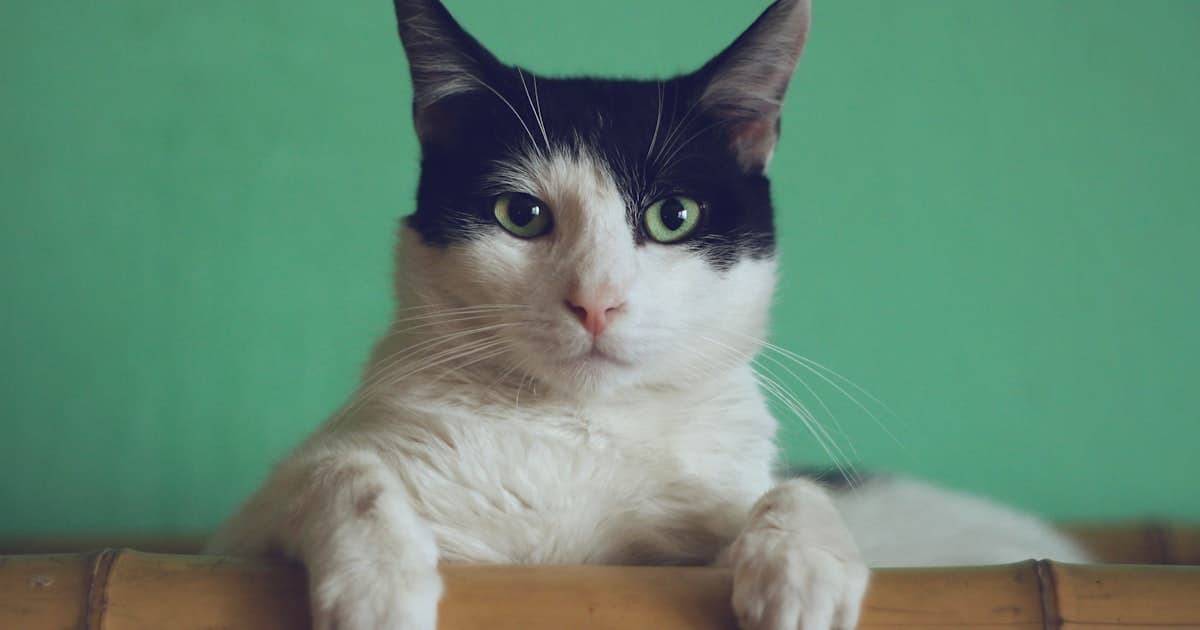
A cat's ears can rotate 180 degrees, and their position reveals a lot about your cat's emotional state. Forward-facing ears indicate an alert, interested cat who's feeling confident and curious. This is generally a safe time to approach and interact.
When the ears rotate sideways into what's often called "airplane ears," your cat is feeling anxious or irritated. This is a warning that they're becoming uncomfortable, and it's wise to give them space and remove whatever is causing stress.
Ears flattened back against the head are a clear signal to stay away. This cat is frightened or preparing to defend themselves, and approaching could result in scratching or biting. A cat showing this signal needs a quiet, safe space to calm down.
Reading the Eyes
One of the most beautiful forms of cat communication is the slow blink. When your cat looks at you and deliberately closes their eyes slowly, they're showing trust and affection. This "cat kiss" means they feel completely safe with you. Try slow blinking back - it's a wonderful way to strengthen your bond.
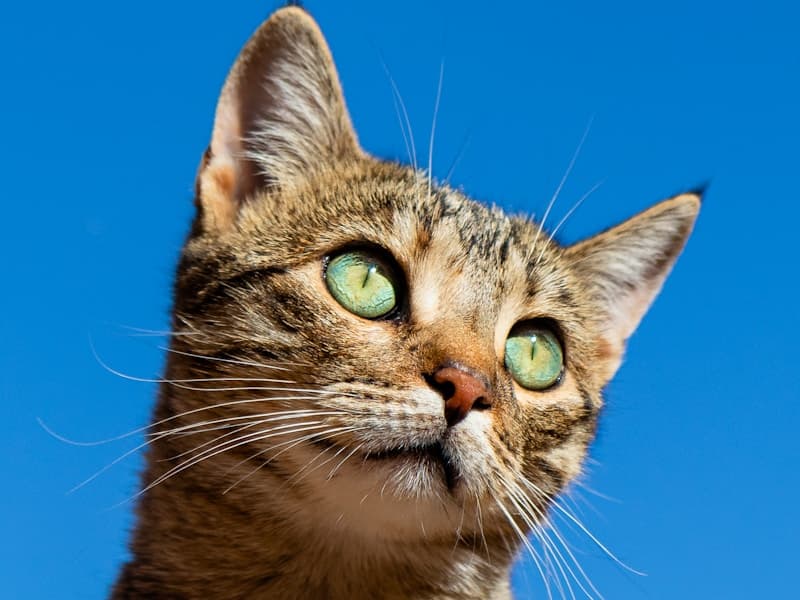
Pupil size can be trickier to interpret because it depends heavily on context. Dilated pupils might indicate excitement during play, but combined with flattened ears, they suggest fear. In low light, dilated pupils are simply normal. Narrow, constricted pupils in normal lighting often suggest intense focus or confidence, though combined with a fixed stare, they might indicate hunting mode or potential aggression.
Body Posture Tells the Story
A relaxed cat is a joy to observe. They might lie on their side or back with their belly exposed, though this isn't always an invitation to touch - many cats show their belly as a sign of trust but don't actually want it rubbed. A truly relaxed cat has a loose, soft body with no visible tension. Kneading with their paws is a comforting behaviour carried over from kittenhood, when they would knead their mother to stimulate milk flow.
A defensive or frightened cat looks quite different. They'll arch their back with hair standing on end, a response called piloerection. They often turn sideways to appear larger and shift their weight backward, ready to flee or defend themselves if necessary.
The classic "loaf" position, where your cat tucks all four paws beneath them, indicates a cat who's relaxed but alert - comfortable enough to rest but ready to move quickly if needed.
Why This Matters for Cattery Stays
Understanding your cat's body language becomes especially important when preparing for boarding. During cattery visits, observe how the cats already staying there behave - relaxed cats suggest a well-run facility. When preparing your own cat for their stay, you'll be better equipped to recognise if they're stressed about carriers or travel. And when you pick them up afterward, understanding their signals helps you support them through the adjustment period of returning home.
Good catteries employ staff trained to read these signals and respond appropriately to each cat's individual needs. When visiting potential catteries, watch how staff interact with the cats - they should be attentive to body language cues.
Building Trust Through Understanding
Never punish your cat for showing fearful behaviour - this only increases their anxiety. Instead, provide safe hiding spots when your cat shows stress signals, and let them approach you rather than forcing interaction. Use slow blinks to communicate safety and affection.
When you understand what your cat is telling you through their body language, you can better meet their needs and build a stronger, more trusting relationship. This understanding benefits both of you, whether you're at home together or preparing for time apart during a cattery stay.