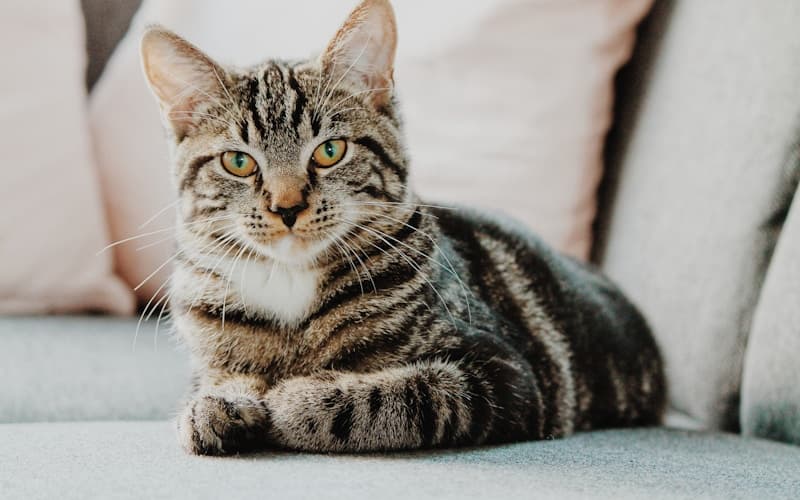
You pick up your cat from a week-long boarding stay, and the moment you lift the carrier, you notice it feels lighter. At home, when you run your hands along their sides, their ribs are more prominent. Your cat has visibly lost weight during boarding.
Before panic sets in, here's what you need to know: some weight loss during boarding is common and usually harmless—but there's a critical threshold where it becomes medically dangerous. The difference between "normal stress response" and "emergency vet visit" comes down to how much weight was lost, how quickly, and what happens in the 48 hours after coming home.
This guide explains exactly how much weight loss is normal during boarding, when it signals a serious problem like hepatic lipidosis (fatty liver disease), what recovery looks like, and how to prevent excessive weight loss during future boarding stays.
How Much Weight Loss Is Normal During Boarding?
Let's start with realistic expectations:
Normal Weight Loss (No Intervention Needed)
Amount: 3-7% of body weight over 7-14 days
What this looks like:
- 4kg cat loses 120-280g (roughly 4-10 ounces)
- 5kg cat loses 150-350g
- 6kg cat loses 180-420g
Why it happens:
- Stress-reduced appetite (eating 50-75% of normal intake)
- Increased activity/pacing (burning more calories)
- Different food at cattery (may eat less of unfamiliar food)
- Mild dehydration from drinking less than usual
Visual cues:
- Slightly more prominent ribs when palpated
- Hip bones feel slightly sharper
- Waistline appears more defined
- Cat still has normal energy levels
Timeline: Usually regains weight within 5-10 days of returning home
Action needed: Monitor eating at home, ensure fresh water available, no vet visit required unless other symptoms present
Concerning Weight Loss (Vet Checkup Recommended)
Amount: 8-12% of body weight over 7-14 days
What this looks like:
- 4kg cat loses 320-480g (11-17 ounces)
- 5kg cat loses 400-600g
- 6kg cat loses 480-720g
Why it's concerning:
- Suggests cat ate very little or nothing for extended periods
- Hepatic lipidosis can develop within 3-4 days of not eating
- Dehydration becomes significant
- Muscle mass loss begins
Visual cues:
- Ribs easily visible without palpation
- Prominent spine and hip bones
- Sunken appearance along flanks
- Reduced energy, sleeping more than usual
Timeline: May take 2-3 weeks to regain weight even with aggressive feeding
Action needed: Schedule vet appointment within 24-48 hours. Vet will assess for hepatic lipidosis, dehydration, and underlying illness.
Dangerous Weight Loss (Immediate Vet Emergency)
Amount: 13%+ of body weight, or any rapid weight loss in overweight cats
What this looks like:
- 4kg cat loses 520g+ (18+ ounces)
- 5kg cat loses 650g+
- 6kg cat loses 780g+
Why it's dangerous: Cats that do not eat for more than just a few days are at risk of potentially fatal hepatic lipidosis, especially if they were overweight or obese before boarding.
Visual cues:
- Skeletal appearance, ribs and spine prominent
- Severe muscle wasting along back legs
- Yellow tinge to skin/eyes/gums (jaundice—indicates liver failure)
- Extreme lethargy, weakness
- Vomiting, diarrhea, refusing food at home
Timeline: Without treatment, can progress to liver failure and death
Action needed: Emergency vet visit immediately. This is potentially life-threatening.
The Hepatic Lipidosis Danger: When Not Eating Becomes Fatal
Here's why weight loss during boarding can be more serious than weight loss from dieting:
What Is Hepatic Lipidosis?
Also called fatty liver disease, hepatic lipidosis occurs when cats stop eating and the body begins converting stored fat tissue to energy and nutrients, which overwhelms the liver's processing ability.
The liver becomes infiltrated with fat, stops functioning properly, and without aggressive treatment, this condition is fatal.
How Quickly Can It Develop?
Timeline:
- 3-4 days of not eating: Hepatic lipidosis can begin developing
- 7-14 days with minimal intake: High risk, especially in overweight cats
- A fatty liver can develop in as soon as two weeks with an appetite reduction of 50-75%
Who's Most at Risk?
High-risk cats:
- Overweight or obese cats (body condition score 7-9/9)
- Cats with pre-existing liver conditions
- Diabetic cats
- Cats who already had poor appetites before boarding
- Senior cats (8+ years)
Lower risk cats:
- Lean, healthy weight cats (body condition score 4-5/9)
- Young, healthy adults
- Cats who ate reasonably well during boarding (even if less than normal)
Warning Signs of Hepatic Lipidosis
- Jaundice: Yellow tinge to gums, eyes, skin
- Severe lethargy: Barely moving, unresponsive
- Vomiting: Especially bile (yellow/green liquid)
- Drooling or excessive salivation
- Weakness: Can't jump, stumbling
- Hepatic encephalopathy: Disorientation, seizures (advanced stage)
If you see jaundice, this is an immediate emergency. Do not wait.
Prognosis with Treatment
The good news: As many as 90% of cats with hepatic lipidosis can be expected to survive with aggressive treatment, though recovery takes an average of 6-7 weeks.
Treatment typically involves:
- Feeding tube placement (esophageal or gastric tube)
- Nutritional support with high-protein, high-calorie food
- IV fluids for hydration
- Medications to support liver function
- Anti-nausea medications
- Appetite stimulants
Cost: Treatment can run $1,500-$5,000+ in NZ, depending on hospitalization length and complications.
What Catteries Should Do (And Good Ones Already Do)
Reputable catteries have protocols to prevent dangerous weight loss:
48-Hour Monitoring
At around 48 hours, catteries may offer vetted alternatives like tuna, baby food, or special treats.
What quality catteries track:
- Daily food intake (weigh food offered vs. remaining)
- Water consumption
- Litter box usage (indicates hydration status)
- Weight checks for long-term stays (7+ days)
72-Hour Intervention
At 72 hours, catteries begin gentle hand-feeding.
Escalation protocols:
- Offer highly palatable foods (tuna, chicken baby food, Churu treats)
- Hand-feeding or syringe-feeding small amounts
- Isolate to quieter unit if noise/stimulation is the issue
- Contact owner to discuss situation
96-Hour Veterinary Involvement
What should happen:
- Vet assessment (on-site or transport to clinic)
- Appetite stimulants (mirtazapine, maropitant)
- Possible anti-nausea medication
- Discussion with owner about early pick-up vs. continued intervention
Red flag: If your cat boarded for 7+ days and cattery never mentioned eating issues, but cat comes home having lost significant weight, this suggests poor monitoring.
The First 48 Hours Home: Critical Recovery Window
What happens in the first two days after boarding determines whether your cat recovers quickly or needs medical intervention.
Hour 0-6: Immediate Assessment
When you pick up your cat:
✅ Ask cattery staff:
- How was their appetite during the stay?
- Did they eat every meal, or were there days of refusal?
- What food/treats did they accept?
- Any vomiting, diarrhea, or health concerns?
- When did they last eat?
✅ Observe your cat:
- Energy level (alert vs. lethargic)
- Body condition (run hands along sides, spine, hips)
- Hydration (gently pinch skin on scruff—should snap back immediately)
- Gum color (pink = good, pale/yellow = problem)
✅ Weigh your cat:
- Use home scale or vet scale
- Compare to pre-boarding weight if you have it
- Document for tracking recovery
Hours 6-24: Re-Feeding Protocol
Don't make these mistakes:
❌ Offering huge meal immediately After days of reduced intake, the digestive system needs gradual reintroduction.
❌ Forcing food This increases stress and can cause vomiting.
❌ Changing to new food Stick with familiar food for now; digestive system is sensitive.
✅ Correct approach:
Small, frequent meals:
- Offer 1/4 normal portion every 3-4 hours
- Use cat's favorite foods (not the time for diet food)
- Slightly warm food to enhance smell (appetite trigger)
High-value treats:
- Tuna, chicken, Churu/Inaba squeeze treats
- Baby food (chicken or turkey, no onion/garlic)
- Whatever your cat finds irresistible
Fresh water multiple locations:
- Several water bowls throughout house
- Consider cat water fountain (moving water encourages drinking)
- Add water to wet food for extra hydration
Hours 24-48: Progress Checkpoints
✅ Positive signs (keep monitoring at home):
- Eating at least 50% of normal intake
- Drinking regularly
- Normal urination and defecation
- Energy improving
- Seeking interaction, playing
⚠️ Warning signs (schedule vet visit):
- Refusing all food for 24+ hours post-boarding
- Vomiting any food offered
- No urination in 24 hours (dehydration)
- Extreme lethargy (sleeping 20+ hours, unresponsive)
- Weight continuing to drop
🚨 Emergency signs (immediate vet):
- Jaundice (yellow gums, eyes, skin)
- Collapse or inability to stand
- Seizures or disorientation
- Severe dehydration (skin stays tented when pinched)
Recovery Timeline: What to Expect
If your cat lost normal amounts of weight (3-7% body weight):
Days 1-3:
- Appetite returns to 70-90% of normal
- Energy improves
- Slight weight gain may begin (mostly water weight initially)
Days 4-7:
- Appetite back to 100%
- Steady weight gain (20-40g per day for average cat)
- Energy fully restored
Days 8-14:
- Return to pre-boarding weight
- Body condition normalized
- Back to normal routines
If your cat lost concerning amounts (8-12% body weight):
Week 1:
- Appetite may be slow to return (50-70% of normal)
- Weight gain slow or plateaued
- Energy below normal
Weeks 2-3:
- Appetite improves to 80-100%
- Steady weight gain resumes
- Energy normalizing
Weeks 3-4:
- Approaching pre-boarding weight
- May need 4-6 weeks total to fully recover
When to See the Vet
Schedule Routine Appointment If:
- Cat lost 8-12% body weight during boarding
- Appetite not improving by day 3 at home
- Weight continuing to drop post-boarding
- Vomiting or diarrhea for 24+ hours
- Drinking very little water
Emergency Vet Visit If:
- Cat lost 13%+ body weight
- Jaundice present (yellow gums, eyes, skin)
- Not eaten anything for 3+ days total (boarding + home)
- Extreme lethargy, weakness, collapse
- Overweight cat refuses food post-boarding
Why urgent for overweight cats: The chances of hepatic lipidosis occurring are greater if the cat was overweight or obese before the anorexia began.
Prevention Strategies for Future Boarding
Once your cat has recovered, prevent excessive weight loss next time:
Before Booking
✅ Choose catteries with appetite monitoring protocols
Ask during booking:
- "How do you track food intake?"
- "What's your protocol if a cat refuses food for 24/48/72 hours?"
- "Do you offer alternative foods for picky eaters?"
- "At what point do you contact owners about eating issues?"
Quality catteries have clear answers. Poor ones say "cats usually eat eventually."
✅ For high-risk cats, choose vet-led catteries
If your cat is overweight, senior, or had appetite issues during previous boarding, pay premium for cattery with veterinary oversight. The extra $10-15/night is cheap compared to $3,000 hepatic lipidosis treatment.
Pre-Boarding Preparation
✅ Gradual food transition (if cattery requires specific food)
2 weeks before boarding:
- Mix 25% cattery food with 75% home food (days 1-4)
- 50/50 mix (days 5-8)
- 75% cattery food, 25% home food (days 9-12)
- 100% cattery food (days 13-14)
Cat arrives at cattery already accustomed to the food = more likely to eat.
✅ Identify high-value emergency foods
Tell cattery: "If she refuses regular food, she'll always eat [specific treat/food]."
Provide a supply if possible (sealed pouch of favorite treats, can of favorite wet food).
✅ Trial boarding for first-timers
Before a 2-week holiday, do a 2-3 day trial boarding:
- Assess how cat handles stress
- Identify any appetite issues early
- Cattery staff learn cat's preferences
- Next long stay will be less stressful (familiar environment)
During Boarding
✅ Request updates
Especially for stays over 5 days:
- "Can you let me know how eating is going on day 3?"
- Some catteries send daily photo updates—you can see if food bowl is empty
- If appetite issues arise, you can authorize early intervention (premium foods, hand-feeding)
✅ Authorize appetite interventions in advance
Give cattery permission to:
- Offer premium treats/foods if regular food refused (you'll cover cost)
- Hand-feed if necessary
- Contact vet for appetite stimulants if not eating by 72 hours
This prevents delays waiting for your approval while on holiday.
Post-Boarding
✅ Weigh cat immediately upon return
Track weight loss so you know:
- If it's within normal range
- If intervention needed
- Baseline for future comparison
✅ Have recovery supplies ready
Before you leave for holiday, stock:
- Cat's favorite treats
- High-calorie wet food
- Tuna, chicken, baby food
- Appetite stimulants if prescribed by vet (mirtazapine for cats with history of boarding appetite loss)
Special Considerations for High-Risk Cats
Overweight/Obese Cats
Additional precautions:
Overweight cats are at the highest risk for hepatic lipidosis if they stop eating.
- Consider weight loss before boarding (get to healthy weight first)
- Choose only catteries with daily food intake tracking
- Authorize appetite stimulants proactively
- Keep stays under 7 days if possible
- Or use in-home pet sitter instead (less stress = more likely to eat)
Senior Cats (10+ Years)
Additional precautions:
Senior cats may have undiagnosed kidney disease, hyperthyroidism, or dental pain that worsens under stress.
- Pre-boarding vet checkup (bloodwork to rule out underlying conditions)
- Choose cattery with vet oversight
- Provide detailed medical history
- Request daily updates on eating/drinking
Cats with Previous Boarding Appetite Issues
If your cat has history of refusing food during boarding:
- Discuss appetite stimulants with vet before boarding
- Trial mirtazapine at home (see how cat responds)
- Bring prescription to cattery with instructions
- Authorize use proactively if cat refuses food 48+ hours
The Bottom Line
Weight loss during boarding exists on a spectrum:
3-7% loss = Normal stress response
- Monitor at home
- Usually recovers within a week
- No vet visit unless other symptoms
8-12% loss = Concerning, needs vet checkup
- Schedule appointment within 48 hours
- May need appetite stimulants or supportive care
- Recovery takes 2-4 weeks
13%+ loss or jaundice = Medical emergency
- Immediate vet visit
- High risk of hepatic lipidosis
- Requires aggressive treatment
The critical question isn't just "how much weight did they lose?" It's also "are they eating now that they're home?"
A cat who lost 10% body weight but immediately resumes eating at home will recover. A cat who lost 6% but continues refusing food at home needs urgent vet care.
Trust your instincts. If your cat seems "off" beyond just being thinner—lethargic, yellow-tinged, vomiting, weak—don't wait. Hepatic lipidosis progresses rapidly once it starts, but with aggressive treatment, 90% of cats survive.
Your cat came home from boarding thinner. With proper monitoring, gradual refeeding, and vet care if needed, they'll be back to their normal weight—and normal mischief—within 1-2 weeks.
Related Reading
- What Happens When Your Cat Won't Eat at the Cattery?
- Cat Behavior After Boarding: What to Expect
- Is Your Cat Ready for Boarding? Readiness Checklist
- Senior Cat Boarding in New Zealand: Complete Guide
Sources:
- Hepatic Lipidosis in Cats (Fatty Liver Syndrome) | VCA Animal Hospitals
- Hepatic Lipidosis | Cornell University College of Veterinary Medicine
- Hepatic Lipidosis in Cats (Fatty Liver Disease) | PetMD
- Hepatic Lipidosis If Cats Don't Eat - Veterinary Medicine at Illinois
- Hepatic Lipidosis in Cats - Veterinary Partner
- Caring for Cats That Refuse to Eat While Boarding
- Hepatic Lipidosis in Cats - BluePearl Pet Hospital
- The Skinny on Fatty Liver: Hepatic Lipidosis in Cats