What to Expect When Your Cat Comes Home From Boarding
You've just picked up Fluffy from the cattery. On the drive home, she's silent in her carrier – none of the usual chatty meowing. When you get inside and open the door, instead of rubbing against your legs like she used to, she slinks off to hide under the bed. Or maybe she won't leave you alone, following you from room to room with plaintive meows.
Either way, you're wondering: Is my cat okay? Is she mad at me? Did something happen at the cattery?
Take a breath. What you're seeing is completely normal, backed by science, and almost always temporary.
Quick Answer: Why Is My Cat Acting Weird After Boarding?
Your cat is readjusting to being home. Research shows cats become more socially engaged after separation from their owners – purring and stretching significantly more upon reunion. Most cats return to normal behaviour within 1-3 days as they settle back into familiar routines. What looks like resentment is actually your cat recalibrating their bond with you and their environment.
Worth knowing: about 65% of cats form secure attachments to their owners, similar to children and dogs. The "weird" behaviour you're seeing? That's attachment, not anger.
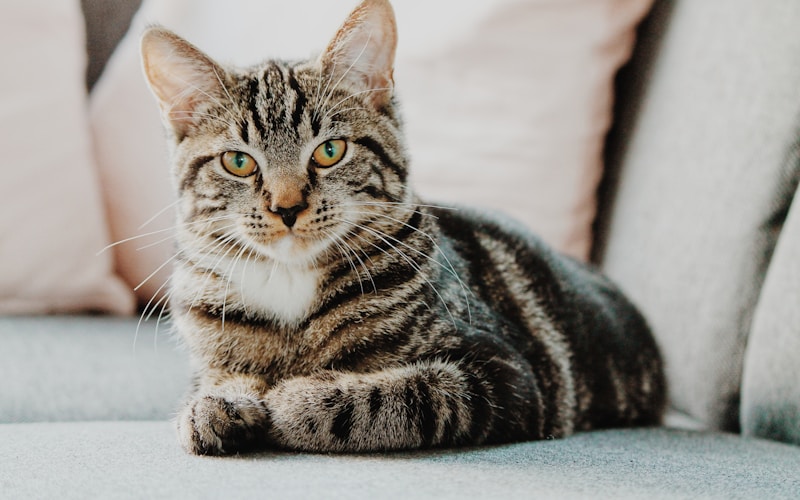 After boarding, cats need time to readjust to their home environment and reconnect with their owners
The Science Behind Reunion Behaviour
Here's something most boarding articles won't tell you: scientists have actually studied what happens when cats reunite with their owners.
A 2017 study published in PLOS One examined 14 cats separated from their owners for different durations. What they found challenges the "cats don't care about you" stereotype:
- Cats purred 5 times more after being apart for 4 hours versus 30 minutes
- Body stretching increased significantly after longer separations
- Owners naturally initiated more contact after extended time apart, creating a positive feedback loop
The researchers called this a "rebound of contact-seeking behaviour" – your cat's way of re-establishing your bond. So when your cat seems clingy after boarding, that's actually proof they missed you.
On the flip side, some cats need space first. Research on boarding catteries found that stress levels peak in the first few days of boarding, then gradually decline. Your cat's just been through a big environmental change – twice. Home to cattery, then cattery back to home. Give them a minute.
What's Normal: Common Behaviours in the First 48 Hours
Every cat's different, but these are the behaviours you're most likely to see when your cat first gets home:
Acting Distant or Aloof
Your usually affectionate cat walks straight past you and hides. She won't make eye contact. When you try to pet her, she moves away.
Why it happens: Cats are creatures of routine, and boarding disrupts both their environment and their bond with you. They're not punishing you – they're processing the change. Some cats need to re-familiarise themselves with their home territory before they can relax with you again.
What to do: Don't force interaction. Let your cat explore at their own pace. They'll come to you when they're ready, usually within 24-48 hours.
Extra Sleepy or Lethargic
Your cat sleeps most of the day, barely moving even for meals.
Why it happens: Good catteries keep cats engaged with play, social time, and environmental enrichment. Your cat might genuinely be tired from all that stimulation. Also, cats often rest less during boarding due to the unfamiliar environment, so they're catching up on lost sleep.
What to do: Let them rest. As long as they're eating, drinking, and using the litter box normally, extra sleep is fine for the first few days.
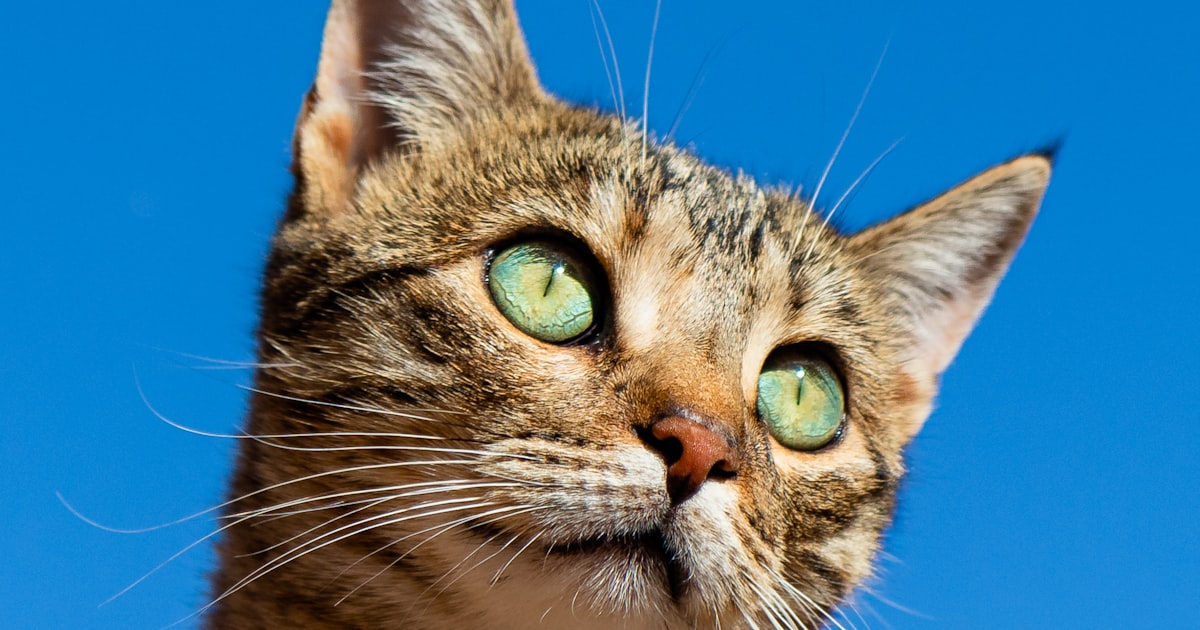 Many cats sleep more after boarding as they recover from the stimulation and catch up on rest
Overly Clingy or Vocal
Your independent cat now follows you everywhere, crying when you leave the room. She might sleep on your pillow, sit on your laptop, or paw at the bathroom door.
Why it happens: Separation anxiety is common after boarding, especially if your cat has a secure attachment to you. They're making sure you're not going to disappear again. The increased vocalisation is your cat communicating their need for reassurance.
What to do: Give them the attention they're asking for, but also maintain your normal routine. The quicker you return to regular patterns (work schedule, meal times, play sessions), the faster they'll feel secure again.
Changes in Appetite
Your cat either inhales their food like they've never been fed, or picks at it disinterestedly.
Why it happens: Many cats eat less during boarding due to stress or different food schedules. When they get home, they're making up for lost calories. Conversely, some cats feel overwhelmed by the transition and need a day to regain their appetite.
What to do: Offer familiar food in small portions. Don't panic if they skip a meal or two, but monitor that they're eating something within 24 hours.
Mild Digestive Upset
Soft stools or occasional vomiting in the first day home.
Why it happens: A combination of different water, excitement, and dietary changes (even if the cattery used the same brand, stress can affect digestion). This is usually benign "excitement colitis."
What to do: Ensure fresh water is available. If it persists beyond 48 hours or there's blood in the stool, call your vet.
Timeline: When to Expect Things to Normalise
Here's the realistic roadmap based on veterinary advice and boarding facility observations:
First 24 Hours: The Transition Phase
Expect your cat to seem "off." They might hide, sleep excessively, or be unusually clingy. Appetite might be weird. This is peak readjustment time.
What's normal: Hiding, excessive sleep, reduced appetite, mild digestive issues, clinginess, or aloofness.
Red flag: Complete refusal of food or water, vomiting more than twice, bloody diarrhoea, or laboured breathing.
Days 2-3: The Settling Phase
Most cats start showing glimpses of their normal personality. Behaviour changes typically resolve within "a few days" according to boarding experts. You'll see more normal eating, less hiding, and increased interaction.
What's normal: Still a bit clingy or cautious, but responding to play, eating regularly, and showing interest in normal activities.
Red flag: No improvement from day 1, worsening behaviour, or new symptoms appearing.
After One Week: Back to Normal
By now, your cat should be fully back to their regular self. If they're not, it's time to check in with your vet. Long-term changes in behaviour after boarding can indicate something else going on – either something that happened during boarding (though rare with quality catteries), or an underlying health issue that coincidentally appeared during that time.
How to Help Your Cat Readjust: Practical Steps
You can't force your cat to feel comfortable, but you can create conditions that help them settle faster:
1. Don't Force Interaction
When you pick up your cat, resist the urge to smother them with affection. Let them come to you. Forced cuddling when they're overstimulated will only delay their return to normal.
Try this instead: Sit in the same room as your cat, doing something quiet (reading, working on your laptop). Let them approach on their terms.
2. Maintain Your Normal Routine
Cats rely on predictable routines for security. Feed at the usual times. Keep your work or sleep schedule consistent. Play with them at the same time you always do.
The faster things feel "normal," the faster your cat will relax.
3. Bring Out Familiar Items
Your cat's favourite blanket, a worn T-shirt that smells like you, or their preferred toy can provide comfort. These scent anchors help them feel more secure.
4. Create a Quiet Space
If your cat wants to hide, let them. Make sure they have a safe, quiet spot (under the bed, in a closet, inside their carrier with the door open) where they can decompress without being disturbed by kids, other pets, or household activity.
5. Use the Litter Box and Food as Anchors
Place your cat's litter box and food bowls in their usual spots immediately. Even if they don't use them right away, the familiarity signals "you're home."
6. Consider Calming Aids (For Extreme Cases)
If your cat is truly distressed, you might try Feliway diffusers (synthetic cat pheromones) or ask your vet about short-term calming supplements. But honestly, time and routine usually do the trick.

What Your Cat's Behaviour Actually Means (It's Not Resentment!)
Let's clear this up: your cat doesn't hate you because you went on holiday.
Cats don't hold grudges the way humans do. They don't sit in the cattery plotting revenge. What they do experience is:
- Stress from environmental change: Boarding introduces new sights, sounds, smells, and routines
- Disruption of their bond with you: Research shows cats form secure attachments to their owners
- Territorial instability: Coming home means re-establishing their territory (which might now smell different or have been altered)
When your cat acts aloof, they're not giving you the cold shoulder – they're reorienting. When they're clingy, it's not manipulation – it's reassurance-seeking.
The SPCA notes that even cats moving to a new home permanently need time to adjust. Your cat isn't moving permanently, but the principle's the same: environmental change requires mental adjustment.
When to Worry: Red Flags That Need a Vet
Most post-boarding behaviour is harmless and temporary. But sometimes, what looks like normal readjustment is actually a health issue. Call your vet if you see:
- No eating or drinking for 24+ hours: Cats can develop hepatic lipidosis (fatty liver disease) quickly if they stop eating
- Vomiting more than 2-3 times: Could indicate ingestion of something harmful or illness
- Bloody diarrhoea or straining in the litter box: Potential infection or gastrointestinal issue
- Laboured breathing or coughing: Could be kennel cough (yes, cats can get it) or respiratory infection
- Aggressive behaviour towards you or other pets: If your normally gentle cat is hissing, swatting, or biting, something's wrong
- No improvement after 5-7 days: Extended behavioural changes warrant investigation
Also worth noting: if your cat came home with scratches, bites, or injuries that the cattery didn't mention, document them and contact both the cattery and your vet. Reputable facilities following SPCA boarding standards should report any incidents.
Preventing Difficult Readjustments in the Future
Once you've been through this once, you'll know what to expect. But there are things you can do before the next boarding stay to make reunions smoother:
-
Choose the right cattery: Our guides to choosing a cattery and what to look for during inspections can help you find facilities that minimise stress
-
Prepare your cat properly: Preparing your cat for boarding with carrier training and familiarisation visits makes a huge difference
-
Bring familiar items: A blanket that smells like home, your cat's favourite toy, or even a worn T-shirt can provide comfort
-
Keep stays short at first: If your cat's never been boarded, consider a trial weekend before a two-week holiday
-
Consider alternatives for anxious cats: Some cats truly struggle with boarding. For these individuals, in-home pet sitters might be worth the extra cost
-
Update vaccinations and health checks: A healthy cat with current vaccinations will have an easier time, and you'll have peace of mind
FAQ: Common Questions About Cats After Boarding
How long will my cat be mad at me after boarding?
Your cat isn't actually mad at you – they're readjusting. Most cats return to normal within 1-3 days. The behaviour you're seeing (aloofness, clinginess) is about stress management and reestablishing routine, not anger or punishment.
Why is my cat ignoring me after I picked her up from the cattery?
Cats process environmental changes by retreating and observing. Your cat needs time to re-establish her territory (your home) and recalibrate her bond with you. This is especially common in cats with independent personalities. Give her space and she'll come around.
My cat is hiding and won't come out. Should I force her out?
No. Hiding is a healthy coping mechanism for cats. Make sure she has access to food, water, and a litter box near her hiding spot, then leave her alone. Most cats emerge within 12-24 hours once they feel secure.
Can boarding traumatise my cat?
Quality catteries that meet New Zealand welfare codes and follow best practices rarely cause trauma. That said, some anxious cats find boarding deeply stressful. If your cat shows extreme, prolonged distress (not eating for days, self-harm, complete personality change), consult your vet and consider in-home care next time.
Is it normal for my cat to be extra hungry or thirsty after boarding?
Yes. Many cats eat and drink less during boarding due to stress or changes in routine. When they get home, they compensate by eating or drinking more. As long as they're not vomiting or having diarrhoea, this is fine.
My cat came home and is now hissing at my other cat. Why?
Your cat smells different after being in the cattery – other cats, different litter, cleaning products. Your other cat might not immediately recognise them. This usually resolves within a day or two as the "strange" smell fades. You can speed this up by wiping both cats with the same towel to blend their scents.
Should I take my cat to the vet after boarding?
Only if you see red flags (listed above) or if your cat isn't improving after 5-7 days. Normal post-boarding behaviour doesn't require veterinary intervention.
Summary: What to Remember
What's happening: Your cat is readjusting to being home after a significant environmental change. Research shows cats actually become more socially engaged after separation, not less – even if it doesn't look that way at first.
How long it takes: Most cats return to normal within 1-3 days. A full week is not unusual for particularly sensitive cats.
What to do: Maintain normal routines, don't force interaction, provide quiet spaces, and ensure access to familiar food, water, and litter boxes.
When to worry: No eating/drinking for 24+ hours, vomiting, bloody diarrhoea, breathing problems, aggression, or no improvement after a week.
The good news: This is temporary. Your cat will forgive you for the holiday (they were never actually mad), settle back into their routines, and go back to being their normal, lovable self.
And next time you board them, you'll know exactly what to expect.
Found this helpful? Check out our other guides:
- First time boarding your cat? Here's everything you need to know
- How to prepare your cat for their cattery stay
- The science of cat stress during boarding
- Finding the right cattery in NZ
Sources
- Cats and owners interact more with each other after a longer duration of separation - PLOS One
- Cats are securely bonded to their people, too - Science Daily
- Stress and adaptation of cats housed in boarding catteries - Cambridge University Press
- 5 Common issues after your pet returns home from boarding - Friendship Veterinary Hospital
- 4 Behavior Changes After Boarding Cats and Dogs - Firehouse Pet Resort
- Why Is My Cat Acting Strange After I Come Home From Vacation? - Chewy
- Boarding Establishments - SPCA New Zealand
- Bringing your new cat home - SPCA New Zealand
- Code of Welfare: Companion Cats - NZ Government
- Common Issues After Your Pet Returns from Boarding - Betty Baugh's Animal Clinic
- Taking your cat to the vet - International Cat Care