You wouldn't send an introverted person to a loud party and expect them to have a good time. The same logic applies to your cat. A shy, anxious feline thrust into a bustling communal cattery? That's a recipe for stress. Meanwhile, a social butterfly stuck in complete isolation might feel lonely and understimulated.
Here's what most cat owners don't realize: your cat's personality is just as important as the cattery's star rating when it comes to a positive boarding experience. A five-star facility with all the bells and whistles might be perfect for one cat and utterly wrong for another.
This guide will help you understand your cat's unique personality type and match them to the cattery features that'll make their stay comfortable rather than stressful. We'll be using established feline behavioral science—not guesswork—to find the right fit.
Why Cat Personality Matters for Boarding Success
Research from the University of South Australia studying 2,802 cats across Australia and New Zealand identified five distinct personality traits that influence how cats respond to new environments. This framework, called the Feline Five, has become the gold standard for understanding cat behavior.
The difference between a cat who settles in quickly and one who remains stressed throughout their stay often comes down to environment-personality mismatch. A 2019 study published in Applied Animal Behaviour Science found that cats with higher neuroticism scores (essentially, more anxious cats) showed significantly elevated cortisol levels when boarding in environments without adequate hiding spaces and quiet areas.
Translation? Putting an anxious cat in the wrong cattery doesn't just make them uncomfortable—it triggers a genuine stress response that can affect their health. On the flip side, matching personality to environment can reduce boarding stress by up to 60%.
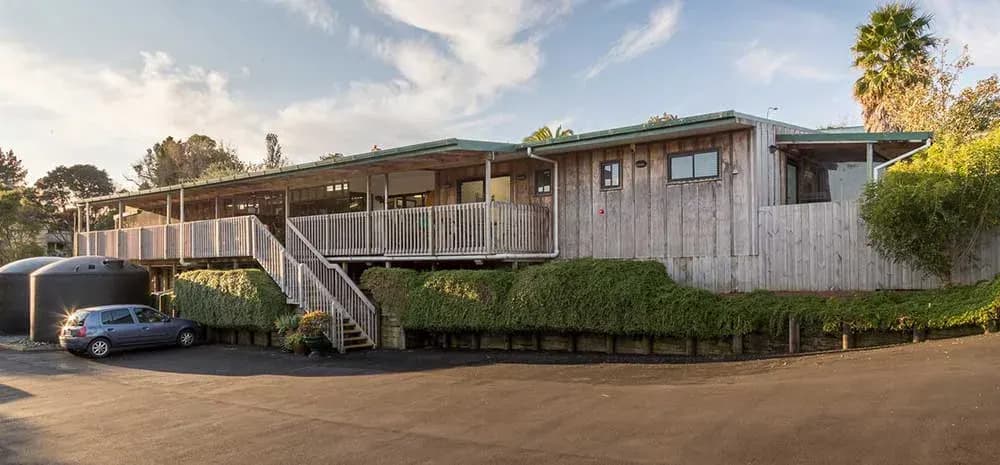
New Zealand catteries are increasingly recognizing this. Facilities like Catsablanca Boarding Cattery in Auckland explicitly design their accommodation "for introverts and extroverts alike," offering both semi-communal rooms for social cats and private rooms for shy felines or family groups.
The Feline Five: Understanding Your Cat's Personality Type
Before you can match your cat to the right cattery, you need to understand their personality. The Feline Five framework identifies five key personality traits that exist on a spectrum. Most cats will score high in some areas and low in others, creating a unique personality profile.
1. Neuroticism (Anxious vs. Calm)
This measures your cat's baseline anxiety level and how they respond to new situations.
High Neuroticism (Anxious cats):
- Startle easily at sudden noises
- Hide when strangers visit
- Take a long time to warm up to new environments
- May show signs of stress (excessive grooming, loss of appetite)
- Prefer routine and predictability
Low Neuroticism (Calm cats):
- Adapt quickly to changes
- Rarely seem stressed or worried
- Confident in new situations
- Maintain normal eating and grooming habits even when things change
2. Extraversion (Social vs. Aloof)
This measures how much your cat seeks out social interaction with humans and other cats.
High Extraversion (Social cats):
- Greet visitors at the door
- Follow you from room to room
- Actively seek out petting and attention
- Enjoy being around people
- May vocalize to get attention
Low Extraversion (Aloof cats):
- Prefer to observe from a distance
- Interact on their own terms
- Don't particularly seek out human attention
- Independent and self-contained
- Comfortable being alone
3. Dominance (Assertive vs. Submissive)
This measures how assertive your cat is with other animals and in their environment.
High Dominance (Assertive cats):
- Stand their ground in conflicts
- Don't back down from other cats
- May be territorial
- Confident claiming spaces and resources
- First to investigate new things
Low Dominance (Submissive cats):
- Back down when confronted
- Defer to other cats
- May be bullied by more assertive cats
- Cautious and non-confrontational
4. Impulsiveness (Spontaneous vs. Controlled)
This measures your cat's activity level and tendency toward erratic behavior.
High Impulsiveness (Spontaneous cats):
- Sudden bursts of energy (zoomies)
- Unpredictable behavior
- Quick to react
- High prey drive
- Easily excited or overstimulated
Low Impulsiveness (Controlled cats):
- Measured, deliberate movements
- Predictable routines
- Calm and steady demeanor
- Less reactive to stimuli
5. Agreeableness (Friendly vs. Irritable)
This measures your cat's tolerance and friendliness toward handling and interaction.
High Agreeableness (Friendly cats):
- Tolerant of handling
- Rarely scratch or bite
- Patient with grooming and vet care
- Generally good-natured
- Adapt well to different people
Low Agreeableness (Irritable cats):
- Quick to show displeasure (hissing, swatting)
- Limited tolerance for handling
- Specific about how and when they like to be touched
- May have a shorter fuse
How to Assess Your Cat's Personality
You probably already have a good sense of your cat's personality from living with them, but it helps to be systematic. Here are three approaches:
The Quick Assessment
Answer these questions honestly:
- When a stranger comes to your home, does your cat approach them or hide?
- How does your cat react to changes in routine (moving furniture, new food, different schedule)?
- Does your cat seek out your attention or prefer to be left alone?
- How does your cat behave around other cats (if you've observed this)?
- How tolerant is your cat of being held, groomed, or handled?
Your answers will give you a rough personality profile. A cat who hides from strangers, struggles with routine changes, and doesn't seek attention is likely high in neuroticism, low in extraversion, and possibly low in dominance.
The Fe-BARQ Assessment
For a more detailed assessment, veterinary behaviorists use the Fe-BARQ (Feline Behavioral Assessment and Research Questionnaire), which contains about 100 questions covering different behavioral scenarios. While the full assessment is typically administered by professionals, you can find simplified versions online that give you a good personality overview.
Observe During Vet Visits
How your cat behaves at the vet clinic can be remarkably telling. The journey to an unfamiliar place, the presence of other animals, and handling by strangers creates a mini-preview of the boarding experience.
- Does your cat freeze in fear or explore the exam room?
- Are they aggressive, defensive, or relatively tolerant?
- How quickly do they recover afterward?
This real-world stress test provides valuable data about how they might handle boarding.
Matching Personality Types to Ideal Cattery Features
Now for the practical bit: what features should you look for based on your cat's personality? Let's break it down by the most common personality combinations.
The Anxious Introvert (High Neuroticism, Low Extraversion)
Personality profile: Your cat hides when guests visit, takes weeks to warm up to new situations, and prefers quiet solitude. They're the cat who has one favorite hiding spot and spends 80% of their time there.
Ideal cattery features:
-
Individual, enclosed units – Absolutely essential. Communal catteries or units with open fronts will keep them in a constant state of stress. Look for facilities like Qualified Pet, which offers "private, individual suites designed for calm, low-stress stays."
-
Multiple hiding spaces – They need options. Counties Kennel & Cattery features "toys, cat trees, hiding spaces" in their three dedicated rooms, while Northlands Animal Care provides "hidey-hole beds with soft bedding."
-
Quiet location – Ask about proximity to barking dogs or high-traffic areas. Some catteries have dedicated quiet zones specifically for anxious cats.
-
Minimal handling – Look for catteries that respect each cat's comfort level. Staff should be trained to let nervous cats come to them rather than forcing interaction.
-
Consistent routine – Feeding, cleaning, and care should happen at the same times each day. Predictability reduces anxiety.
-
Option to bring familiar items – Your cat's blanket, a worn t-shirt with your scent, or their favorite toy can provide enormous comfort. Most NZ catteries allow this; always confirm.
Red flags to avoid:
- "Socialization playtime" policies where all cats are encouraged to interact
- Open-plan or communal sleeping arrangements
- Catteries attached to busy grooming salons or noisy kennels
- Facilities that don't allow hiding spaces (some older catteries have a "no boxes" policy)
The Social Butterfly (Low Neuroticism, High Extraversion)
Personality profile: Your cat greets every visitor, follows you everywhere, and actively seeks out attention. They're confident, outgoing, and genuinely enjoy human interaction.
Ideal cattery features:
-
High staff interaction – This is crucial. Research shows that for social cats, human interaction is the most preferred form of enrichment—more than toys, more than other cats. Ask about staff-to-cat ratios and how much individual attention each cat receives.
-
Enrichment programs – Look for catteries that offer play sessions, training activities, or interactive feeding. Catz at Ashwood provides "spaces and activities to suit every personality" with "hideaways" on multi-level cat trees and stimulation options.
-
Semi-communal options for multi-cat households – If you have multiple cats from the same household who get along, facilities like Catsablanca offer "semi-communal rooms for mature cats who like socializing," which can reduce loneliness.
-
Visual stimulation – Windows overlooking gardens, bird feeders, or activity areas keep social cats entertained. They're less likely to settle for staring at a blank wall.
-
Multiple daily check-ins – More frequent visits from staff throughout the day, not just at feeding times.
Questions to ask:
- "How much time does staff spend interacting with each cat daily?"
- "Do you offer play sessions or enrichment activities?"
- "Can I pay for extra attention or playtime?"
- "What's the staff-to-cat ratio during the day?"
Red flags:
- Minimal staff presence (cats fed and cleaned only)
- No enrichment beyond food and litter
- Staff who seem overwhelmed or rushed
- Facilities that house so many cats that individual attention is impossible
The Confident Explorer (Low Neuroticism, High Impulsiveness)
Personality profile: Your cat is bold, curious, and has bursts of high energy. They're the ones doing parkour off the furniture at 3 AM and investigating every corner of the house.
Ideal cattery features:
-
Vertical space – Cat trees, shelves, multiple levels. These cats need to climb and explore. Purrville specifically mentions "boxes, hiding spaces" and enrichment features in their accommodation.
-
Larger enclosures – Space to move, jump, and burn energy. Ask about enclosure dimensions—anything under 2 square meters might feel cramped for an active cat.
-
Secure outdoor access (if available) – Some NZ catteries offer individual outdoor runs. For high-energy cats, this can be a game-changer.
-
Interactive toys and rotation – Puzzle feeders, balls, wand toys. Ideally, the cattery rotates toys every few days to maintain novelty.
-
Structured playtime – Daily play sessions help burn off energy and prevent boredom.
Important note: High impulsiveness can sometimes mean escape artist tendencies. Make sure the cattery has excellent security (double-door entry systems, secure latches, staff trained in cat behavior).
The Territorial Boss (High Dominance, Low Agreeableness)
Personality profile: Your cat is assertive, possibly aggressive with other cats, and has a low tolerance for things they don't like. They're the cat who rules the household and doesn't take nonsense from anyone.
Ideal cattery features:
-
Completely separate accommodation – Non-negotiable. These cats cannot handle seeing, smelling, or hearing other cats in their space. Look for individual units with solid dividers, not just wire fencing.
-
No communal anything – No shared play areas, no "socialization time," nothing. Even visual contact with other cats can be stressful.
-
Experienced staff – Handling assertive or aggressive cats requires skill. Ask about staff training in feline behavior and how they handle difficult cats.
-
Clear handling protocols – The cattery should assess your cat's tolerance and adjust care accordingly. Some cats are fine with staff but not other cats; this needs to be respected.
-
Quiet, low-stimulation environment – These cats are already on alert. A calm environment reduces the likelihood of aggressive behavior.
Questions to ask:
- "How do you accommodate cats who are aggressive toward other cats?"
- "Are units completely separate, or can cats see each other?"
- "What's your protocol if my cat shows aggression toward staff?"
- "Have you boarded aggressive or territorial cats before?"
The Easygoing Moderate (Balanced across all traits)
Personality profile: Your cat is adaptable, generally friendly, and neither extremely anxious nor highly energetic. They're the Goldilocks of cats—comfortable in most situations.
Ideal cattery features:
These lucky cats are the most flexible. Almost any good-quality cattery will work, but you still want to ensure:
- Clean, well-maintained facilities – Basic hygiene and comfort standards
- Reasonable enrichment – Toys, hiding spaces, vertical options
- Regular staff interaction – Daily check-ins and monitoring
- Individual or small-group housing – Either works, depending on the cat's preference
This personality type gives you the most options, which means you can prioritize other factors like location, price, or specific amenities.
What to Ask Catteries: The Personality-Based Checklist
When you visit or call catteries, use these questions to assess personality-environment fit:
For All Personality Types:
- What's the layout of the accommodation? (Individual vs. communal)
- How much hiding space is available in each unit?
- Can I bring items from home?
- What's your daily routine for feeding, cleaning, and interaction?
- How do you monitor cats for stress or health issues?
For Anxious Cats Specifically:
- Do you have quiet zones away from high-activity areas?
- What's your policy on handling cats who are nervous or hiding?
- Can my cat stay in their unit the entire time without being moved?
- How do you minimize stress during cleaning times?
For Social Cats Specifically:
- How much time does each cat get with staff daily?
- Do you offer enrichment activities or play sessions?
- What's included in the standard care, and what costs extra?
- Can I pay for additional interaction or attention?
For Assertive/Aggressive Cats:
- Have you boarded cats with aggression or territorial behavior before?
- How are units separated? (Visual, sound, scent barriers)
- What's your protocol if my cat shows aggression?
- Is staff trained in safe handling of difficult cats?
Red Flags: When a Cattery Isn't the Right Fit
Sometimes the mismatch is obvious. Here's when to walk away:
-
They don't ask about your cat's personality – A good cattery should be gathering information about temperament, not just vaccination records.
-
One-size-fits-all approach – If they claim "all cats do fine here," they're not paying attention to individual needs.
-
They dismiss your concerns – If you say "my cat is very anxious" and they respond with "oh, they'll be fine," that's a problem. Your knowledge of your cat should be respected.
-
No flexibility in care – Rigid policies that don't accommodate different personality types suggest a lack of understanding about feline behavior.
-
Overcrowding – If the facility feels chaotic, smells unpleasant, or has cats crammed into small spaces, your cat's personality won't matter—it'll be stressful regardless.
Preparing Your Cat for Boarding Based on Personality
Once you've found the right match, preparation can make the transition smoother:
For Anxious Cats:
- Schedule a pre-boarding visit if possible (some catteries allow this)
- Use Feliway or similar pheromone products at home before departure
- Bring multiple familiar-smelling items
- Consider a shorter trial stay before a long booking
- Ask about calming supplements (consult your vet first)
For Social Cats:
- Tire them out with extra play before drop-off
- Provide a list of their favorite games or interactions for staff
- Consider booking extra playtime if available
- Prep them with positive carrier training beforehand
For Energetic Cats:
- Pack their favorite interactive toys
- Provide feeding puzzle ideas for staff
- Ensure adequate exercise before boarding
- Ask about outdoor access if they're used to it
For Territorial Cats:
- Bring strongly scented items (your worn clothing)
- Provide detailed handling instructions
- Be honest about aggression triggers
- Give the cattery a heads-up about any specific dislikes
The Bottom Line: Personality Match Matters More Than You Think
The difference between a cat who tolerates boarding and one who thrives during it often comes down to personality-environment match. A fancy cattery with luxury amenities means nothing if the environment doesn't suit your cat's temperament.
Here in New Zealand, we're fortunate to have catteries that increasingly recognize this. Facilities like Catsablanca, Counties Kennel & Cattery, and Catz at Ashwood are actively designing their spaces around different personality types—not just aesthetics.
Your job as a cat owner is to:
- Honestly assess your cat's personality (not what you wish it was, but what it actually is)
- Match that personality to cattery features that support their needs
- Ask the right questions to confirm the fit
- Prepare your cat appropriately for their stay
Get this right, and boarding becomes a neutral or even positive experience rather than a traumatic one. Your anxious cat will have a quiet haven to retreat to. Your social butterfly will get the attention they crave. Your energetic explorer will have space to move. And your territorial boss will have their own kingdom with no rivals in sight.
That's not just better for your cat's stress levels—it's better for their health, behavior, and your peace of mind while you're away.
Frequently Asked Questions
Can a cattery really make that much difference for an anxious cat?
Absolutely. A study published in the Journal of Veterinary Behavior found that environmental modifications (hiding spaces, reduced sensory stimulation, individual housing) reduced cortisol levels in anxious cats by an average of 45% during boarding. The right environment doesn't just make your cat more comfortable—it reduces their physiological stress response.
What if my cat's personality changes when they're stressed?
This is common. A normally friendly cat might become withdrawn, or a calm cat might become aggressive. When assessing personality for boarding purposes, consider how your cat behaves during stressful situations (vet visits, house guests, travel) rather than their baseline home behavior. That's the personality the cattery will need to accommodate.
Should I choose a cattery that houses only one or two cats at a time?
Not necessarily. Small boutique catteries can be excellent, especially for anxious or territorial cats, but size alone doesn't determine quality. A well-designed larger facility with proper separation can be better than a small cattery with poor enrichment. Focus on how the space is used and how cats are separated, not just total capacity.
My cat is fine with our other cats at home. Does that mean they'd do well in a communal cattery?
Not always. Cats who get along with familiar cats they've lived with for months or years may still be stressed by unfamiliar cats in a new environment. Unless your cat has demonstrated friendliness toward strange cats (which is actually quite rare), individual accommodation is safer for short-term boarding.
What if I can't find a cattery that matches my cat's personality in my area?
In rural areas with limited options, look for the cattery that offers the most flexibility. A facility willing to adjust care based on your cat's needs—even if they don't advertise personality-specific features—can work well. Provide detailed information about your cat's temperament and specific requests (extra hiding spots, minimal handling, etc.). Most catteries are happy to accommodate reasonable requests.
Is it worth paying more for personality-matched features?
In most cases, yes. The cost difference between a basic cattery and one with better personality-environment fit is usually $5-15 per day. For an anxious cat, the reduction in stress is worth far more than the extra cost. Stress during boarding can lead to reduced appetite, illness, or behavioral issues that persist after you return—all of which are far more expensive and distressing than paying a bit more upfront.
Can I use personality assessments like the Feline Five at home?
Simplified versions exist online, but the full Fe-BARQ assessment is typically administered by veterinary behaviorists or researchers. That said, you don't need a formal assessment to understand your cat's general temperament. The questions in this guide will give you enough information to make good cattery decisions.
My cat has never been boarded before. How do I know what personality they'll show?
Look at analogous situations: vet visits, house guests, moving house, travel in a carrier, or any time they've been outside their normal environment. These stressors activate similar responses to boarding. If your cat hides during all of these, they'll likely be anxious during boarding. If they're curious and adapt quickly, they'll probably do the same at a cattery.
Finding the right cattery isn't about luxury—it's about fit. When you match your cat's unique personality to the right environment, boarding becomes something you both can handle without the stress.
Sources:
- Catsablanca Boarding Cattery
- Northlands Animal Care Hospital - Cattery
- How to Choose a Cattery in New Zealand: The Complete Guide | PawSpot
- Cat Boarding Cattery Auckland NZ - Qualified Pet
- Counties Kennel & Cattery | Cat Boarding in Auckland | PawSpot
- Cattery in Howick – 5-Star Cat Care in Auckland You Can Trust
- Purrville