First Time Boarding Your Cat in NZ? Everything You Need to Know
Got a holiday coming up and wondering what to do with your cat? You're not alone. With cat ownership at 32.1% of households globally and the pet boarding market on track to hit $14.02 billion by 2030, more Kiwi cat owners than ever are turning to professional boarding facilities in 2026.
But if you've never boarded your cat before, the whole process can feel overwhelming. Will they be okay? What should you look for in a cattery? How do you stop your anxious moggy from freaking out?
Let's walk through everything you need to know.
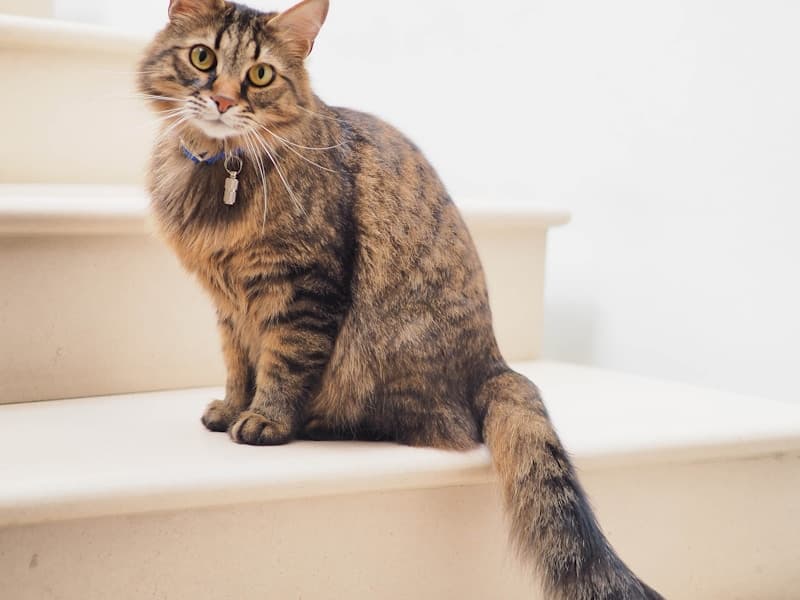
 A calm, comfortable environment helps cats settle during boarding
Quick Answer: Is Cat Boarding Right for Your Cat?
Yes, most cats adapt well to boarding, especially when you choose the right facility and prepare them properly. While some anxiety is normal for the first 2-3 days, research shows cats can board comfortably for anything from a weekend to several months with proper care. The key is finding a quality cattery that meets New Zealand's Code of Welfare standards and preparing your cat properly beforehand.
Understanding Cat Boarding in New Zealand
What Actually Is a Cattery?
A cattery is basically a hotel for cats. Unlike leaving your cat with a friend or hiring a house-sitter, catteries are purpose-built facilities designed specifically for feline guests. They're staffed by people who know cats, they're set up to keep your pet safe and comfortable, and in New Zealand, they must comply with government welfare codes.
The Code of Welfare: Temporary Housing of Companion Animals sets out minimum standards for everything from cage sizes to temperature control. That said, not all catteries are created equal – we'll get to what you should look for in a minute.
How Long Can Cats Stay at a Cattery?
Here's the good news: there's no hard limit. While most bookings are for 1-2 weeks (think family holidays), cats can stay much longer if needed.
Some catteries host long-term guests for months at a time – whether it's someone building a house, finishing a degree overseas, or snowbirds heading to Queensland for winter. One facility even shared stories of cats staying up to 9 months while their owners were abroad.
The key isn't the length of stay – it's the quality of the facility and how well your cat adapts.
What to Look for in a New Zealand Cattery
Before you book, you need to do your homework. We've covered this in detail in our complete cattery selection guide, but here are the first-timer essentials:
1. Vaccination Requirements
Every reputable cattery in New Zealand will require proof of vaccination. According to MPI's Code of Welfare, cats entering temporary housing must have current vaccination certificates from a registered veterinarian.
At minimum, expect to show:
- FVRCP (feline viral rhinotracheitis, calicivirus, and panleukopenia)
- Feline leukemia (especially for multi-cat households)
- Rabies (not required in NZ, but some facilities may ask)
If they don't ask for vaccination records? Red flag. Walk away. (Learn more about specific vaccination requirements for boarding).

2. Facility Setup and Cleanliness
When you visit (and yes, you should absolutely visit before booking), look for:
Separate spaces for cats and dogs Cats and dogs should never share the same areas. Ideally, find a cat-only facility. If that's not possible, make sure there's solid separation – not just chain-link fencing where they can see and smell each other.
Individual units with vertical space Cats need to climb and perch. Each unit should have shelves or platforms at different heights, plus a hiding spot where your cat can retreat. The Code of Welfare specifies minimum space requirements, but good catteries go well beyond the bare minimum.
Temperature control New Zealand weather is unpredictable. Heat pumps or climate control systems keep cats comfortable year-round, whether it's a frosty Southland winter or a scorching Hawke's Bay summer.
Spotlessly clean You should smell fresh air, not ammonia. Litter boxes should be scooped multiple times daily, and the whole facility should look and smell clean. If it doesn't pass the sniff test, don't leave your cat there.
3. Staff Knowledge and Care
The best facilities in New Zealand have staff who genuinely love cats. During your visit, ask:
- How often do cats get human interaction each day?
- Do staff play with or cuddle the cats?
- What happens if a cat shows signs of stress or illness?
- Is someone on-site 24/7, or just during business hours?
According to industry research, cats adjust better when staff provide regular interaction and enrichment activities. A facility that just feeds them and cleans the litter box isn't enough.
4. Emergency Veterinary Care
Ask about their emergency protocol. What happens if your cat gets sick at 2am on a Sunday?
Make sure they have:
- A relationship with a local veterinary clinic
- Written authorization from you for emergency treatment
- Your contact information and your regular vet's details on file
5. Food and Medication Management
If your cat has special dietary needs – prescription food, allergies, or is just a picky eater – discuss this upfront. Some catteries provide standard kibble, while others let you bring your own food.
Same goes for medications. If your cat needs daily pills, eye drops, or insulin injections, confirm the staff are willing and capable of administering them. Some facilities charge extra (around $20 per day according to US data), but it's worth it for peace of mind.

Preparing Your Cat for Their First Boarding Stay
Right, you've found a great cattery. Now comes the hard part – getting your cat ready.
Start With a Vet Visit
Book a check-up at least two weeks before your trip. This gives you time to:
- Update any overdue vaccinations
- Discuss anxiety management if your cat is particularly nervous
- Get written copies of vaccination records for the cattery
Some vets can prescribe anti-anxiety medication for severely stressed cats, though most felines do fine without it.
Get Them Used to the Carrier
If your cat only sees their carrier when it's time for the vet, they've learned to hate it. Change that association by:
- Leaving the carrier out in the living room with the door open
- Putting soft bedding and treats inside
- Letting them explore it on their own terms
- Feeding meals near or inside the carrier
Do this for at least a week before boarding. You want them thinking "cozy den," not "torture device."
Consider a Trial Run
If you've got time, book a single night stay before your main trip. According to pet boarding experts, this helps cats (and you) get used to the process without the pressure of a long absence.
Pack Familiar Items
Bring:
- Their favorite blanket or bed – something that smells like home
- A worn t-shirt of yours – your scent is comforting
- Favorite toys – but not irreplaceable ones, just in case
- Their regular food – sudden diet changes can cause stomach upset
Don't overpack. A couple of familiar items are enough. Too many possessions can actually stress some cats out.
Use Feliway Spray
Feliway is a synthetic copy of feline facial pheromones – basically a "happy cat" smell. Spray it in the carrier and on their bedding about 15 minutes before you leave. It's not magic, but it does help some cats feel calmer.

Drop-Off Day: What to Expect
Here's what makes a smooth drop-off:
Timing Matters
Drop your cat off earlier in the day when the facility is quieter. This gives them time to settle in before dinner and reduces sensory overload from other arrivals.
Keep Goodbyes Short
I know it's hard, but long, emotional goodbyes make it worse. Cats pick up on your stress. Hand over your cat, give them a quick pat, and leave. Seriously. Lingering just draws out the anxiety for both of you.
According to veterinary behaviorists, your confidence during drop-off helps your cat stay calm.
What Happens After You Leave
Most cats will hide for the first few hours. That's totally normal. The cattery staff know this and won't force interaction.
Within 2-3 days, most cats adjust. They'll start eating normally, exploring their space, and accepting attention from staff. The cats who struggle longest are often the ones whose owners were most anxious during drop-off – another reason to keep it brief and upbeat.
Common First-Time Boarding Concerns
"Will My Cat Think I've Abandoned Them?"
No. Cats don't have the same concept of time that we do, and while they'll definitely notice you're gone, they're not sitting there feeling betrayed.
When you pick them up, they might seem aloof or sleep for 24 hours straight. That's normal post-boarding behavior, not a grudge. Give them space to decompress, and things will go back to normal within a day or two. If you're worried about signs of stress in your cat, our guide can help you recognize and address them.
"What If They Don't Eat?"
It's common for cats to skip a meal or two when they first arrive. Stress suppresses appetite. Good catteries track this and will contact you if a cat refuses food for more than 24 hours.
If your cat is a picky eater at the best of times, bringing their regular food helps enormously.
"Can Senior Cats Handle Boarding?"
Yes, with the right care. In fact, senior cats often do better at catteries than home alone because they need more monitoring for health issues.
Just make sure the facility knows your cat's age and any medical conditions. Many catteries have quieter "senior cat" areas with extra comfortable bedding and gentler handling.
How Much Does Cat Boarding Cost in NZ?
While pricing varies by region and facility type, you can expect to pay:
- Budget catteries: $15-25 per night
- Mid-range facilities: $25-35 per night
- Premium catteries: $35-50+ per night
Auckland and Wellington tend to be pricier than regional areas. You'll pay extra for:
- Medication administration ($5-15 per day)
- Multiple cats sharing a unit (usually a small discount)
- Peak season bookings (Christmas and school holidays)
For a detailed breakdown of costs and what you get at each price point, check our comprehensive cat boarding cost guide.

Red Flags: When to Keep Looking
Walk away if you see or hear:
- "We don't require vaccinations" – This puts all cats at risk
- Dirty or smelly facilities – Basic hygiene is non-negotiable
- No opportunity to tour the facility – What are they hiding?
- Staff who seem annoyed by questions – You should feel comfortable asking anything
- Mixed cat and dog areas – Separate species should be completely apart
- No emergency vet arrangement – What happens in a crisis?
- Overcrowded units – Cats need their own space
Trust your gut. If something feels off, it probably is. For a complete inspection checklist with printable questions, see our cattery inspection guide.
After Boarding: Helping Your Cat Readjust
When you collect your cat, they might seem:
- Unusually quiet or clingy
- Reluctant to leave their carrier
- Disinterested in food for a few hours
- Sleepy (they've been alert in a new environment for days)
All normal. Let them explore the house at their own pace. Don't force cuddles or make a big fuss. Within 24-48 hours, they should be back to their usual routines.
If they're still acting off after three days, or if you notice any health issues, check in with your vet.
FAQ: First-Time Cat Boarding Questions
How early should I book a cattery in New Zealand?
Book at least 4-6 weeks ahead for regular times, and 2-3 months ahead for peak seasons (Christmas, Easter, school holidays). Popular facilities fill up fast.
Can I visit my cat during their stay?
Most catteries discourage visits. It might make you feel better, but it often upsets cats who've just started settling in. Some facilities offer webcam access or will send you photo updates instead.
What if my cat has never been away from home before?
That's what makes you a first-timer! Follow the preparation steps in this guide – especially the carrier training and trial stay if possible. Most cats adapt better than their owners expect.
Do I need to bring litter?
Usually not. Catteries provide litter, and switching litter types mid-stay can actually cause more stress than using the facility's standard brand. Check with your specific cattery though.
What happens if my cat gets sick while I'm away?
Reputable catteries monitor cats daily for signs of illness. If your cat needs veterinary care, they'll contact you first (unless it's an emergency) and take them to their partnered vet. This is why you sign medical authorization forms at check-in.
Can two cats from the same household share a unit?
Yes, most facilities offer larger units for bonded pairs or multiple cats from the same family. It's usually cheaper than booking separate spaces and less stressful for cats who are used to each other.
Are catteries regulated in New Zealand?
Yes, all animal boarding establishments must comply with the Code of Welfare: Temporary Housing of Companion Animals. However, according to the SPCA, routine inspections aren't currently mandated – which is why doing your own research is so important.
Finding the Right Cattery Near You
Ready to start your search? Browse catteries across New Zealand to compare facilities, read reviews, and find the perfect home-away-from-home for your cat.
Looking for recommendations in specific areas? Check out our regional guides:
- Top 10 Catteries in Auckland
- Top 10 Catteries in Wellington
- Top 10 Catteries in Christchurch
- Top 9 Catteries in Hamilton & Waikato
Remember: the best cattery for your friend's cat might not be the best for yours. Some cats thrive in busy facilities with lots of enrichment activities. Others prefer quieter, smaller operations. Trust your instincts and choose the place that feels right for your specific cat's personality.
Not sure if boarding is right for you? Read our comparison of cattery vs pet sitter to explore all your options.
Key Takeaways
- Most cats adapt well to boarding within 2-3 days, even first-timers
- Always verify vaccinations are current and bring written records
- Visit facilities in person before booking – trust your nose and gut
- Prepare your cat by getting them comfortable with their carrier
- Keep drop-offs quick and upbeat to reduce anxiety
- Expect some clingy or aloof behavior for the first day or two after pickup
- Book early, especially for peak travel seasons
Your cat will be fine. Really. Take a deep breath, do your research, choose a quality cattery, and enjoy your holiday. They'll still love you when you get back.
Sources
- Grand View Research - Pet Boarding Services Market Report
- MPI - Code of Welfare: Temporary Housing of Companion Animals
- MPI - Code of Welfare: Companion Cats
- MPI - New Rules for Temporary Housing of Companion Animals
- SPCA NZ - Boarding Establishments Position Statement
- HomeGuide - Cat Boarding Cost Guide 2025
- Catster - Cat Boarding Cost & FAQ
- Pet Palace Resort - Prepare Cat for First Boarding Stay
- PawTracks - Boarding Cat Stress Tips
- Charlotte Kennels - Reduce Anxiety of Boarding Your Cat
- Cozy Cat Suites - Stress-Free Boarding Experience
- Paradise Pet Resorts - 7 Tips for Cat Boarding
- Paws Hotel - How Long Can You Board a Cat