Your holiday's booked, your bags are packed, but there's one more checklist to tackle – what does your cat need for their boarding stay? Whether it's your first time or your tenth, getting the packing right makes a real difference to how well your cat settles in.
Here's the thing: while most catteries provide the basics, bringing a few carefully chosen items from home can turn an okay boarding experience into a comfortable one. And in New Zealand, there are a few specific requirements you'll need to meet before any reputable cattery will accept your cat.
Quick Answer: The Essentials
Before we dive into the details, here's what you absolutely must bring to board your cat in NZ:
- Vaccination certificate (showing current FVRCP and rabies vaccines)
- Your cat's regular food (enough for the full stay, plus extras)
- Current medications (in original containers with clear instructions)
- Proof of flea treatment (required by most facilities)
Everything else helps your cat feel more at home, but these four are non-negotiable.
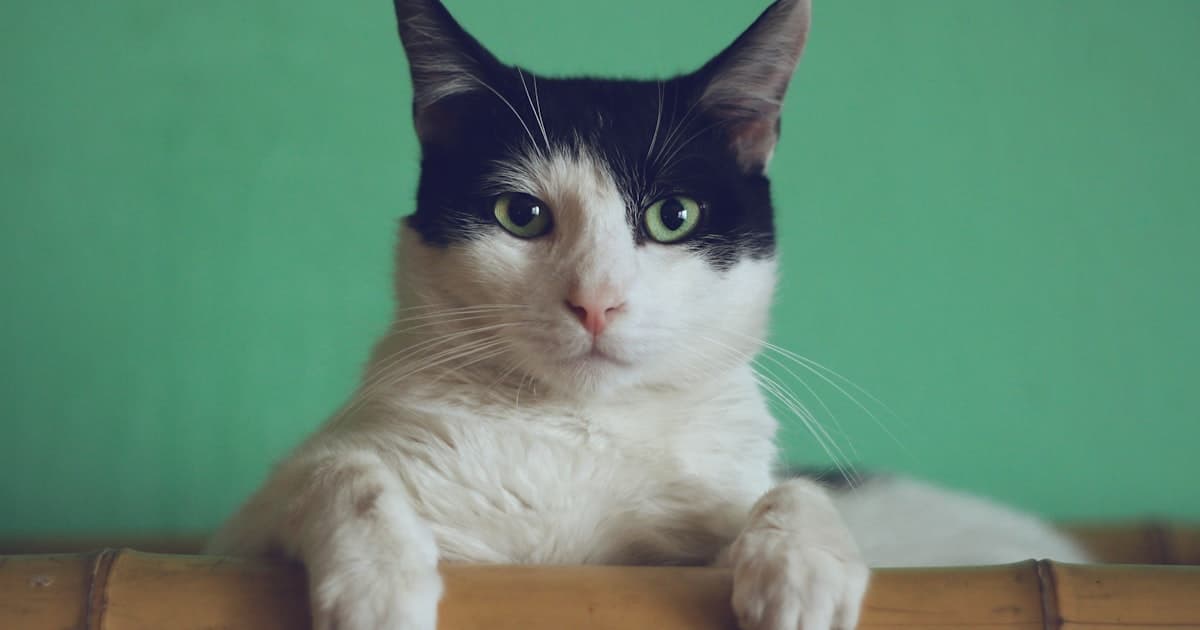
 A well-prepared boarding setup with familiar items helps cats settle in faster
Understanding NZ Boarding Requirements First
Before you start packing treats and toys, let's sort out the paperwork. All boarding establishments in New Zealand must comply with the Code of Welfare: Temporary Housing of Companion Animals 2018, which sets minimum standards for cat care.
Vaccination Requirements
According to the Ministry for Primary Industries, cats entering temporary housing facilities need:
- FVRCP vaccine (protects against Feline Viral Rhinotracheitis, Calicivirus, and Panleukopenia)
- Rabies vaccination (required by most facilities)
- Vaccination certificate must be current, ideally administered at least 7 days before boarding
Most catteries won't accept cats without proper documentation – and for good reason. Boarding environments mean multiple cats in close proximity, making vaccination particularly important for preventing cat flu and other contagious diseases.
Pro tip: Call ahead to confirm your cattery's specific vaccination requirements. Some facilities have additional requirements, especially in outbreak-prone areas.
Health Checks
Alongside vaccinations, expect catteries to require:
- Current flea and worm treatment (many ask for written proof)
- Up-to-date health status from your vet
- Disclosure of any medical conditions or behavioral quirks
The SPCA recommends visiting any facility before booking and ensuring they maintain proper health protocols.
The Complete Packing List
Now for the fun part – what actually goes in the bag. I've organized this by priority, starting with absolute must-haves.
Must Pack: The Non-Negotiables
1. Your Cat's Regular Food
This is huge. Switching food suddenly can cause digestive upset – exactly what you don't want when your cat's already dealing with a new environment.
Pack enough for the full stay, measured out into individual servings. According to boarding experts at Cats in the City, pre-packaging meals in sandwich bags helps staff track eating habits and prevents spills.
Add a few extra days' worth just in case your return gets delayed. Better to have leftovers than risk your cat being switched to unfamiliar food.
2. Medications in Original Containers
All medication needs to arrive in its original packaging with your cat's name, dosage, and clear instructions visible. Include both:
- Written dosing schedule (times, amounts, method)
- Contact details for your vet in case staff have questions
- A few extra doses as backup
If your cat takes multiple medications, write out exactly when each one gets administered. Don't assume staff will figure it out.
3. Comfort Items from Home
Here's where you can really help your cat settle. The familiar smells of home work wonders for anxious cats.
Bring one or two items like:
- A worn t-shirt or small blanket with your scent – this is genuinely helpful, not just sentimental
- Favorite toy – but make it washable and non-valuable in case it goes missing
- Their regular bed – if the cattery allows (check first, as some provide their own bedding)
Purina New Zealand notes that items carrying your scent can significantly reduce separation anxiety.

Strongly Recommended
4. Favorite Treats
A few of your cat's preferred treats give staff a way to bond with your cat and can help encourage eating if your cat's feeling stressed.
Pack these in a labeled container with notes on:
- How many treats per day
- When to offer them (mealtimes? as rewards?)
- Any treats to avoid (if your cat has allergies)
5. Detailed Care Instructions
Don't rely on memory when you drop off. Write everything down:
- Feeding schedule and portion sizes
- Medication timing
- Behavioral quirks ("hides when scared", "loves being brushed")
- Special handling needs
- Emergency contact numbers
Think of it as leaving instructions for a pet sitter – the more detail, the better care your cat gets.
6. Your Vet's Contact Information
Include:
- Clinic name, phone number, and after-hours contact
- Any recent health issues or treatments
- Permission for emergency treatment if you're unreachable
Optional But Nice to Have
Scratching Post or Pad
If your cat's particular about their scratching surface, bring their favorite – just ensure there are no protruding nails or screws that could pose a safety risk.
Special Bowl
Some cats are fussy about eating from unfamiliar bowls. If yours is one of them, pack their regular dishes. Label them clearly with your cat's name.
Familiar Litter
A few catteries allow you to bring your cat's regular litter to reduce stress during the transition. Check with your facility first.
What NOT to Pack
Just as important as what to bring is what to leave at home:
Valuable or irreplaceable items – things can get lost in boarding facilities. Don't pack that $50 designer cat toy.
Opened food bags – portion out food into sealed containers instead. Open bags can spill, attract pests, or get contaminated.
Too many toys – one or two favorites are plenty. A pile of toys just creates clutter.
Fragile decorative items – this isn't home. Stick to practical, durable items.
Unapproved litter or food – always check what the facility allows before packing alternatives to their standard offerings.
Special Considerations for Different Cat Types
Kittens (Under 1 Year)
Young cats need extra attention to routine. Make sure you pack:
- Growth formula food (kittens eat more frequently)
- Proof of vaccinations (kittens may still be completing their vaccine series)
- Extra comfort items (kittens often struggle more with separation)
Senior Cats (7+ Years)
Older cats benefit from:
- Detailed medical history, especially for chronic conditions
- Extra medication backup (seniors are more likely to be on daily meds)
- Soft bedding (joint comfort matters more as cats age)
- Clear instructions for any mobility issues
Cats with Medical Conditions
If your cat has diabetes, kidney disease, or other ongoing conditions:
- Bring detailed care plans from your vet
- Pack well beyond the minimum medication needed
- Provide cattery staff with symptoms to watch for
- Leave multiple contact methods for reaching you

Packing Tips from the Pros
After researching what top catteries and veterinary experts recommend, here are the insider tips:
Use a labeled system: Pack everything in clear containers or bags labeled with your cat's name and contents. It helps staff, and you'll know exactly what came home with your cat.
Create a packing list: Write down everything you've packed. Check it when you drop off and again when you pick up. Things do occasionally go missing.
Photograph medications: Take photos of medication labels so you have a backup reference if questions come up during the stay.
Pack in stages: Don't wait until the morning you leave. Pack 2-3 days ahead so you can add things you've forgotten.
Communicate changes: If your cat's diet or routine has recently changed, mention it. What works at home might not translate to boarding without context.
The Day Before Drop-Off Checklist
- Verify vaccination certificates are current and photocopied
- Pack food into individual meal portions
- Fill out detailed care instruction sheet
- Check all medications are in original containers
- Pack comfort items in labeled bag
- Call cattery to confirm drop-off time
- Add emergency contact numbers to instruction sheet
- Take photos of all medications and important documents
Common Mistakes to Avoid
Assuming the cattery provides everything – always confirm what's provided versus what you need to bring.
Forgetting backup medication – plans change. Pack at least 2-3 extra doses of any essential medication.
Packing too much – your cat's getting a studio apartment, not a three-bedroom house. Keep it simple.
Not labeling items – in a facility with dozens of cats, unlabeled items will get mixed up or lost.
Leaving instructions vague – "feed twice daily" isn't enough. Specify times, amounts, and what "normal" eating looks like for your cat.
Waiting until last minute – pack early so you can make a second pass and catch what you've forgotten.
FAQ
How much food should I pack for cat boarding?
Pack enough of your cat's regular food for the full stay, portioned into individual meals, plus 2-3 extra days' worth as backup. For a week-long stay, that means about 10 days of food portioned and labeled.
Do I need to bring my cat's litter box?
Most catteries provide litter boxes and litter as standard. However, some facilities allow you to bring your cat's regular litter if they're particular about type. Check with your cattery first – many have specific litter they use for consistency and cleanliness.
Can I bring my cat's favorite bed?
Yes, most catteries welcome familiar bedding from home, though some provide their own for hygiene reasons. Choose washable items and don't bring anything you'd be devastated to lose. Always check your facility's policy first.
What if my cat needs special dietary food?
Absolutely bring it! Never switch a cat's prescription or special diet food just for boarding. According to veterinary guidance, sudden diet changes can cause digestive upset, especially in cats with medical conditions. Pack the full amount needed plus extras.
How far in advance can I drop off items?
Most catteries prefer you bring everything on drop-off day, but some allow advance drop-offs for medication that needs refrigeration or large food quantities. Call your facility to ask about their policy.
Should I wash my cat's comfort items before packing?
No! The whole point of bringing familiar items is the familiar smell. Your scent on a blanket or t-shirt provides comfort. Freshly laundered items defeat that purpose.
What happens if I forget something essential?
Contact the cattery immediately. Most facilities can purchase basic items like food (though at a premium), but they'll need clear instructions on brand and type. For medications, you may need to arrange delivery or have someone drop items off.
Do I need travel insurance documents?
Standard cat boarding doesn't require travel insurance. However, if you're using the cattery as part of an overseas trip and your travel insurance covers pet boarding, bring those documents to submit for reimbursement later.
Summary: Your Cat Boarding Packing Checklist
Essential (Must Pack):
- Vaccination certificate (FVRCP, rabies)
- Regular food (full stay + extras, portioned)
- Medications (original containers, clear instructions)
- Flea treatment proof
Highly Recommended:
- Comfort item with your scent
- Favorite treats
- Detailed care instruction sheet
- Vet contact information
Optional:
- Favorite toy (washable, non-valuable)
- Special bowl (if cat is particular)
- Scratching post
- Regular litter (if cattery allows)
Remember: Different catteries have different policies. Always call ahead to confirm exactly what your facility requires, allows, and provides. The goal is making your cat comfortable while keeping preparation practical.
Looking for a trusted cattery in your area? Search verified catteries across New Zealand with detailed information on what each facility provides and requires.
Sources
- Code of Welfare: Temporary Housing of Companion Animals 2018 - Ministry for Primary Industries
- Code of Welfare: Companion Cats - Ministry for Primary Industries
- Boarding Establishments Position Statement - SPCA New Zealand
- How to Pack for a Successful Cat Boarding Stay - Cats in the City
- Cat Travel Checklist - Purina New Zealand
- Cat Vaccination & Health Care - Purina New Zealand