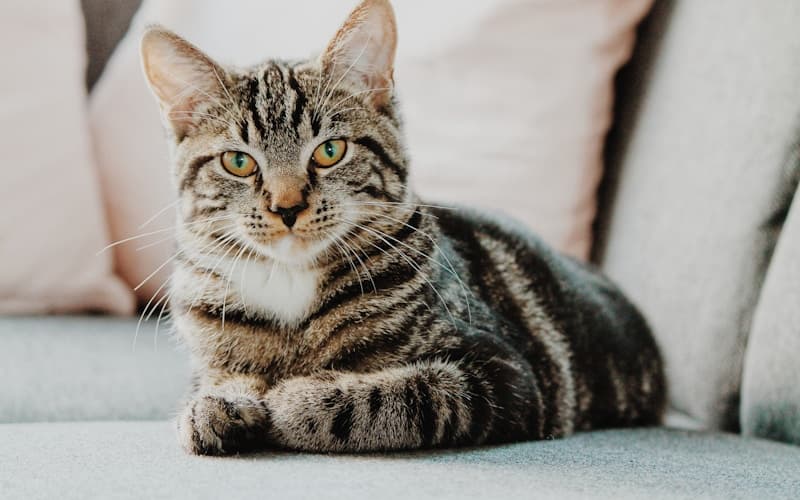
You pick up your cat from boarding, bring her home, and within 6 hours notice the dreaded signs: she's avoiding the litter box. Peeing next to it. On the bathroom mat. Behind the couch. Your perfectly litter-trained cat has suddenly "forgotten" how to use her box.
Before you panic and think boarding has permanently broken your cat, here's the reality: post-boarding litter box refusal is one of the most common behavioral issues cat owners encounter after boarding—and in 90% of cases, it resolves within 72 hours without intervention.
But that doesn't mean you should ignore it. Litter box refusal can signal genuine medical issues triggered by boarding stress, or it can escalate into learned behavior if not addressed properly. The key is knowing the difference between "needs time to re-adjust" and "needs a vet appointment immediately."
This guide explains exactly why cats refuse litter boxes after boarding, how to tell if it's behavioral or medical, what the normal timeline looks like, and the step-by-step protocol to get your cat back to consistent litter box use.
Why Cats Refuse Litter Boxes After Boarding
Post-boarding litter box issues aren't random. They're predictable responses to specific stressors. Here's what's actually happening:
1. Territorial Re-Marking Behavior
What's happening: Your cat spent days in a cattery surrounded by the scent of other cats. Even if they never saw another cat, they smelled them—in the air, on staff members' hands, through ventilation.
When they return home, their territory smells "contaminated" with foreign cat scent (from the carrier, their own fur). Cats can be stressed by events that their owners may not think of as traumatic, including changes in things that even indirectly affect the cat.
The behavioral response: Territorial marking through urination or defecation outside the litter box. This isn't "spite"—it's an instinctive attempt to re-establish territory by layering their scent over the "contaminated" space.
What it looks like:
- Small amounts of urine in multiple locations (not full bladder voids)
- Targeting high-traffic areas, furniture, your belongings
- Often standing/squatting normally (not straining)
- May still use litter box occasionally
Timeline: Usually resolves within 24-72 hours as cat re-establishes territorial security
2. Litter Substrate Aversion
What's happening: Your cat used a different litter type at the cattery (clumping clay vs. crystal vs. pine pellets). After a week of that substrate, they've temporarily "reset" their litter preference.
The behavioral response: Approaching the litter box, sniffing, pawing hesitantly, then walking away to eliminate elsewhere. They genuinely don't recognize your home litter as an appropriate bathroom surface anymore.
What it looks like:
- Cat enters box, paws at litter, leaves without using it
- Eliminates on smooth surfaces (tile, bathtub) or soft surfaces (rugs, bedding)
- Not showing signs of pain or straining
- Otherwise acting normal
Timeline: 12-48 hours once you address the substrate issue
3. Litter Box Location Confusion
What's happening: At the cattery, the litter box was in a specific location relative to food/water/sleeping areas. Your home setup is different. After days of the cattery layout, they need time to "remap" where the bathroom is in their home territory.
The behavioral response: Eliminating in areas that correspond to where the litter box was at the cattery relative to their sleeping/eating zones.
What it looks like:
- Consistently eliminating in one or two specific locations
- Locations may be in the same directional relationship to their bed as the cattery box was
- No signs of distress, straining, or pain
- Normal eating, drinking, playing
Timeline: 24-48 hours as they re-orient to home layout
4. Stress-Induced Medical Issues
What's happening: Stress can trigger or worsen feline lower urinary tract disease (FLUTD), including:
- Idiopathic cystitis (bladder inflammation with no infection)
- Urinary tract infection (UTI) (bacterial infection)
- Urinary crystals/stones (stress can trigger formation)
- Urethral blockage (life-threatening, especially in males)
The medical response: Genuine inability to urinate normally due to pain, inflammation, blockage, or infection.
What it looks like:
- Straining in the box with little to no urine output
- Crying out or vocalizing when attempting to urinate
- Blood in urine (pink-tinged litter, red spots)
- Frequent trips to the box (every 10-30 minutes)
- Licking genitals excessively
- Lethargy, vomiting, loss of appetite
- Hiding or avoiding interaction
Timeline: Requires veterinary intervention—does NOT resolve on its own
CRITICAL WARNING: For male cats, urethral blockage can be fatal to wait even a few hours. If your male cat is straining with no urine output, this is a life-threatening emergency.
5. Routine Disruption and Anxiety
Boarding disrupted their entire routine. Coming home represents another major change. Anxiety-driven litter box refusal is a stress response, not a training issue.
The behavioral response: Avoidance of litter box due to generalized anxiety—box becomes associated with the stressful period.
What it looks like:
- Hiding more than usual
- Reduced appetite
- Eliminating in hidden, "safe" locations (closets, under beds)
- Hypervigilance, startling easily
- May also refuse food or water initially
Timeline: 48-96 hours with anxiety reduction interventions
Is It Behavioral or Medical? The Diagnosis Flowchart
Use this decision tree to determine if you need a vet appointment or can manage at home:
🚨 IMMEDIATE VET EMERGENCY (within 2-4 hours)
ANY of these signs = emergency vet visit:
- Male cat straining with NO urine output for 4+ hours
- Crying out in pain when trying to urinate
- Bloody urine (visible red/pink)
- Vomiting + litter box refusal
- Lethargic, unresponsive, hiding and won't come out
- Straining every 10-20 minutes with tiny amounts or nothing
- Swollen, painful abdomen
Why urgent: Urethral blockage in males can cause death within 24-48 hours. For male cats, it can be fatal to wait even a few hours.
⚠️ VET APPOINTMENT (within 24-48 hours)
Schedule vet visit if you see:
- Frequent urination (every 30-60 min) with small amounts
- Licking genitals constantly
- Straining but producing some urine
- Pink-tinged litter (possible blood)
- Strong ammonia smell to urine (more than normal)
- Loss of appetite for 24+ hours
- Refuses water
- Female cat showing straining/frequent attempts
Why important: Urinary tract infections and FLUTD require diagnosis and treatment. Early intervention prevents complications.
✅ MONITOR AT HOME (behavioral, likely resolves 24-72 hours)
Okay to monitor if:
- Cat is urinating normal amounts, just not in the box
- No signs of pain, straining, or distress
- Eating, drinking, and acting relatively normal
- Only been home 12-24 hours since boarding
- Using the bathroom in consistent locations (not random)
- No blood, excessive frequency, or vocalization
Action plan: Follow behavioral interventions below, monitor for 48-72 hours. If no improvement or any medical signs emerge, see vet.
The 72-Hour Recovery Protocol (For Behavioral Issues)
If you've ruled out medical emergencies, here's the step-by-step protocol to resolve post-boarding litter box refusal:
Hours 0-6: Immediate Re-Entry Setup
When you bring cat home from boarding:
✅ Isolate to one room initially
- Choose bathroom or bedroom with litter box already set up
- Include food/water, hiding spot, familiar bedding
- This reduces territorial overwhelm and makes litter box easy to find
✅ Clean carrier and cat thoroughly (if needed)
- Wipe carrier with enzyme cleaner to remove cattery scents
- If cat will tolerate it, wipe paws/fur with damp cloth (reduces foreign scent)
- Don't bathe unless absolutely necessary (adds more stress)
✅ Use familiar litter in familiar box
- Don't change litter type or brand right now
- Scoop box immediately before cat arrives home (fresh = inviting)
- If you suspect substrate aversion, place second box with different litter type nearby
✅ Apply Feliway diffuser
- Plug in synthetic pheromone diffuser in the room cat is confined to
- Helps reduce anxiety-driven behaviors
✅ Don't punish any accidents
- Clean accidents immediately with enzyme cleaner (Nature's Miracle, Simple Solution)
- Never scold, yell, or "show them" the accident—this increases stress
Hours 6-24: Monitoring and Adaptation
✅ Watch for medical signs Check hourly for:
- Is cat urinating at all? (in box or outside)
- How much? (puddles = normal volume; tiny spots = concern)
- Any straining, crying, or distress?
- Normal eating and drinking?
✅ Gradually expand territory
- If using litter box successfully in isolation room, open door to one additional room after 12 hours
- Add second litter box in new area if possible
- Don't rush full house access
✅ Maintain routine
- Feed at usual times
- Play/interaction at usual times
- Consistency reduces stress
✅ Address accidents calmly
- Clean with enzyme cleaner immediately
- Block access to favorite accident spots if possible (close doors, put aluminum foil down temporarily)
Hours 24-48: Re-Establishing Patterns
✅ Assess improvement
- Is cat using litter box at least 50% of the time?
- Are accidents decreasing in frequency?
- Is cat eating/drinking/behaving normally otherwise?
If improving: Continue current protocol, gradually expand access to more rooms
If not improving: Consider these adjustments:
Add more litter boxes (rule: one per cat + one)
- Place in areas where cat is having accidents
- Use different litter types in each to test preferences
Try litter attractants
- Dr. Elsey's Cat Attract additive
- Sprinkle small amount in existing litter
Reduce litter depth
- Some cats prefer shallow litter (1-2 inches vs. 3-4 inches)
- Experiment with different depths in different boxes
Change box location
- Move one box to where cat is consistently eliminating
- Place in quiet, low-traffic, easily accessible location
Consider anxiety medication (consult vet)
- Short-term gabapentin or anti-anxiety medication can help
- Especially useful if cat is showing other stress behaviors
Hours 48-72: Decision Point
By 72 hours, you should see:
- Consistent litter box use (90%+ of eliminations)
- Reduced anxiety behaviors
- Normal eating, drinking, playing
- No accidents for 12-24+ hours
If not improved by 72 hours:
- Schedule vet appointment (rule out medical even if no obvious signs)
- Consider environmental stressors (new pets, construction, changes in household)
- May need veterinary behaviorist consultation for anxiety medication
Prevention Strategies for Next Boarding
Once you've resolved the current issue, prevent it next time:
Before Boarding
✅ Litter substrate matching
- Ask cattery what litter brand/type they use
- Start mixing small amounts into home litter 2 weeks before boarding
- Cat recognizes both substrates as appropriate = smoother transition
✅ Familiarization visit
- Many catteries offer pre-boarding visits
- Cat experiences the space, smells, litter setup before actual boarding
- Reduces novelty stress
✅ Anxiety medication (if needed)
- Discuss with vet whether short-term anti-anxiety meds during boarding would help
- Especially useful for cats who had issues during previous boarding
At Pick-Up
✅ Ask about litter box behavior during stay
- Did cat use box normally?
- Any hesitation, accidents, or concerns?
- What litter type did they use?
This information helps you anticipate potential issues at home.
Returning Home
✅ Plan for gradual re-introduction
- Block off time day of pick-up to supervise
- Don't leave for work immediately after bringing cat home
- Be available to monitor first 6-12 hours
✅ Have supplies ready
- Enzyme cleaner
- Feliway diffuser
- Extra litter boxes set up
- Familiar bedding in multiple locations
✅ Temporary confinement setup
- One room prepared with litter/food/water/bed ready to go
- Cat goes straight to this room, not full house access immediately
When It's Not Resolving: Next Steps
If litter box issues persist beyond 7-10 days despite behavioral interventions:
Medical Workup
Schedule full urinary panel:
- Urinalysis (check for infection, crystals, blood)
- Urine culture (identify specific bacteria if UTI)
- Bloodwork (kidney function, overall health)
- Imaging if needed (X-ray or ultrasound to check for stones)
Most cats will fully recover within 7-10 days of developing a urinary tract infection with proper treatment.
Behavioral Consultation
Consider veterinary behaviorist if:
- All medical issues ruled out
- Litter box refusal continues 2+ weeks
- Cat shows other anxiety behaviors (hiding, aggression, overgrooming)
- Previous boarding caused same issue
Treatment may include:
- Environmental enrichment protocols
- Anxiety medication (fluoxetine, gabapentin)
- Pheromone therapy
- Structured desensitization program
Environmental Modifications
Long-term changes that help:
- Creating a calm environment, providing enough litter boxes, and using pheromone diffusers can help reduce stress-related urinary issues
- Multiple litter box locations (one per floor minimum)
- Quiet, private box locations away from food/water
- Large, uncovered boxes (many cats prefer these)
- Daily scooping, full litter changes weekly
Common Mistakes That Make It Worse
Don't do these:
❌ Punishing the cat Most cases of litter box avoidance are stress-related; punishment only increases the stress (for you and your kitty) and makes it harder to identify the real cause.
❌ Confining to carrier or bathroom as punishment This creates negative associations with confinement and can worsen anxiety.
❌ Changing litter type immediately If substrate aversion is the issue, add a second box with different litter—don't replace entirely yet.
❌ Using ammonia-based cleaners Ammonia smells like urine to cats and actually encourages re-soiling the same spot.
❌ Waiting "to see if it gets better" with medical signs Straining, blood, frequent attempts, or pain require immediate vet care.
❌ Assuming it's "behavioral" without vet check Stress or anxiety can make episodes worse and can increase the risk and severity of feline idiopathic cystitis. Always rule out medical first.
The Bottom Line
Post-boarding litter box refusal is common, usually temporary, and highly fixable—but only if you respond appropriately.
The key distinctions:
Medical = immediate action required
- Straining with no output (male cats especially)
- Blood, pain, frequent attempts
- Lethargy, vomiting, appetite loss
- Timeline: Emergency vet within hours
Behavioral = monitor and support
- Normal urination, just not in box
- No pain or straining
- Acting relatively normal otherwise
- Timeline: Usually resolves within 72 hours
When in doubt, call your vet. It's always better to check and be told "it's behavioral, give it 48 hours" than to delay treatment for a medical issue.
Most cats return to perfect litter box habits within 3 days of coming home from boarding. Yours will too—with the right support and understanding of what they're experiencing.
Your cat isn't being spiteful or "getting back at you" for boarding them. They're processing stress, re-establishing territory, and readjusting to home. Give them time, consistency, and patience.
And next time you board, you'll know exactly how to prevent and manage any litter box hiccups.
Related Reading
- What to Expect When Your Cat Comes Home From Boarding
- Is Your Cat Ready for Boarding? Cattery Readiness Checklist
- Preparing Your Cat for a Cattery Stay
- First Time Boarding Your Cat in NZ
Sources:
- Litter Box Problems | ASPCA
- Cat Not Using Litter Box | Best Friends Animal Society
- Cat Won't Use the Litter Box: Troubleshooting Litter Box Problems
- Feline lower urinary tract disease (FLUTD) | American Veterinary Medical Association
- Feline Lower Urinary Tract Disease (FLUTD) | PetMD
- Emergency Cat UTI Treatment | Urgent Signs & Next Steps
- Cat UTI Treatment: Symptoms, Care & Recovery | Petfolk
- Cat Urinary Tract Problems and Infections | WebMD
- Cat Urinary Tract Infection - Symptoms, Treatment & Recovery